Morocco Champions Food Sovereignty Through Innovation and Youth Engagement
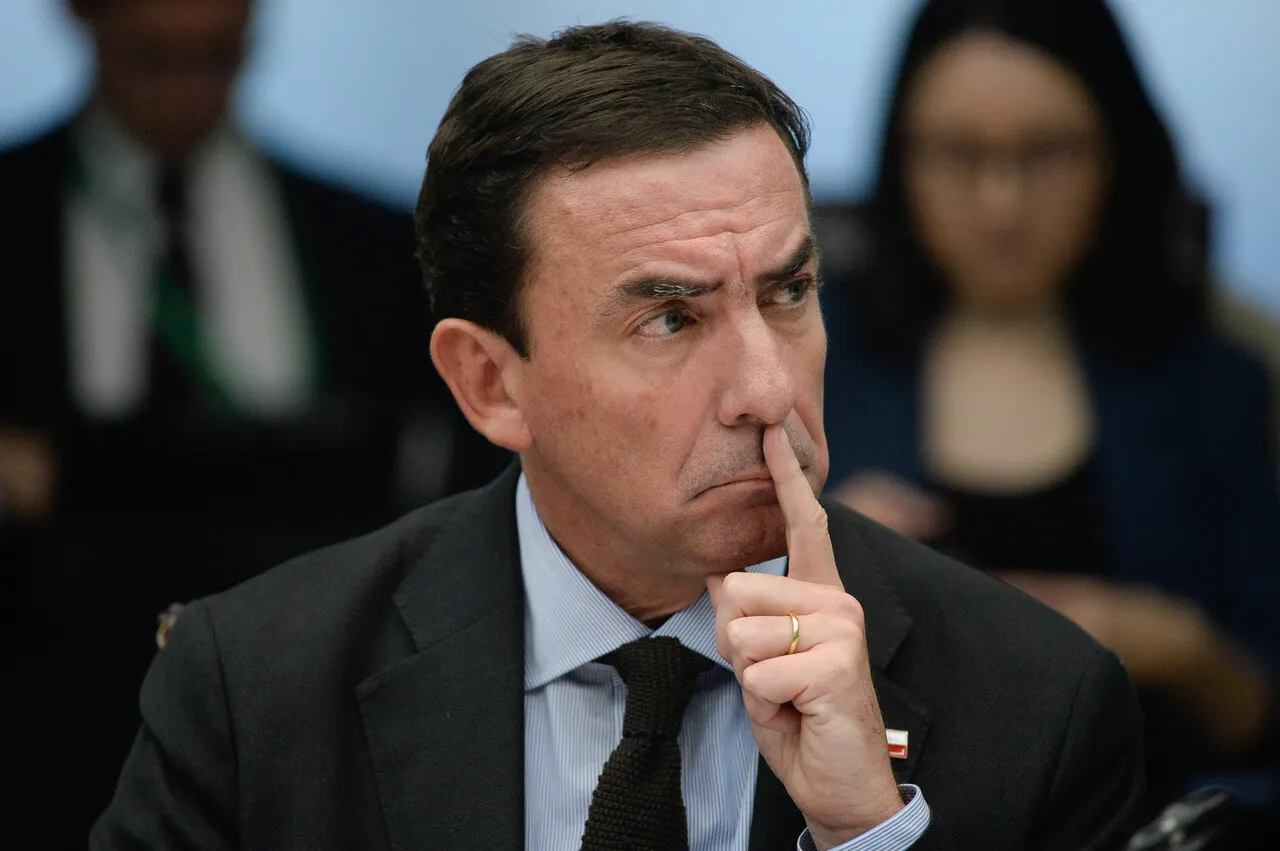
On October 27, 2026, Khalid Hatimi, the Minister of Agriculture, Fisheries, and Food Sovereignty, delivered a compelling address in Rabat, highlighting the essential role that youth innovation plays in securing Morocco's food future. This significant announcement was made during the celebrations for World Food Day, organized by the ministry in collaboration with the Food and Agriculture Organization (FAO) at the Hassan II Institute of Agronomy and Veterinary Medicine. Hatimi stated that today’s innovations, particularly from the younger generation, whether in technology, science, or traditional knowledge, are pivotal to achieving the Kingdom's food sovereignty.
Hatimi stressed that ensuring future food security starts with proactive measures taken today. He urged for a unified approach that combines science, technology, and local knowledge to develop sustainable food systems. According to him, food sovereignty is fundamentally about guaranteeing food availability for the population through a robust, resilient, and sustainable national agriculture sector. This includes safeguarding water resources, preserving the genetic heritage of seeds, supporting farmers, and enhancing the value of national production.
“Investing in our food sovereignty is investing in the dignity of our citizens, the vitality of our territories, and our freedom to determine our future,” he asserted. Morocco is placing innovation at the heart of its agricultural and food systems, particularly through the Green Generation Strategy 2020-2030, which aims for a transition towards innovative and environmentally efficient agriculture.
In this context, the minister highlighted various initiatives such as the widespread adoption of localized irrigation, the expansion of conservation agriculture and direct seeding, the cultivation of more resilient crop varieties, and the use of drones and aerial imaging for farm management. Furthermore, he announced the establishment of a national center for genetic resources, emphasizing the need for innovative initiatives in response to climate change and water scarcity. Hatimi called for increased funding, enhanced international cooperation, and the integration of science and local knowledge to foster sustainable food systems.
Alexander Anne Tai Hoineh, the FAO representative in Morocco, praised the strong partnership with the Kingdom, noting that World Food Day serves as a reminder to mobilize around food security, nutritional quality, and the transformation of agricultural systems towards sustainability. He acknowledged that innovation has its greatest impact when it reaches the most vulnerable populations, particularly small farmers and rural communities who often lack access to knowledge, technologies, and investments.
Moreover, Hoineh dedicated part of his speech to youth, urging that they should be empowered to be actors, decision-makers, and innovators today, rather than just beneficiaries. He referenced initiatives like the “Youth of Morocco” branch of the Global Forum on Food and the “Agricultural Accelerator” program, along with women’s cooperatives supported by the FAO, showcasing the dynamism and innovative spirit of Moroccan youth.
The UN official reiterated that innovation extends beyond technology to include new practices, economic models, and organizational forms. He highlighted Morocco's three recognized sites within the global agricultural heritage systems, where local communities have maintained a delicate balance between land, water, and biodiversity for centuries, alongside a network of Moroccan startups that are bringing digital and scientific innovations to farms.
Hoineh concluded that harmonizing these two facets could yield exceptional results for Morocco, especially in the context of South-South cooperation. Following the event, which brought together representatives from the agricultural sector, public institutions, national and international partners, as well as research and training organizations, a scientific seminar was held focusing on the sustainable development of agricultural and food systems. Presentations covered topics such as genetic resource conservation, livestock sustainability, market digitization, digital agricultural consulting, training young generations, and enhancing Moroccan agricultural heritage.
The meeting also featured the presentation of awards to various partner sectors and institutions, including the fisheries sector, agriculture, the General Directorate of Water Engineering at the Ministry of Equipment, Water, and Forests, the Sustainable Development Sector at the Ministry of Energy Transition and Sustainable Development, the National Agency for Water and Forests, and the High Commission for Planning. Additionally, the INRA-IDRC innovation platform, which is involved in the dissemination of new wheat varieties developed by the National Institute of Agricultural Research, as well as the “Ain Bilal” local development association, were also recognized for their contributions.
As reported by maroc.ma.