Female Representation in Morocco's Parliament: A Step Forward
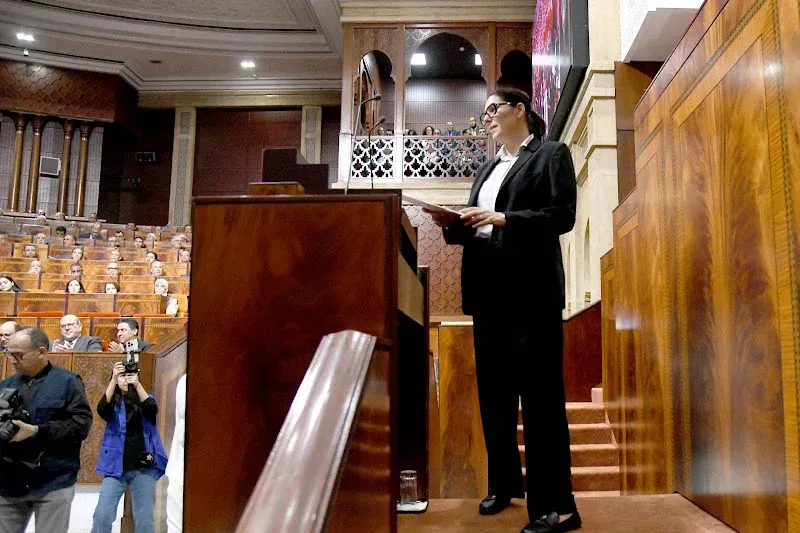
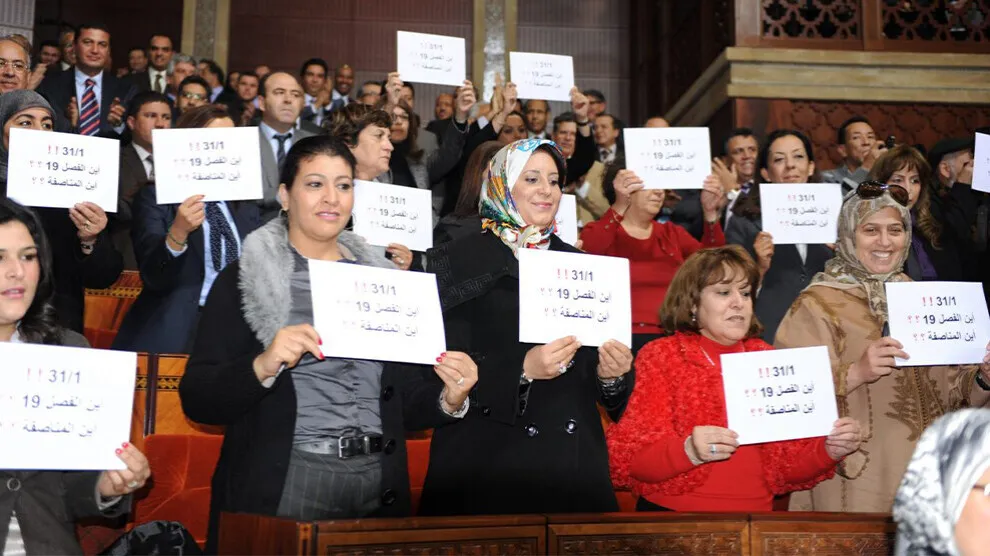
In the wake of the Moroccan legislative elections held on September 23, 2026, the number of women in the House of Representatives has seen a noteworthy increase, rising to 107 female representatives out of a total of 395. This marks an improvement from the previous elections in 2021, where there were only 96 women in positions of power, resulting in a representation rate that climbed from approximately 24.3 percent to 27.1 percent. While this numerical growth is commendable, it prompts a deeper examination of whether such advances translate into genuine access to the legislative process and equal opportunities for women in electoral competition. The question remains: does this increase signify real progress, or does it merely highlight ongoing social and political challenges that continue to hinder women's full participation in Morocco's political landscape?
Barriers to Equal Participation and the Impact of Digital Violence
Despite the encouraging statistics, significant disparities persist in women's access to political positions. Data reveals that among the 107 women elected, 90 were successful in regional electoral districts, while only 17 won seats in local districts, a stark contrast to the six women who achieved success in local districts during the 2021 elections. Furthermore, the number of women heading local lists stands at a mere 121 out of 1,615 total lists, accounting for approximately 7.5 percent. Such figures underscore the necessity for a critical examination of the resources and support available to female candidates, especially given the importance of party endorsements in securing positions of influence.
Kalthoum Mustaqim, a prominent political and human rights activist, emphasizes that the focus should extend beyond mere numbers to encompass the effectiveness and intentions of the women elected. She argues for the need to elect women who can genuinely advocate for the interests of the populace, combat corruption, and address pressing social issues such as poverty and marginalization. Mustaqim raises a critical question: "Which woman do we want?" underscoring that achieving numerical representation is not the ultimate goal; rather, it is essential that elected women translate their presence into meaningful policies that resonate with the needs and expectations of their constituents.
Moreover, the influence of financial resources in the electoral process has emerged as a significant barrier to achieving equality in political representation. Mustaqim points out that the prevalence of monetary influence can undermine the competitiveness of female candidates, thus inhibiting their ability to ascend to leadership positions. In addition, the disturbing rise in digital violence against women in politics has been labeled a "silent epidemic" that compromises not only the dignity of these candidates but also their willingness to engage in political life. To combat this issue, she advocates for a coordinated response from associations and political parties, along with educational institutions, to raise awareness about the dangers of digital violence and work towards fostering a safer environment for women's political participation.
Zahra Al-Shakir, an associative actor, echoes these sentiments, acknowledging the remarkable progress in women's representation despite the formidable social pressures and obstacles they face in Morocco's conservative society. She notes that the achievements thus far are the result of determined efforts to overcome challenges that have historically hindered women's engagement in politics. Nevertheless, Al-Shakir cautions that while the increase in female representatives is noteworthy, it does not yet fulfill the aspirations for a robust and effective presence of women within the Parliament. She emphasizes that ongoing efforts are necessary to further enhance women's participation and ensure they have ample opportunities to access elected institutions.
In conclusion, both activists express optimism for the future, hoping that the upcoming electoral opportunities will yield even greater advancements for women in politics, allowing Moroccan women to establish a presence that serves as a model for others, both nationally and internationally. However, achieving this vision requires a commitment to addressing the barriers that still exist, ensuring that women's voices are not only heard but also valued in the legislative process.
As reported by jinhaagency.com.