The Historic Appointment of Fatima Zohra Al Mansouri
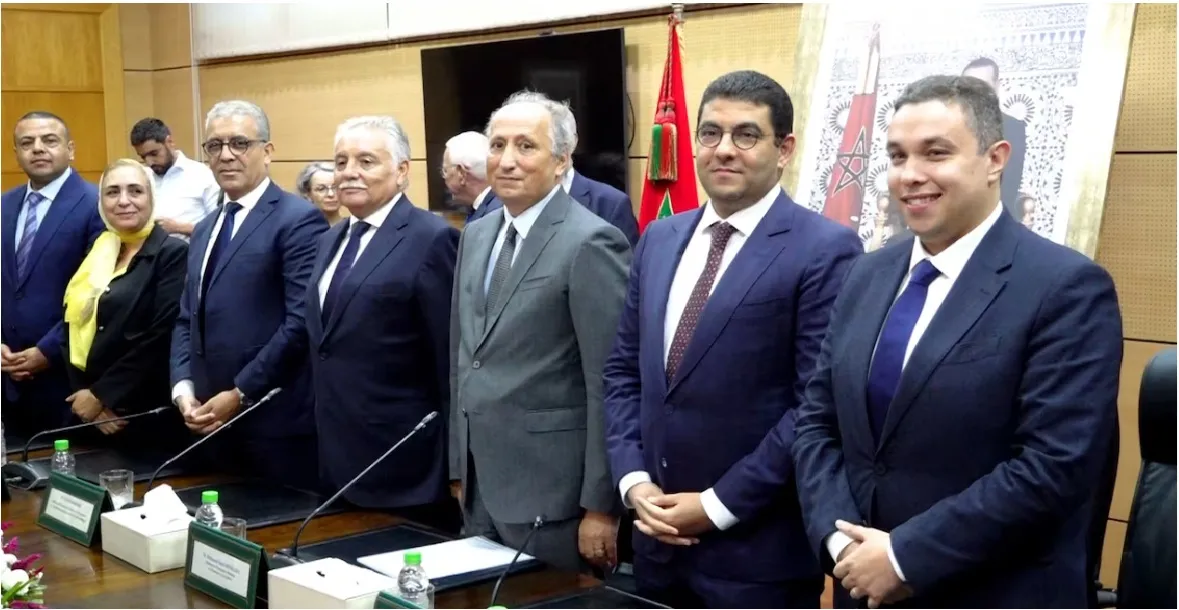
On October 16, 2023, Morocco witnessed a significant milestone in its political landscape as King Mohammed VI appointed Fatima Zohra Al Mansouri as the Prime Minister. This appointment marks the first time in Moroccan history that a woman has assumed leadership of the government, a moment that has garnered extensive coverage in international media. However, the true implications of this appointment extend beyond its historic nature, as Al Mansouri comes from the Authenticity and Modernity Party (PAM), which emerged victorious in the recent parliamentary elections held in September.
PAM, established in 2008, was created in response to the burgeoning influence of political Islam in Morocco, particularly the Justice and Development Party (PJD). Over the years, the party has evolved, attempting to shed the stigma of its origins associated with the Makhzen, a term used to describe the Moroccan establishment. Despite facing setbacks in previous elections, PAM has managed to position itself as a formidable political force, especially after securing the most seats in the latest elections, albeit amid a disconcertingly low voter turnout of 62%. This backdrop presents a complex scenario for the new government, which is predominantly comprised of members from PAM and its coalition partners.
Ambitious Goals Amidst Economic Challenges
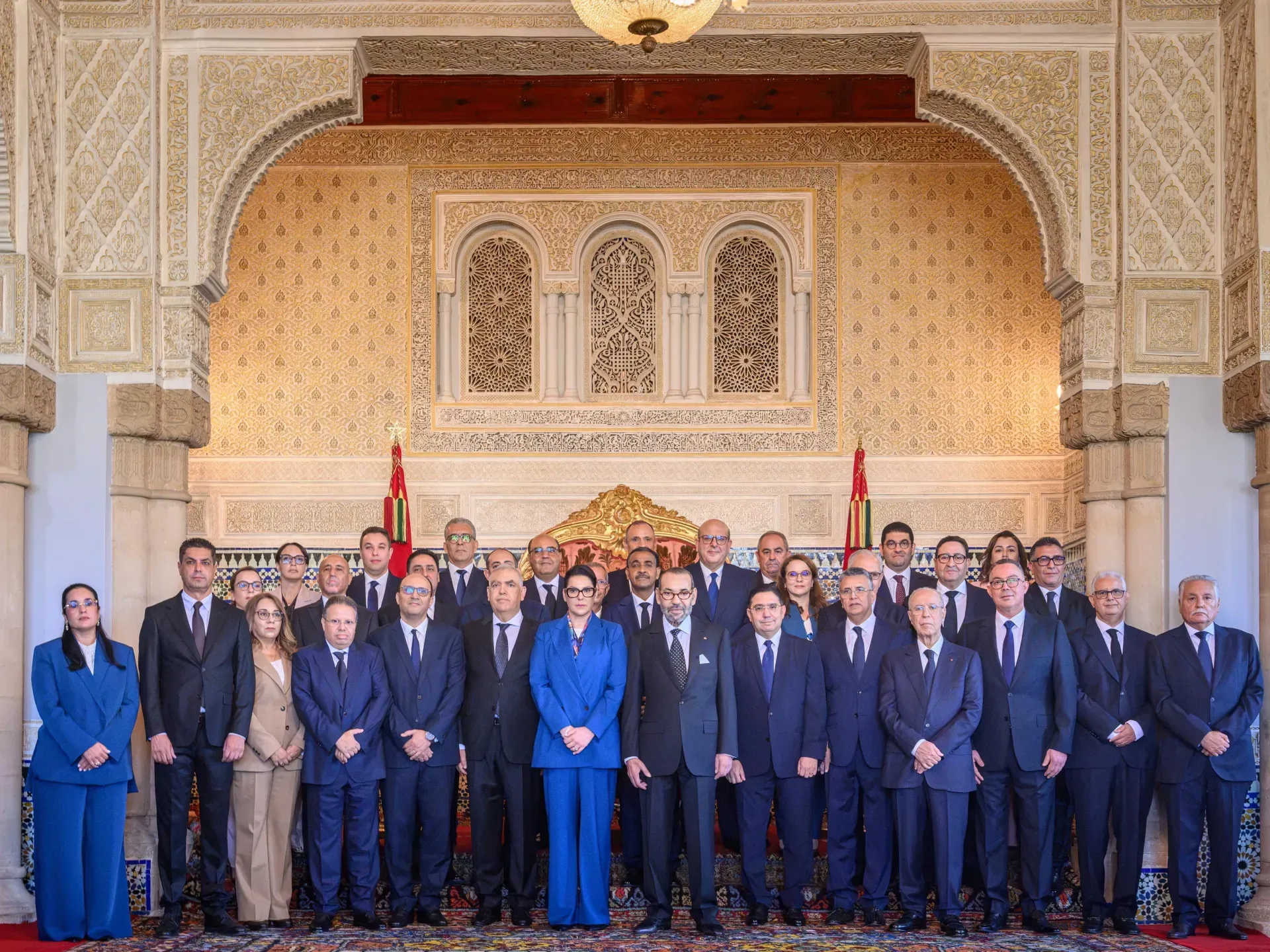
As the newly formed government convened for its first Council of Ministers meeting on October 17, it unveiled an ambitious agenda aimed at addressing pressing domestic issues, particularly the escalating cost of living and the need for enhanced social welfare. A Finance Bill targeting 2027 was presented, emphasizing the importance of improving citizens' purchasing power and fostering youth inclusion. Yet, this agenda faces formidable challenges rooted in a difficult international economic climate characterized by soaring energy prices and increased costs for key sectors such as phosphate production. The OCP Group, Morocco's state-owned phosphate giant, is currently encountering significant operational hurdles, raising concerns about the country’s economic stability.
Moreover, the government must navigate the repercussions of El Niño, which threatens to exacerbate dry weather conditions and jeopardize food security in a nation that has recently suffered through seven consecutive years of drought. The tourism sector, another critical pillar of Morocco's economy, may also be adversely affected by the global travel slowdown, compounded by rising transport costs and geopolitical tensions across the Gulf and Europe.
Despite the ambitious plans set forth by Prime Minister Al Mansouri, public sentiment appears to be skeptical, particularly given that the new cabinet retains over half of its predecessors' members. Many Moroccans are questioning the efficacy of the electoral process when familiar faces reemerge to govern, leading to concerns about the legitimacy of the new government. Furthermore, it must contend with a well-organized opposition, including the Islamist PJD and radical left factions, who are poised to challenge its initiatives vigorously.
In conclusion, while the new Moroccan government under Prime Minister Fatima Zohra Al Mansouri is equipped with an ambitious agenda, the road ahead is fraught with obstacles that extend beyond its immediate control. The political dynamics within the country, coupled with pressing economic realities, will undoubtedly shape the future of this administration and the lives of the Moroccan people.
As reported by aljazeera.com.