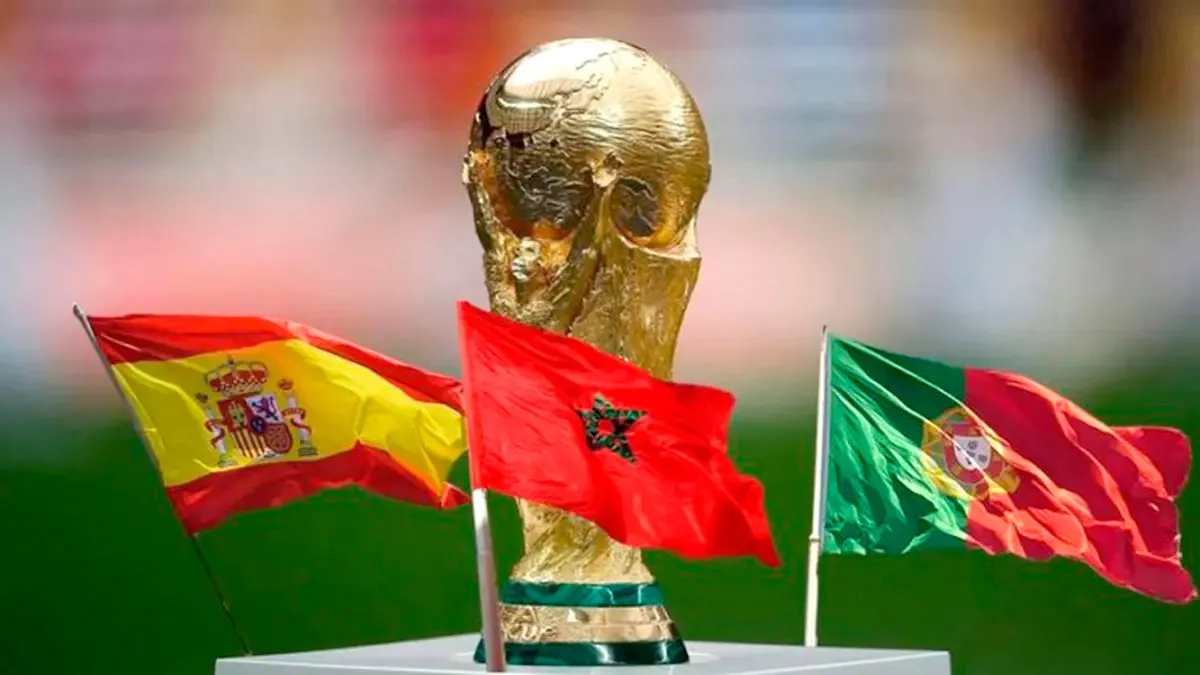
Morocco is gearing up for a significant transformation in its hotel sector, anticipating the addition of 60,000 hotel rooms in preparation for the FIFA World Cup 2030, which the country will co-host with Spain and Portugal. This ambitious expansion is primarily focused on key cities such as Casablanca, Marrakech, Tangier, and Rabat, where international hotel chains are actively pursuing projects. The challenge lies in ensuring long-term profitability while accommodating a surge of fans, teams, media, and visitors expected during the tournament.
The World Cup presents a pivotal opportunity for Morocco to enhance its international profile and solidify its standing as a premier tourist destination. The Moroccan authorities and industry stakeholders are intensifying their efforts to attract foreign investment in tourism, hospitality, and real estate sectors. The main goal is to significantly increase the country's accommodation capacity to meet the demands of the anticipated influx of visitors. This increased demand will necessitate more hotels, improved services, and a diverse range of offerings tailored to various traveler profiles.
Beyond the immediate excitement of the matches, Morocco aims to leverage the economic momentum generated by the World Cup to foster a lasting legacy of infrastructure and tourism appeal that will continue to drive growth well after the event concludes.
Government Initiatives to Boost Hotel Capacity
According to reports from the Ghana News Agency, the Moroccan Ministry of Tourism plans to introduce 60,000 new hotel rooms ahead of the tournament, marking one of the largest expansions of accommodation capacity in the country's history. This move comes at a time when tourist demand is steadily increasing, and the country's infrastructure is advancing towards modernization, enhancing its attractiveness as a destination. These factors are driving interest from international hotel chains and institutional investors, positioning Morocco as a stable market with potential for long-term profitability.
The ongoing projects reflect Morocco's growing significance on the African tourism map, with the country ranking second on the continent in terms of hotel development projects, trailing only Egypt. Notably, the W Hospitality Group's 2026 report indicates that Morocco has 75 establishments and 10,606 hotel rooms at various stages of development. This underscores the country’s robust potential in the hospitality sector, with nearly 70% of these rooms projected to open in 2026 and 2027.
Radisson Hotel Group, which currently operates 11 hotels in Morocco, aims to expand its portfolio to 30 hotels by 2030, viewing this expansion as a key opportunity within the booming tourism sector. The focus is shifting towards mixed-use development projects that integrate accommodation with retail, office space, and other services, thereby catering to both leisure tourists and business travelers.
Financing Morocco's Hotel Boom
Financing is a critical component for the growth of Morocco's hotel sector, requiring substantial financial resources. Banks, investment funds, and international financial institutions play a central role in supporting acquisitions, renovations, and new projects. Investors must consider not only the cost of construction or purchasing a property but also operational expenses, anticipated demand, pricing strategies, and the time frame required to recoup their investment.
The Casablanca Stock Exchange is an essential part of this financial landscape, boasting a market capitalization exceeding one trillion dirhams, which highlights its increasing significance in Morocco's economy. The evolution of financial instruments and the participation of institutional investors could broaden financing options for companies in the tourism and real estate sectors. On November 26, Casablanca will host the Morocco Showcase Summit, which will gather hoteliers, developers, investors, tourism officials, and financial entities to discuss financing, hotel performance, mixed-use projects, and opportunities across various cities.
For Morocco, the challenge lies in converting the visibility generated by the World Cup into sustainable economic growth, job creation, and long-term investment. Expanding hotel capacity is a crucial step, provided that the new infrastructures are sustainable and the projects remain viable beyond 2030.
In terms of regional focus, the cities of Casablanca, Marrakech, Tangier, and Rabat are at the forefront of investor interest, regarded as the most attractive markets for tourism development. Casablanca combines business activity and international connections with a strong demand for corporate accommodation, while Marrakech continues to thrive as a tourist destination. Tangier and Rabat are also expected to benefit from the increased hotel offerings and investments related to the World Cup.
Each of these cities will host matches in large-capacity venues, with Casablanca featuring the Grand Hassan II Stadium, which accommodates around 115,000 spectators, making it a leading candidate to host the final. Tangier's Grand Ibn Battouta Stadium boasts over 75,000 seats, while Rabat's Prince Moulay Abdellah Sports Complex can hold about 69,500 spectators, having previously hosted the Africa Cup of Nations final. Marrakech adds to the mix with its stadium, which is set for renovations in the coming years.
These infrastructures will undoubtedly bolster accommodation demand in these four cities. However, the viability of new projects will depend on ongoing demand and each city's ability to attract visitors year-round. Investor confidence is bolstered by improved air connectivity, government initiatives to promote tourism, and the increasing presence of international brands.
In conclusion, Morocco's strategic focus on expanding its hotel sector ahead of the World Cup 2030 not only aims to meet immediate demands but also seeks to establish a sustainable tourist economy that thrives long into the future. The collaborative efforts of the government, investors, and industry stakeholders will be crucial in realizing this vision.
As reported by atalayar.com.