Morocco's Integrated Strategy for Water and Natural Resource Management
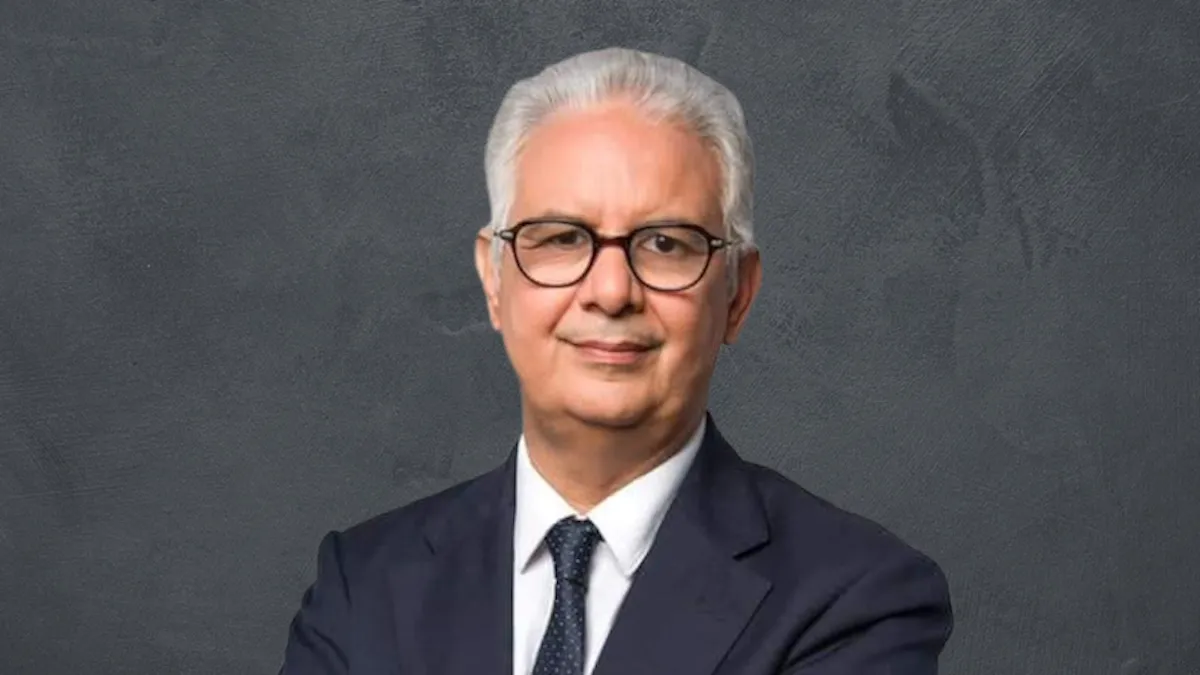
In a decisive move to address the pressing challenges of water scarcity, climate change, and infrastructure vulnerabilities, Morocco has appointed Nizar Baraka as the Minister of Equipment, Water, and Forests. This strategic consolidation aims to manage infrastructure, water security, and natural capital under a unified institutional framework. Such a comprehensive approach is particularly crucial given Morocco's recurrent droughts and the increasing pressures of climate change on its resources. By integrating these critical sectors, the Moroccan government underscores the importance of treating natural resources as strategic assets essential for sustainable economic development.
As the world grapples with the impacts of environmental constraints on economic growth, Morocco's initiative raises fundamental questions that resonate globally: Can nations achieve sustainable development while recognizing the limits of their natural resources? The urgency of water security has escalated due to declining groundwater levels and rising demand, impacting not just agriculture but also manufacturing, tourism, and overall public finances. This multifaceted challenge necessitates a shift from emergency responses to long-term resilience through coordinated planning and investment.
The Geopolitical Importance of Water in Economic Development
Water is increasingly seen as a strategic resource in the twenty-first century, influencing various sectors including agriculture, energy, and urban development. Morocco’s situation is emblematic of the broader regional and global context, where water scarcity poses significant risks to national stability and economic competitiveness. With the pressures of climate change intensifying, the demand for reliable water supplies is paramount, necessitating innovative solutions such as desalination and improved irrigation practices. However, technological advancements must be complemented by strong governance, effective demand management, and community engagement to ensure sustainable outcomes.
The integration of forests into Baraka's portfolio further emphasizes the recognition that natural capital is foundational to economic development. Healthy forests contribute to biodiversity, carbon storage, and soil protection, which are vital for the sustainability of local economies. As Morocco seeks to align its environmental policies with developmental goals, it sets an example for other nations facing similar challenges. By viewing environmental protection as an investment rather than a cost, Morocco can foster an economic framework that prioritizes long-term resilience and equity.
Baraka’s extensive background in economic policymaking positions him well to navigate the complexities of this expanded role. His previous experience in the Ministry of Finance and his recognition as a leading figure in economic governance underscore the importance of effective implementation in achieving Morocco’s ambitious goals. Ultimately, the success of this integrated approach will be measured by tangible outcomes, such as improved water availability, resilient infrastructure, and enhanced ecosystem health, which collectively contribute to inclusive economic growth.
As reported by eurasiareview.com.