Exploring the Intricate Ties Between Morocco and Spain
The relationship between Morocco and Spain is deeply intertwined with diplomatic interests, territorial tensions, and a social reality that often eludes clear interpretation. Moroccan journalist, writer, and dissident Ali Lmrabet has recently commented on the current state of affairs, stating that Morocco is actively seeking retribution against Spain's National Intelligence Center (CNI) and the airspace over Western Sahara. He has expressed concerns about the lack of prospects that greatly affects the lives of many Moroccans, particularly the youth, who feel compelled to leave their homeland. "As a Moroccan, this is a terrible situation," he lamented, highlighting the desperation felt by countless young individuals wishing to escape their country.
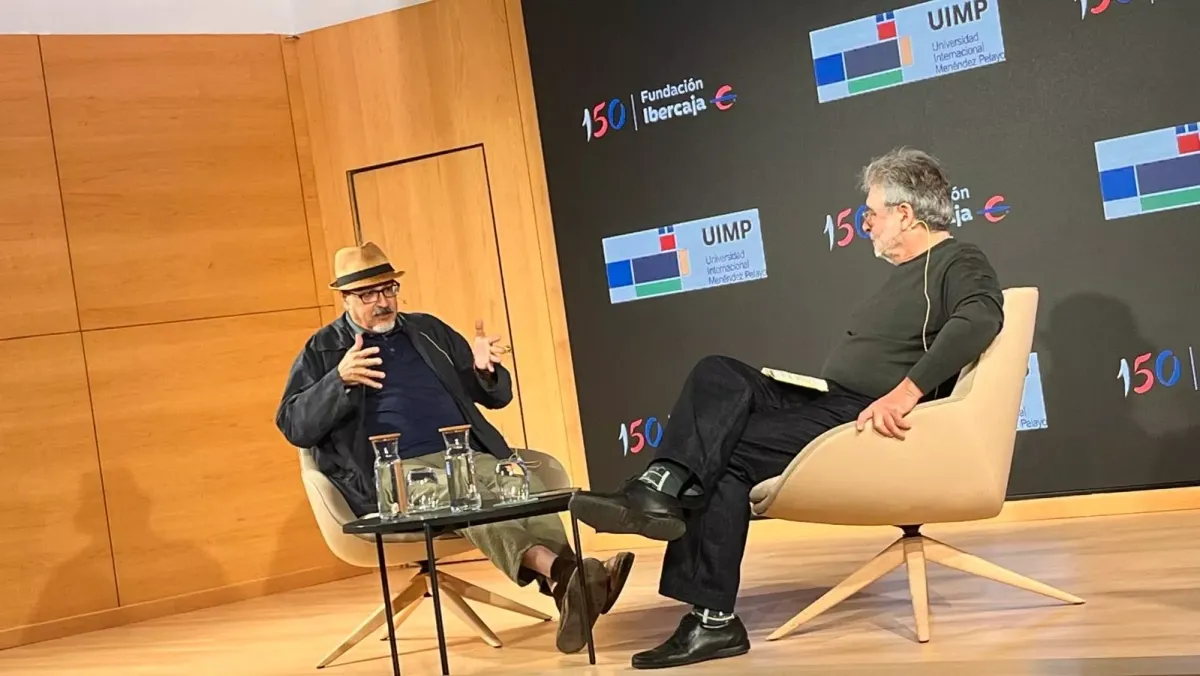
Lmrabet shared his insights during a conversation with Enrique Serbeto, a journalist from Huesca and correspondent for ABC in Brussels since 2002, during an event organized by the Menéndez Pelayo International University (UIMP) at their Pirineos headquarters. The discussion, titled "Morocco: A Country Difficult to Decipher from the West," attracted a full house at the Fundación Ibercaja in Huesca, where they delved into the political and social intricacies of the Alawite kingdom and the challenges of understanding the realities within its borders.
Following a presentation by UIMP-Pirineos director Alfredo Serreta, Serbeto shifted the focus to recent events in Ceuta, describing the situation as unprecedented and complex, and emphasizing the stark contrast between Spanish and Moroccan societies. He noted that the Strait of Gibraltar, often perceived as a narrow divide, is actually much wider, symbolizing the limited permeability and the significant differences that exist between the two nations. However, he also pointed out the strong ties that necessitate an understanding of how these dynamics impact both countries, particularly in light of the large Moroccan community in Spain, which influences shared geopolitical interests.
Challenges and Misunderstandings in Moroccan-Spanish Relations
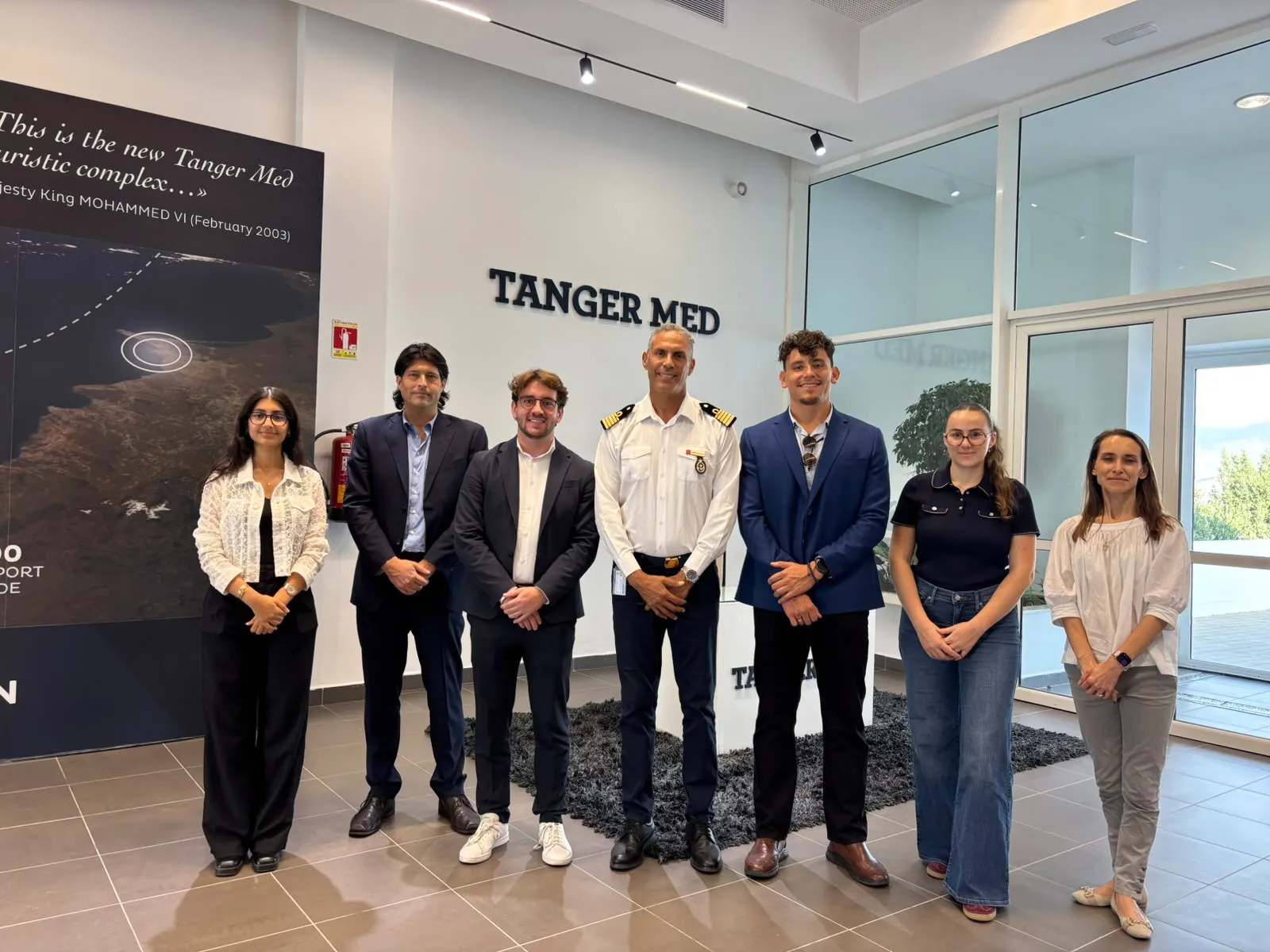
Serbeto depicted Morocco as a land of contrasts, capable of constructing world-class infrastructure like the Tanger Med port while simultaneously hosting villages without electricity. He also remarked on Morocco's waning international influence compared to the era of King Hassan II. Lmrabet added that the relationship between Madrid and Rabat cannot be fully understood without considering the roles of France and Algeria, suggesting that the dynamics often resemble a triangular relationship where Spain's ties with Morocco are influenced by its connections with France.
Recent royal visits, such as that of King Felipe VI to Ceuta and Melilla, were also discussed, with Serbeto recalling how a previous visit by King Juan Carlos I led to a diplomatic crisis, yet the latest visit seemed to generate little reaction. Lmrabet expressed concern over the silence among Moroccan media regarding whether Morocco officially claims Ceuta and Melilla, hinting at a complicated relationship with Spanish Prime Minister Pedro Sánchez.
Both journalists elaborated on the alarming trend of Moroccan youth wishing to migrate, citing a 2024 poll indicating a significant majority aspire to leave the country due to a lack of opportunities. Lmrabet articulated the urgency of addressing this issue, drawing attention to the vast number of people willing to risk everything to cross borders for a better life. He lamented the image of Morocco as a nation that exports its youth rather than nurturing their potential within its own borders.
The conversation further touched upon the restricted discourse surrounding sensitive topics in Moroccan society, including the monarchy and territorial integrity, which are often deemed too sensitive for public discussion. Lmrabet underscored the importance of allowing open dialogue about these issues to foster a more profound understanding of the societal challenges facing Morocco today.
As reported by eldiariodehuesca.com.