Abuja Reaffirms Energy Priorities at Russian Gas Exporters Summit
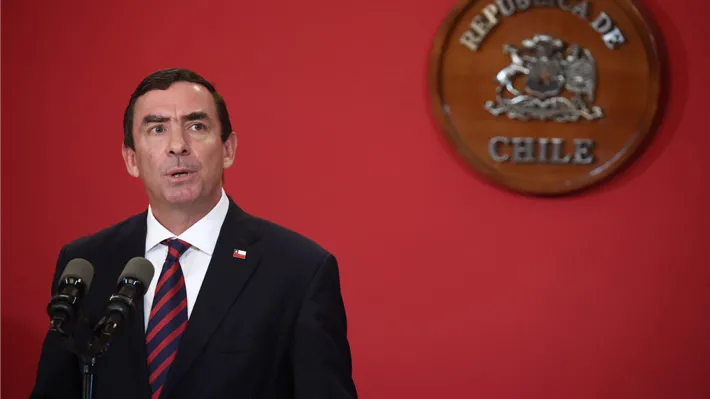
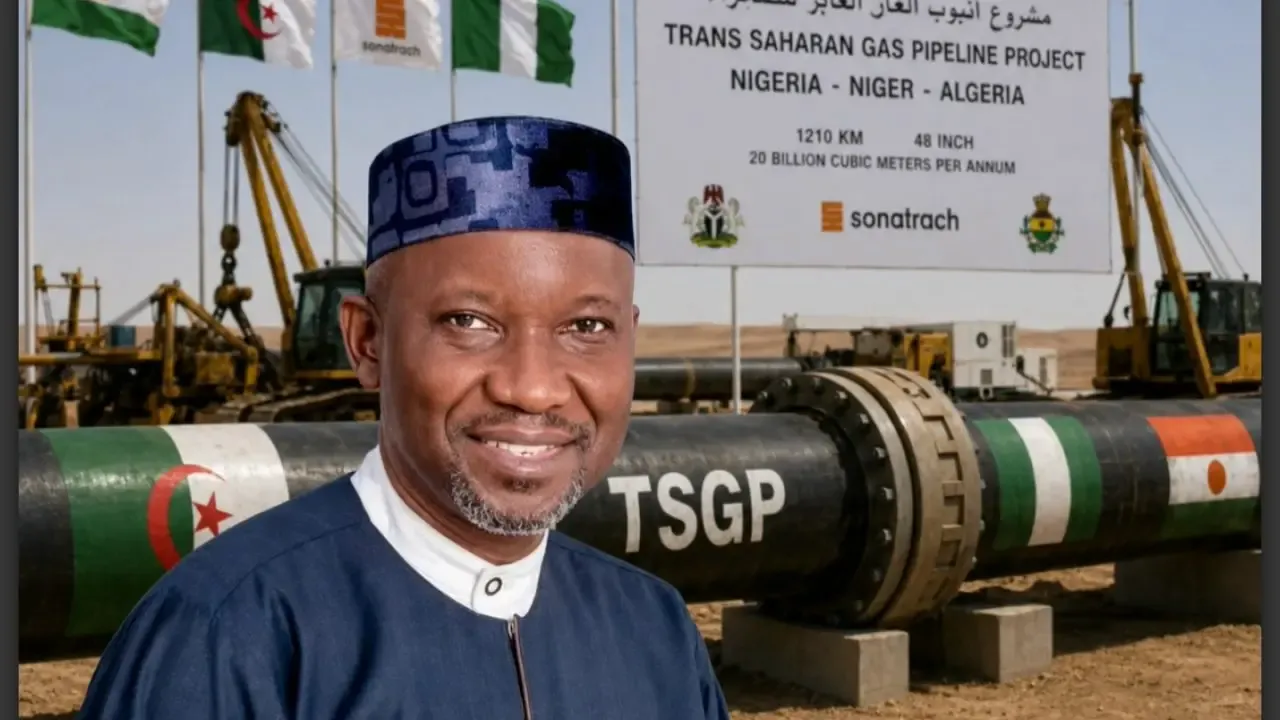
Amid the backdrop of the Gas Exporting Countries Forum (GECF) summit in Russia, Nigeria has set a decisive course for the continent's energy battle by prioritizing the Trans-Saharan Gas Pipeline (TSGP) to Algeria. This industrial choice effectively sidelines Morocco's Africa-Atlantic Gas Pipeline (GAA) project, relegating it to a political mirage burdened by financial enormity and technical infeasibility. The Nigerian Minister of State for Gas Resources, Ekperikpe Ekpo, made this clear during the 28th ministerial meeting, where he identified the TSGP as the sole viable solution to unlock the Sahel region and supply the global market with gas.
In a stark contrast to mere intentions, Nigeria's roadmap is already in the phase of industrial execution. Abuja is currently deploying its pipeline network from south to north to achieve seamless integration with Algerian infrastructure, with a connection project slated to commence in the strategically significant area of Aoulef by June 2026. This surgical synchronization is a manifestation of the formal commitments made to Algeria by the Nigerian National Petroleum Corporation (NNPC) to President Abdelmadjid Tebboune. To bolster this upward trajectory, Nigeria has secured four final investment decisions with international majors to enhance its extraction capacity, emphasizing its commitment to becoming a leading player in the energy sector.
The Africa-Atlantic Gas Pipeline: A Mirage in the Making
Faced with this industrial juggernaut, Morocco's GAA project collapses under the weight of its inherent contradictions. Renowned American expert Jeff Porter, president of North Africa Risk Consulting, has articulated a clear assessment of the structural vulnerabilities of the Moroccan initiative. The Atlantic route resembles an operational puzzle that remains unsolvable, as plans to lay thousands of kilometers of underwater and terrestrial pipelines across a mosaic of coastal states introduce numerous bottlenecks. The entangled national legislations, chronic instability in certain traversed regions, and staggering overall costs transform this project into a deterrent for potential investors. Analysts contend that Morocco's initiative is more about diplomatic posturing than economic rationality; no credible financial structure has been finalized, delivery timelines remain elusive, and even the project's profitability is jeopardized by unmanageable operational costs. By promoting a geographical overreach on paper, the Moroccan monarchy confronts the stark realities of industrial feasibility: the GAA is merely an empty shell, unable to attract discerning financial markets.
The decisive advantage of the Algeria-Nigeria corridor does not stem from grandiose declarations but rather from the cold logic of existing infrastructures. Unlike the Atlantic route, which requires starting from scratch, the TSGP seamlessly integrates into Algeria's already operational network, directly connected to Spanish and Italian terminals. In an industry where every kilometer of pipe translates to hundreds of millions of dollars, this advantage drastically reduces commissioning timelines and immediately secures investors. This technical maturity aligns perfectly with the urgent needs of Europe, which, reeling from disruptions in Russian supplies and geopolitical tremors in the Middle East, has abandoned long-term speculative bets. Brussels and its member states now demand short, secure supply routes backed by solvent historical partners. By channeling Nigerian gas into its Mediterranean arteries, Algeria is transforming its geopolitical stature, solidifying its role as an indispensable supplier while becoming the exclusive regulator of African gas transit to Europe. As Morocco grapples with the contradictions of a virtually unfeasible megaproject, the alliance between Algiers and Abuja is redrawing the global energy landscape.
As reported by just-infodz.com.