Political Fallout from Decrees Reducing Sentences for Sex Offenders in Chile
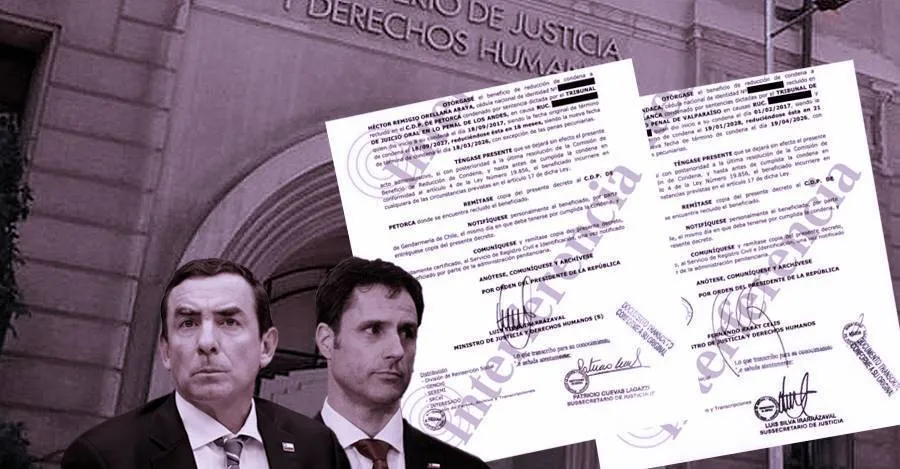
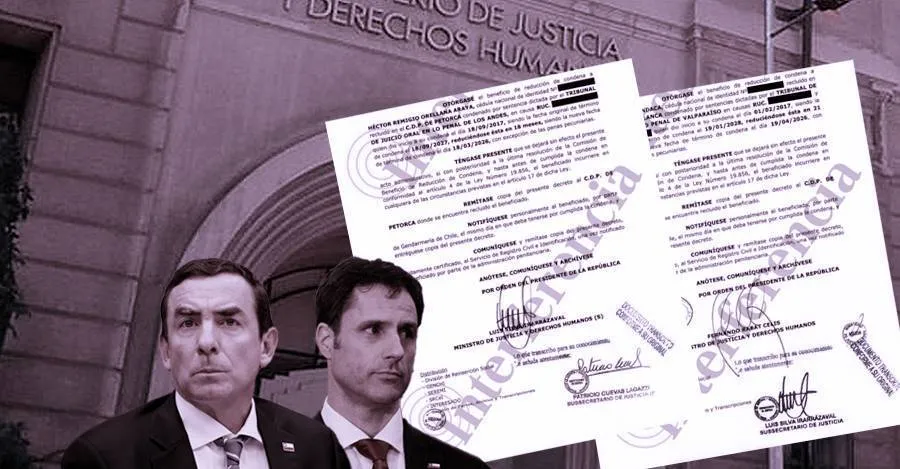
The recent publication of 56 exempt decrees signed under the administration of President José Antonio Kast, which effectively reduced sentences for individuals convicted of sexual crimes against minors, has ignited a significant political crisis within the ruling coalition in Chile. This revelation, originally reported by interferencia.cl, details actions taken between March 11 and September 13, 2026, relating to 27 cases of sexual abuse and 29 cases of the rape of children and adolescents. The fallout has not only put the Ministry of Justice under intense scrutiny but also exposed deep fractures within the Chilean right-wing political spectrum.
The decrees, bearing the signatures of Minister Fernando Rabat and Deputy Minister Luis Silva, have sparked a storm of accusations on social media, resurrecting dark episodes from recent political history and highlighting the precarious balance of the ruling coalition in addressing a highly sensitive public issue.
Escalation of Political Tensions
The political crossfire began when former Justice Minister Hernán Larraín, who served under Sebastián Piñera, publicly asserted his position following the emergence of these decrees. Larraín recalled that during his tenure in 2018, he rejected requests to reduce sentences for convicted sex offenders against minors, asserting that penal retroactivity does not apply to such benefits. He cited recent judicial shifts from the Supreme Court that protect children's rights as a basis for his stance.
The Republican Party's response was swift and personal, with party leader Arturo Squella invoking the legacy of the late Paul Schäfer, the leader of the notorious Colonia Dignidad, who was convicted of widespread sexual abuse against minors. Squella's remarks drew immediate ire, as he questioned Larraín, suggesting that such a law would have been beneficial during Schäfer's time.
This pointed reference reopened historical controversies surrounding Larraín, who had previously defended Colonia Dignidad and dismissed police efforts to apprehend the German pederast as a fabrication. In retaliation, UDI’s president, Guillermo Ramírez, condemned Squella’s comments as "injurious and unacceptable," emphasizing the need for unity within the coalition to avoid weakening their position in Congress.
Furthermore, Senator Luciano Cruz-Coke, president of Evópoli, urged Squella to exercise institutional temperance, highlighting the importance of maintaining decorum within their ranks to avoid providing ammunition to the opposition.
In a bid to contain the fallout, Squella reached out to UDI President Ramírez to offer apologies and pledged to rectify his statements publicly. Following this, he also personally apologized to Larraín, acknowledging that his comments were unjustified and committing to remove the contentious post from social media. Larraín accepted the apologies, signaling a desire to move forward and focus on Chile's pressing issues.
Despite these attempts to quell the controversy, President José Antonio Kast has remained silent regarding the release of the 56 convicted sex offenders, which has left the core of the crisis unresolved within La Moneda. The specifics revealed by interferencia.cl concerning individual cases, such as that of Waldo Gómez Mondaca, who was convicted of abusing a 16-year-old girl with intellectual disabilities, and Héctor Orellana Araya, sentenced for the rape of a 10-year-old boy, have undermined the government's narrative that it had limited control over the actions of mid-level administrative officials.
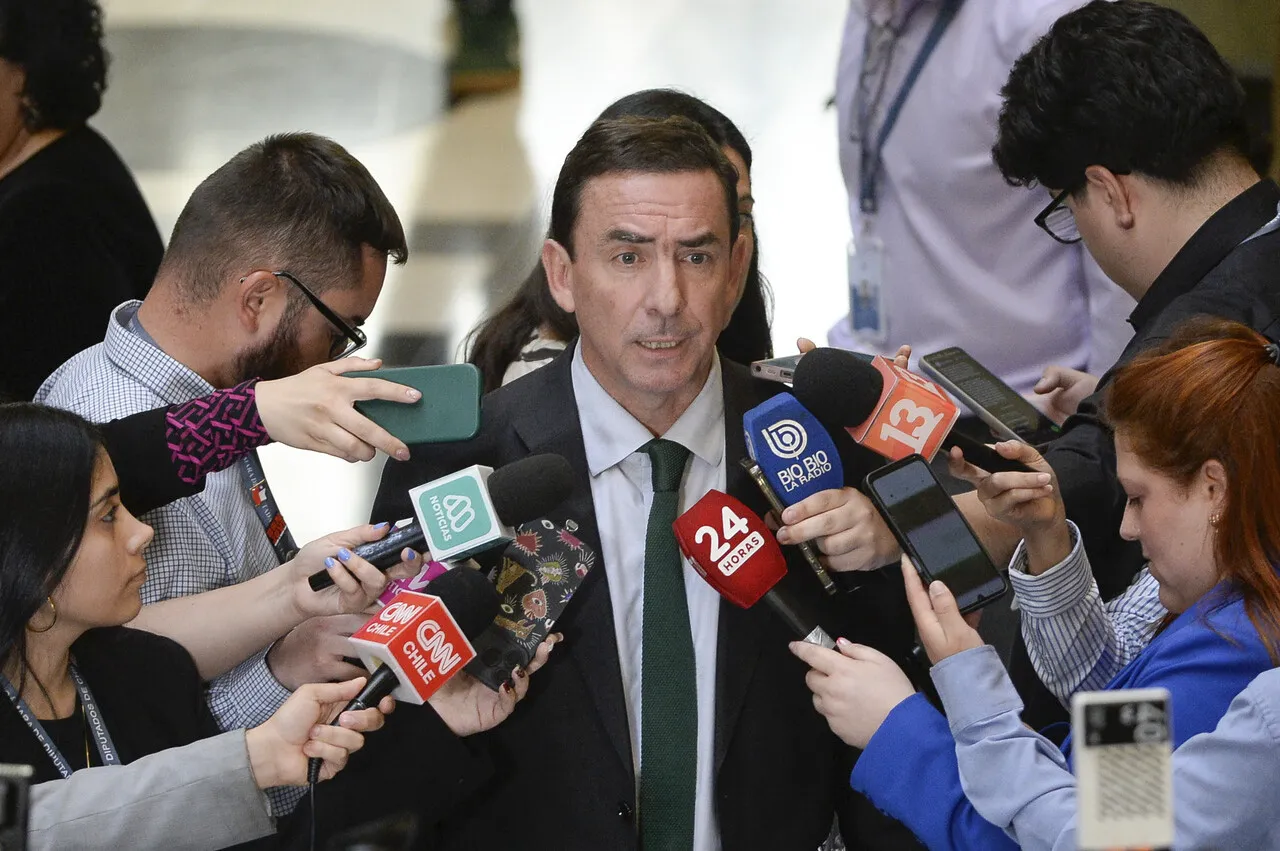
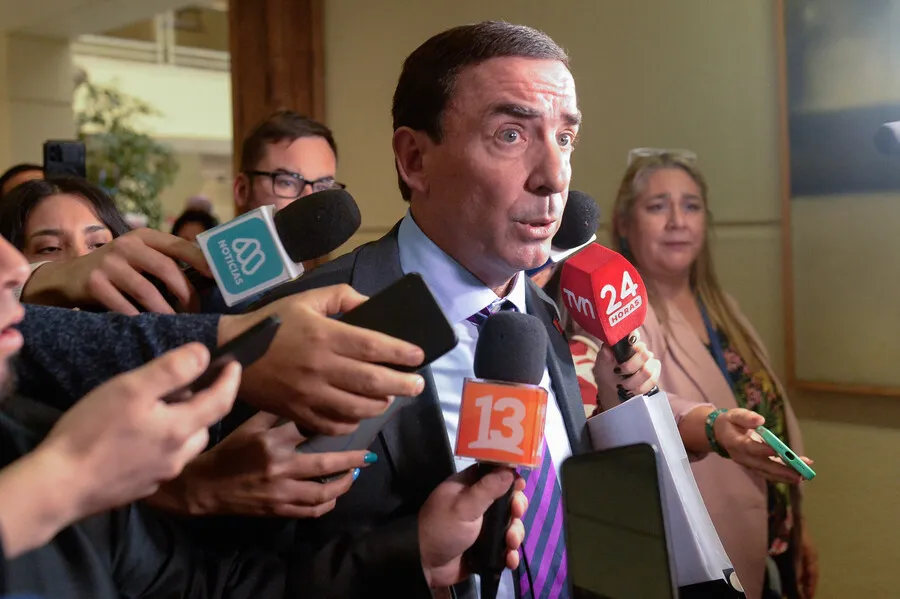
With both Rabat and Silva's signatures on the decrees, the Ministry of Justice is at the center of scrutiny. As a damage control measure, the ministry has attempted to shift responsibility to a review conducted by an official while announcing a temporary halt to processing new decrees and proposing immediate legislative discussions. However, this has not quelled tensions in Congress, where opposition parties are mobilizing to gather signatures for a constitutional accusation against Minister Rabat. The lack of clear political backing from La Moneda and the contradictions between the government's "zero tolerance" rhetoric on crime and the administrative decisions signed by top justice officials leave both Rabat and Silva in a precarious political position, facing intense scrutiny and calls for accountability.