Rabat's Justice Minister Faces Backlash Over Sentence Reductions for Sex Offenders
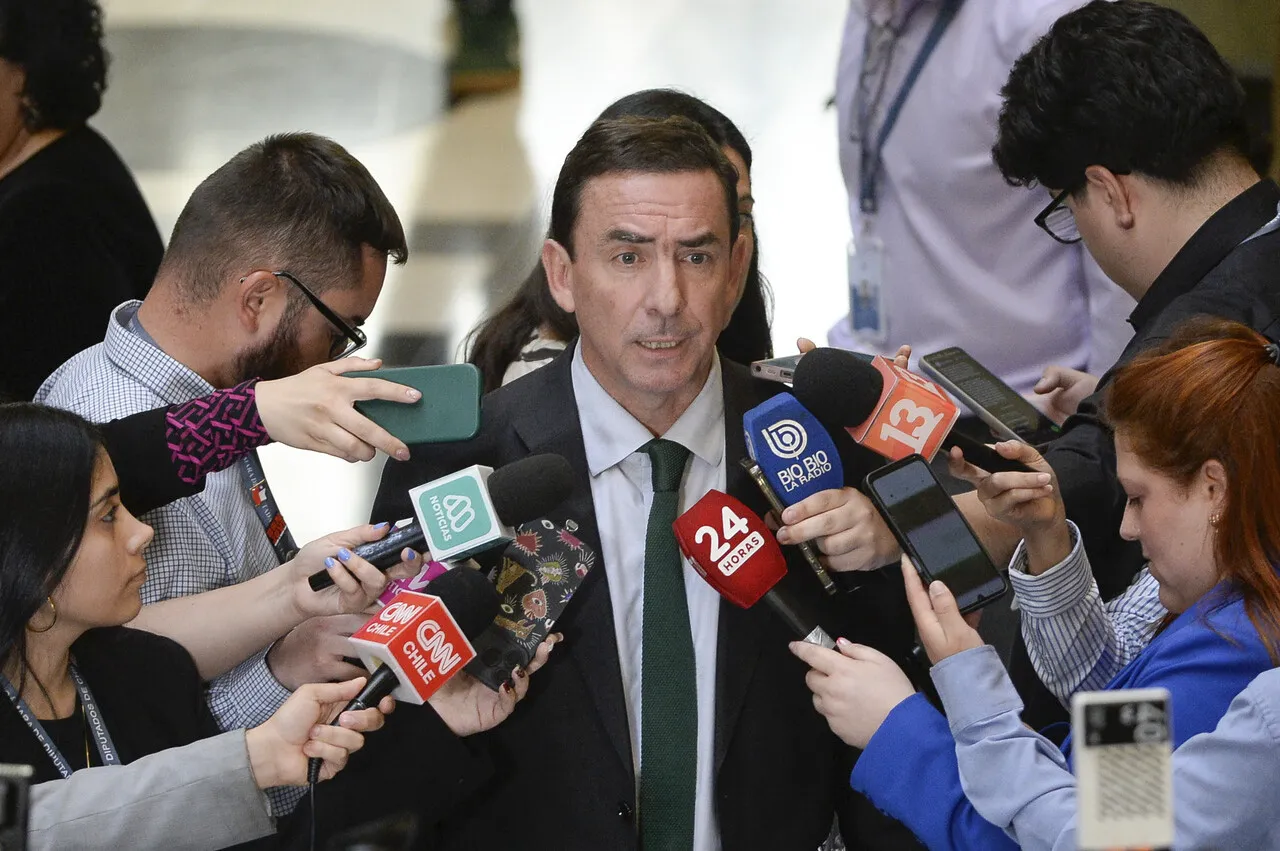
In a significant development emerging from Rabat, Morocco, Justice Minister Fernando Rabat has found himself at the center of a heated controversy regarding the recent decision to reduce sentences for 56 individuals convicted of sexual crimes against minors. During an interview with El Mercurio, Rabat emphasized that the crux of the issue lies in the need for greater consideration of the victims' situations. He acknowledged that there has been a failure to address the legislative problems surrounding this matter over the past four years, indicating that a comprehensive approach was necessary to tackle the complexities of the law governing such sensitive issues.
In discussing the implications of the sentence reductions, Rabat stated, "In many cases, this may have occurred. However, it is important to understand the role of the Ministry of Justice in this situation. Currently, the law entrusts this matter to a special commission within the penitentiary facilities, which means that the Ministry does not control these measures directly." This highlights the complicated nature of the justice system and the delicate balance required to maintain legal integrity while also addressing the rights of victims.
Legislative Challenges and Future Reforms
The Justice Minister elaborated on the reasons for not rejecting the requests for sentence reductions, stating, "We wanted to confront the problem rather than shifting it to the judiciary. I am bound by constitutional law, international treaties, and a consistent jurisprudence that prohibits applying certain legislation retroactively. Although it is painful to read the details of the offenses involved, my duty is to adhere to the Constitution and the law. Transferring the issue to the judiciary does not resolve the problem at hand." He noted that the Supreme Court has established a doctrine whereby these matters are considered a right for the convicted, reinforcing the legal framework that complicates potential reforms.
Rabat also addressed rumors of his resignation, firmly stating, "I have not considered resigning. President José Antonio Kast invited me to be part of a wonderful project aimed at serving Chile, and I hope to accompany him for the next four years." Looking ahead, he outlined plans for a new legislative initiative that will exclude sexual crimes against children from eligibility for sentence reductions, emphasizing a shift in focus towards the victims rather than the offenders. This initiative aims to ensure that victims’ voices are heard during the judicial process and that transparency is upheld within the system.
Rabat concluded by acknowledging the need for self-reflection, admitting that there was a lack of consideration for victims' rights within the existing legislation. He stressed the importance of the proposed law to rectify this oversight and ensure that such situations do not arise again in the future. The political cost of not addressing these critical issues is significant, as he indicated that the political landscape should not operate against the Constitution and the law.
As reported by ex-ante.cl.