Spain's Controversial Decision to Return Migrants to Morocco
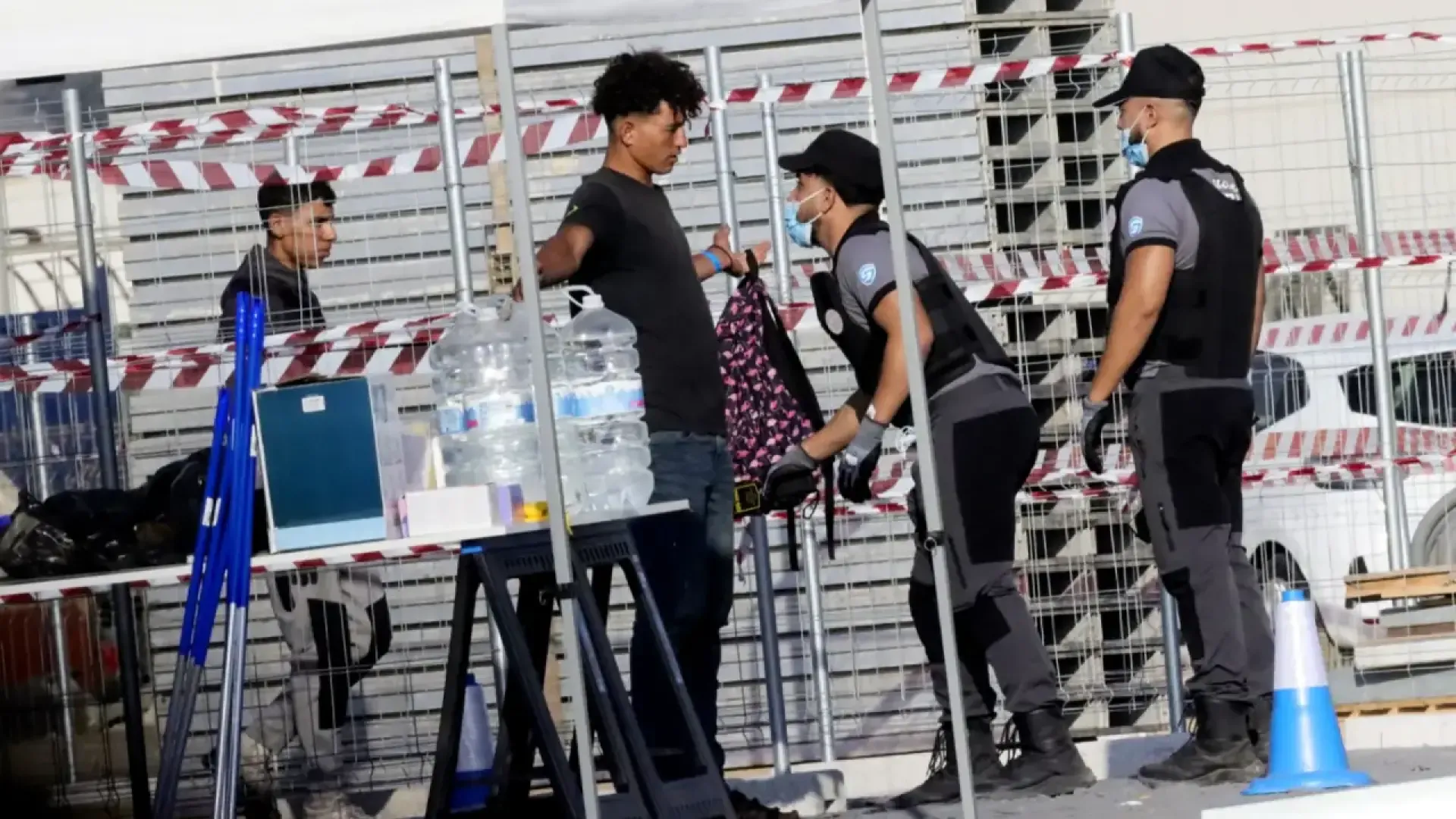
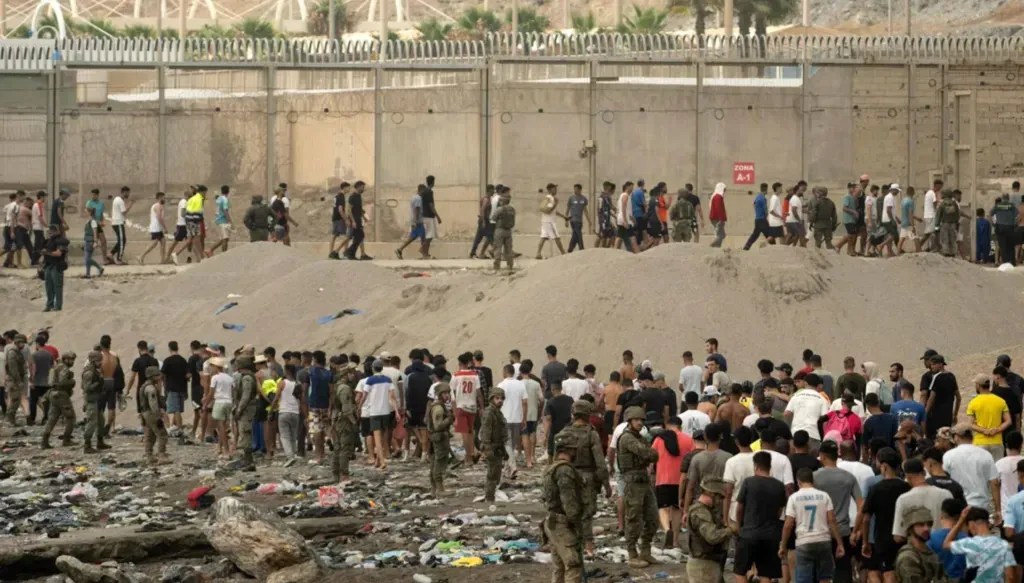
In a significant development concerning immigration and border security, Spain has repatriated 21 migrants to Morocco who were implicated in an incident of violence against military personnel in Ceuta. This action comes amid growing tensions surrounding the management of migration flows across the Mediterranean, particularly at the borders of Spain's enclaves in North Africa. The migrants were accused of throwing stones at soldiers, an act that has raised serious concerns regarding the safety and security of border control operations. The Spanish authorities have reiterated their commitment to maintaining order at these critical checkpoints, emphasizing the need to prevent any escalation of violence.
Implications for Spain-Morocco Relations and Migration Policy
The return of these individuals is not merely a legal action; it reflects the broader geopolitical dynamics between Spain and Morocco. As both nations navigate the complex issues of migration, security, and human rights, this incident underscores the challenges faced by European countries in managing their borders while adhering to international norms. The decision to send the migrants back has sparked debate over the treatment of individuals seeking refuge and the responsibilities of nations in protecting human rights. Critics argue that such measures may undermine the humanitarian principles that govern international asylum protocols.
As Spain continues to grapple with its migration policies, the repercussions of this incident will likely resonate beyond its borders, influencing discussions around immigration reform and bilateral relations with Morocco. The ongoing dialogue between these two nations will be crucial in shaping future strategies to address the multifaceted challenges presented by migration.
As reported by annahar.com.