Young Moroccans Pursuing the European Dream
In the picturesque coastal town of Alhucemas, Morocco, a palpable sense of aspiration lingers in the air among the youth, as they navigate the complex reality of life in their homeland while dreaming of a future in Europe. Names like Amir, Karim, and Ayoub each tell a story of hope intertwined with despair. The migration of young Moroccans to Europe reflects not just a pursuit of better economic opportunities but also a quest for fundamental rights and dignity. As these young individuals face an increasing desire to emigrate, the implications for Morocco's future become increasingly concerning. The recent irregular crossing of 80,000 people from Fnideq to the Spanish city of Ceuta on July 30 sparked a significant diplomatic crisis with Spain, revealing the ongoing struggle Morocco faces in retaining its young talent amid mounting economic pressures.
The Economic Landscape and Migration Trends
Despite Morocco's impressive economic growth of 4% and significant infrastructure advancements, the stark reality is underscored by alarming unemployment figures, particularly among those under 24, where rates soar to nearly 38%. With three out of ten young people neither studying nor working, the situation is dire. Comparatively, neighboring Spain boasts an economy 10.5 times larger than Morocco's, with a per capita GDP of 34,400 euros against Morocco's 4,163 euros. This economic disparity has led to a surge in migration attempts, particularly along the Western Mediterranean route connecting northern Morocco to southern Spain, which has seen a 26% increase in entries to Europe this year alone.
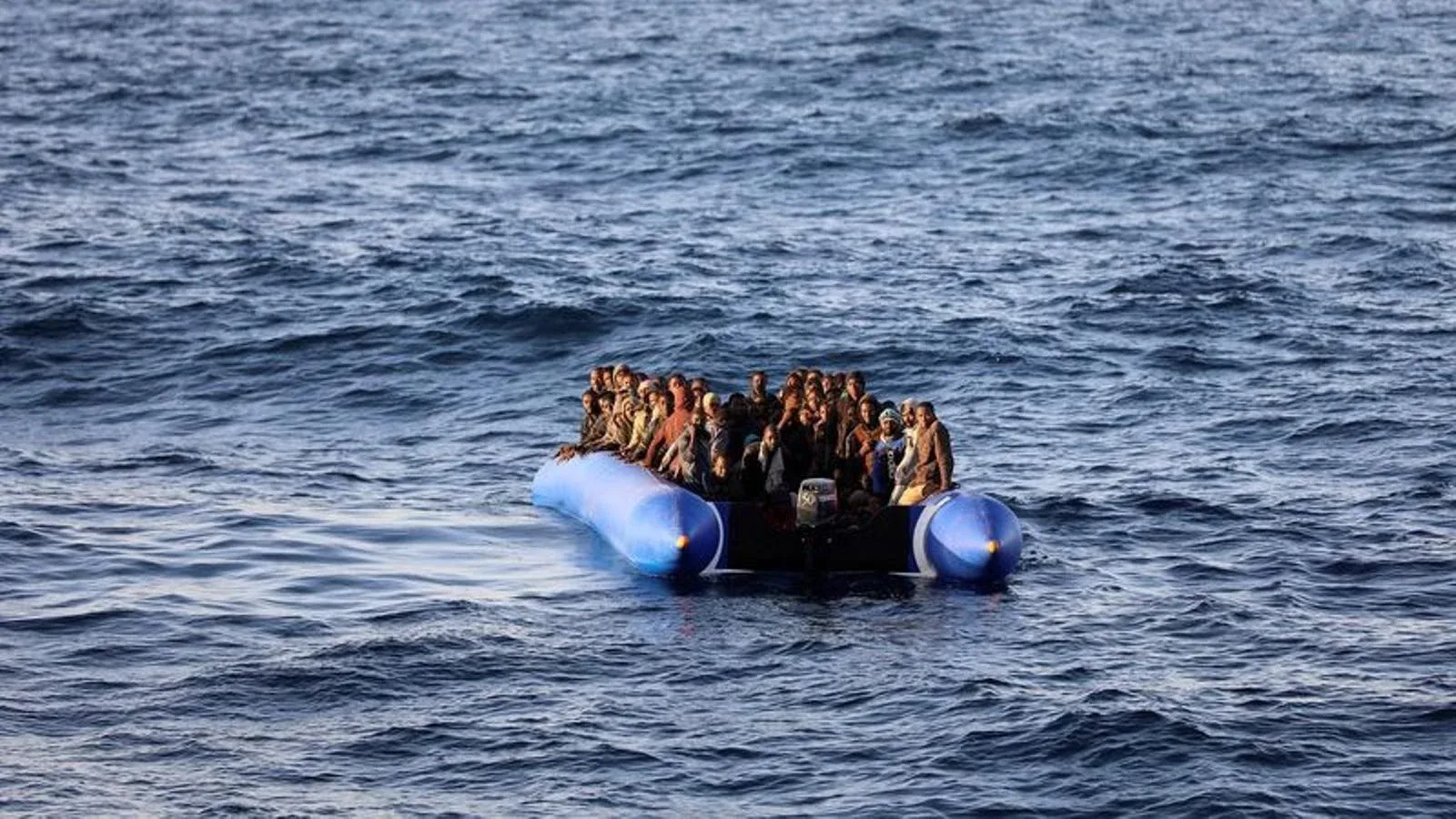
The migration corridor is not confined to the borders of Ceuta and Melilla or the short distance from Tangier to Tarifa; young Moroccans embark on perilous journeys that can extend up to 200 kilometers from Alhucemas to the shores of Andalusia. Karim, 28, exemplifies the struggles faced by many. After participating in the Hirak movement—a significant protest in northern Morocco—he attempted to migrate five times, fueled by a relentless desire to find a better life. His harrowing experiences included failed crossings and imprisonment, ultimately leading him to advise others to seek legal avenues for migration, such as obtaining a visa or a work contract.
Another young man, Walid, who migrated to Spain at 17 years old, echoes Karim's sentiments, advocating for legal migration routes after facing deportation due to lack of proper documentation. These narratives are emblematic of a broader sentiment among Moroccan youth, who feel that while Morocco is a land of potential, it lacks the respect for human dignity and rights found in Europe. Ayoub, a 22-year-old, conveys a similar frustration after his third failed attempt to reach Spain. He articulates the pervasive mentality among young Moroccans: "Everyone has the idea of leaving. Here, we are all living temporarily." This collective consciousness reflects a generational dilemma, where the risks associated with migration are weighed against the dire socio-economic conditions at home.
As these young men share their stories, the questions arise: Why do they risk their lives for the uncertain promise of Europe? Omar, a 45-year-old who has worked in both Spain and Belgium, warns younger generations against the perils of illegal migration, emphasizing the need for better opportunities within Morocco. His narrative encapsulates the heart-wrenching choices faced by many: the pursuit of a dream that often leads to perilous waters. Ultimately, these accounts serve not only as testimonies of personal struggle but also as a reflection of the urgent need for systemic change within Morocco to provide the young population with the opportunities they seek.
As reported by es-us.noticias.yahoo.com.