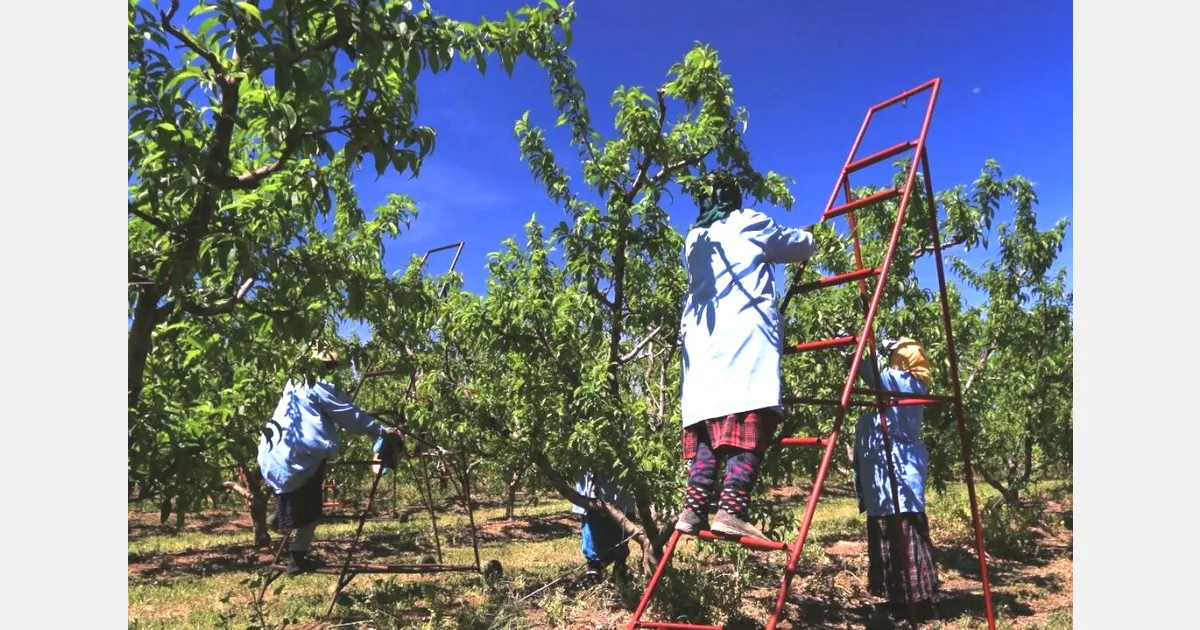
The Rise of Morocco, Turkey, and Egypt in the European Market
Over the last few years, an evolution similar to that witnessed in the clothing industry three decades ago has begun to shape the fruit and vegetable sector, albeit on a more modest scale. The mass migration of garment manufacturing to low-wage countries was driven by consumer preferences for lower prices, a trend now mirrored in the fresh produce aisle. Today, alongside local products, consumers find a variety of options such as Moroccan tomatoes, Turkish peppers, and Egyptian oranges, often at lower prices than their local counterparts. This shift raises an important question: Are we seeing a substantial change in crop cultivation locations akin to what occurred in textiles, shipbuilding, and automotive industries? The answer is yes, although the transformation in the fruit and vegetable sector is occurring at a slower pace and with less dramatic shifts. This article delves into the cultivation trends favoring Morocco, Turkey, and Egypt, which occupy similar market windows as European farmers.
One significant reason for this price-driven competition is the stark difference in production costs. These costs are influenced primarily by labor expenses, with Morocco’s minimum wage dramatically lower than that of many European nations—Luxembourg’s minimum wage exceeds €2,700 monthly, while Morocco’s is a fraction of that. Other factors such as land and energy costs also contribute to this competitive edge. However, it’s crucial to note that these cost advantages can be diminished by additional logistics expenses, including transportation and cold storage. Therefore, while lower production costs are enticing, they do not guarantee a competitive advantage without considering the entire supply chain.
Factors Influencing Crop Cultivation and Market Dynamics
The dynamics of the fruit and vegetable market are driven by two fundamental structural features. First, the price elasticity of demand is significant for many products in this category. In simpler terms, consumers often prioritize price over the origin of the produce when making purchasing decisions. Second, the substantial power wielded by large supermarket chains plays a pivotal role in determining purchase prices, indirectly influencing the geographic focus of crop cultivation.
Examining the wage landscape across Europe reveals a stark disparity that significantly impacts where labor-intensive crops are cultivated. For instance, the minimum wage in Luxembourg significantly outstrips that of Bulgaria, the lowest in the EU, and this trend continues outside the EU, with Morocco and Egypt offering minimum wages that are a small fraction of their Western European counterparts. Moreover, the minimum wage is not uniformly regulated across all EU nations, as some countries, like Italy and Austria, rely on collective bargaining to establish wage levels.
Beyond wages, land and electricity costs also influence production expenses, revealing further disparities between Western Europe and neighboring low-cost regions. Agricultural land in the EU averages over €15,000 per hectare, with some regions like the Netherlands exceeding €100,000, whereas land in Morocco, Egypt, and Turkey is significantly cheaper. These economic factors are crucial as they determine the viability of crop cultivation in different regions.
Transportation costs add another layer of complexity to this analysis. A lower production cost in a certain area does not automatically translate into a competitive market advantage. Various logistical costs, including transport and cold storage, must be factored into the overall production cost. For instance, transporting fresh produce over long distances can negate the cost benefits achieved through lower labor and land costs, highlighting the necessity of a comprehensive evaluation of competitive positioning in the market.
Interestingly, while lower production costs are a significant factor in the shift of crop cultivation towards Morocco, Turkey, and Egypt, they are not the sole reason. Other elements, including climate change, access to irrigation, agricultural policies, and varying infrastructure capabilities, also play critical roles in shaping agricultural landscapes. Despite these complexities, it is evident that lower production costs in these countries contribute to their increased presence in the European market, as evidenced by the growing shares of Moroccan avocados, tomatoes, and other produce in recent years.
As we look forward, the landscape of the fruit and vegetable industry continues to evolve. Morocco, Turkey, and Egypt are establishing themselves as key players in the European market, reshaping the dynamics of agricultural production and consumption. This development not only highlights the competitive advantages these countries hold but also underscores the ongoing transformation within the global food supply chain.
As reported by hortidaily.com.