
The African continent is currently grappling with three significant risks that pose a serious threat to its stability and security. First and foremost, the presence of terrorist groups operating in the Sahel region is alarming, as these factions are intent on establishing their caliphate in Mali and beyond, reminiscent of their attempts in Syria and Iraq. Secondly, a new outbreak of Ebola in the Congo and Uganda has emerged, presenting an uncontrolled strain that has tragically resulted in the deaths of over 170 individuals. Lastly, the issue of forced migration has escalated, with mafias orchestrating the trafficking of people, drugs, weapons, and even wildlife, exacerbating the humanitarian crisis.
In light of these pressing challenges, it is imperative for Europe to take heed and implement measures to address the situation effectively. Major global powers, particularly China and Russia, are vying for control over vast regions of Africa, seeking to exploit its rich natural resources, including coltan, rare earth elements, diamonds, gold, and uranium. The countries embroiled in these conflicts are urgently appealing for assistance, highlighting their dire need for support amid the turmoil.
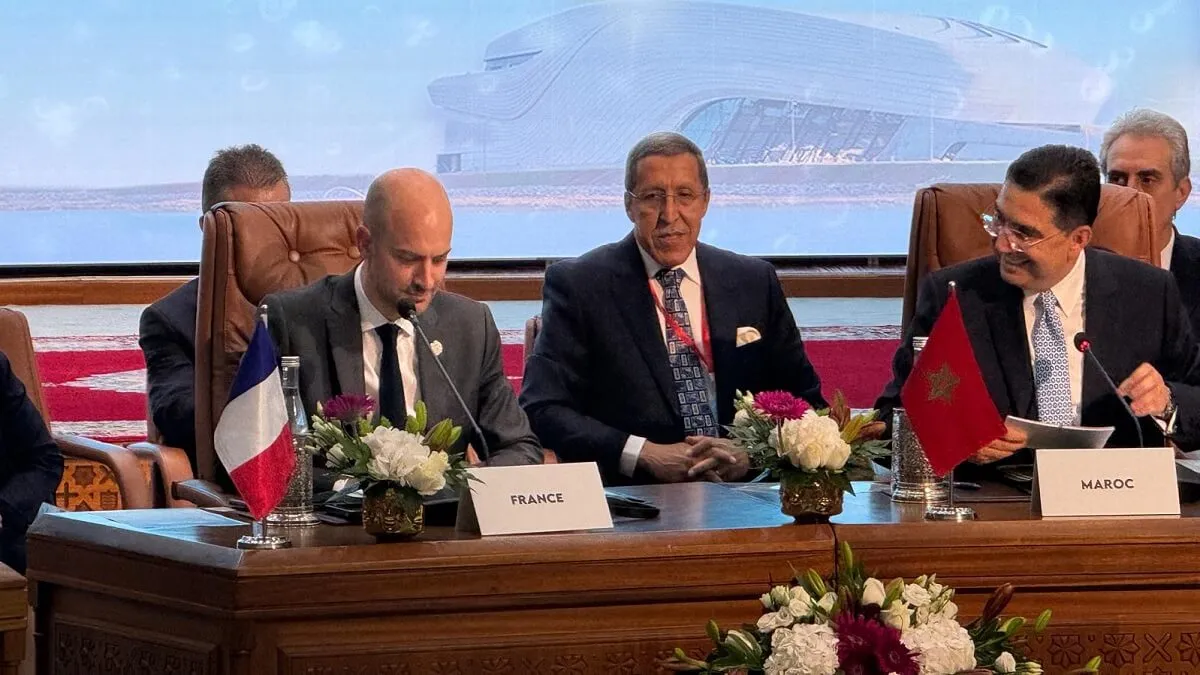
France, which historically held colonial power over much of Africa, has faced expulsion from several Sahel nations and is now looking to regain its influence through Morocco, a nation that has emerged as a leading force in African affairs. At the recent Ministerial Conference on Peacekeeping in the Francophone World held in Rabat and co-chaired by France and Morocco, French Foreign Minister Jean-Noël Barrot emphasized the necessity for collective reflection on peacekeeping operations. He advocated for equipping these missions with adequate resources, honoring financial commitments, and modernizing tools to effectively tackle contemporary threats, particularly those posed by drones and disinformation campaigns.
United Nations Secretary-General António Guterres underscored the importance of peacekeeping as one of the most tangible demonstrations of the UN's commitment, especially during a time when global conflicts are at their highest since 1945. He reminded attendees that peacekeeping remains among the international community's most robust and cost-effective tools, requiring a sustained political commitment, resources that align with actual needs, and enduring partnerships.
Moroccan Minister of Foreign Affairs, African Cooperation, and Moroccans Abroad, Nasser Bourita, stressed the necessity for UN peacekeeping mandates to adapt to the dynamic conditions on the ground. He cautioned that without such adaptation, these mandates risk becoming mere instruments of the status quo rather than effective tools for conflict resolution. Bourita advocated for peacekeeping operations to be founded on realistic and achievable objectives, supported by well-defined political strategies that undergo regular evaluation. He argued for focusing on less ambitious yet effectively attainable goals rather than maintaining unrealistic promises that go unfulfilled.
Bourita also highlighted the increasingly hostile operational environment faced by peacekeepers, marked by asymmetric threats and assaults from non-state armed groups and separatist movements linked to terrorist organizations. He called for a zero-tolerance policy towards crimes committed against peacekeeping personnel, emphasizing the need for robust measures to protect those who strive to maintain peace in the region.
As reported by atalayar.com.