
Humanitarian Concerns Surround Burial of Migrants in Ceuta
The planned burial of 82 Moroccan migrants who tragically lost their lives during a mass crossing attempt into Ceuta on July 30 has sparked significant legal and humanitarian debates. The Moroccan Association of Human Rights (AMDH) has vocally opposed the burials, urging that they be postponed until the identification of the victims and communication with their families has been thoroughly completed. The AMDH's statement underscores the fundamental principle that human dignity must be preserved both in life and in death, asserting that families deserve the right to know the fate of their loved ones, receive their remains, and conduct the burials in a manner that honors their dignity.
In its recent declaration, the AMDH has called on Moroccan authorities to engage in diplomatic and consular efforts aimed at halting the burials. They have emphasized the necessity of extending the identification period and employing scientific techniques, including DNA testing, to accurately identify the deceased and match them with samples provided by families seeking their missing relatives. Moreover, the association has reiterated the call for Moroccan officials to facilitate the repatriation of the bodies, ensuring they are returned to their families for burial in Morocco. Transparency in communication with the families regarding the process and any developments is also a critical aspect highlighted by the AMDH.
The association has sent formal letters to key governmental bodies, including the Ministry of Justice and the National Human Rights Council, urging immediate action to ensure that the victims are properly identified and their remains returned to the Kingdom. The AMDH pointed out that the Moroccan state bears the responsibility to protect its citizens and uphold their rights, a duty that extends beyond national borders. They stressed the urgency for diplomatic and consular measures to alleviate the suffering of the victims’ families, highlighting the emotional toll this situation has taken.
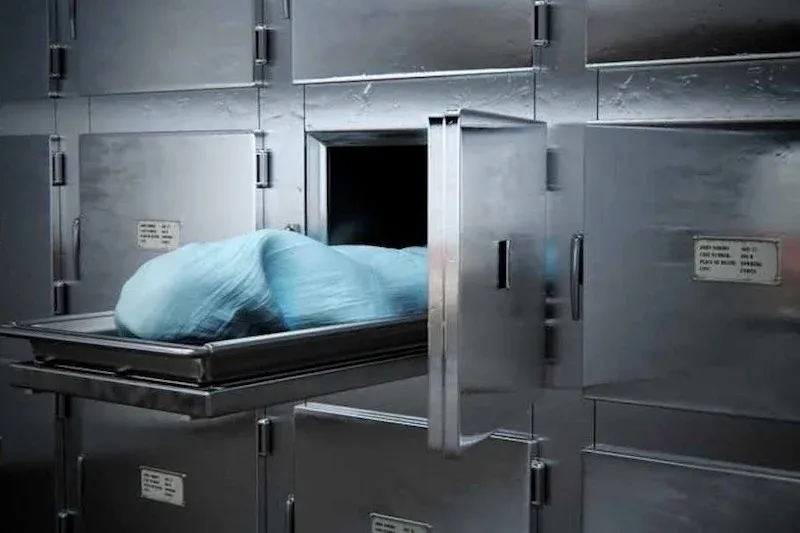
Currently, authorities in Ceuta are awaiting judicial approval to proceed with the burials, with funeral workers prepared to undertake the preparations once the necessary permits are granted. It has been reported that the legal timeframe for preserving the bodies has been exceeded; bodies can typically remain refrigerated for up to six days and frozen for a maximum of 21 days for judicial purposes. However, in this case, the time limits have been extended on humanitarian grounds, providing families with additional time to identify their relatives.
Moroccan authorities have been informed about the available victim data, allowing them to cross-reference it with their own records. A dedicated office has been established to assist families of missing migrants in reporting their missing relatives and submitting DNA samples, with 19 cases documented thus far. The ongoing situation highlights the critical need for compassion and responsibility in addressing the plight of those who have perished in their search for a better life.
As reported by en.hespress.com.