
Understanding the Shifts in Moroccan Politics
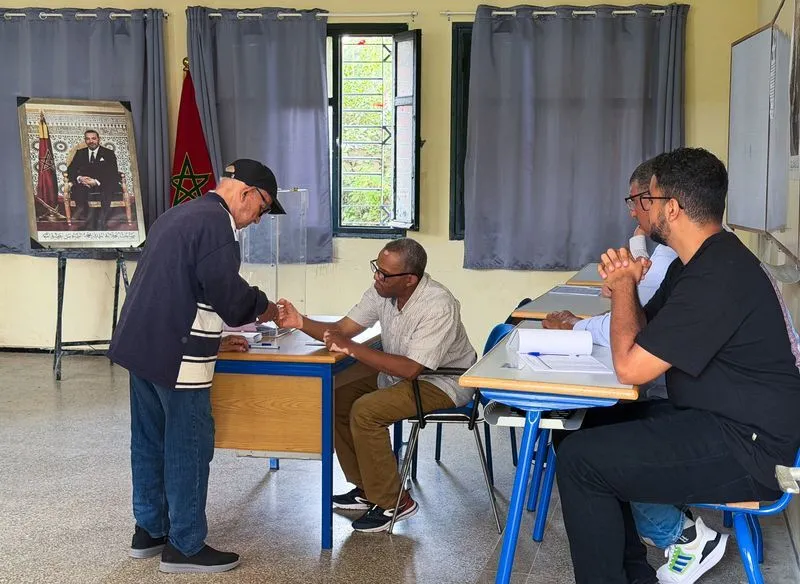
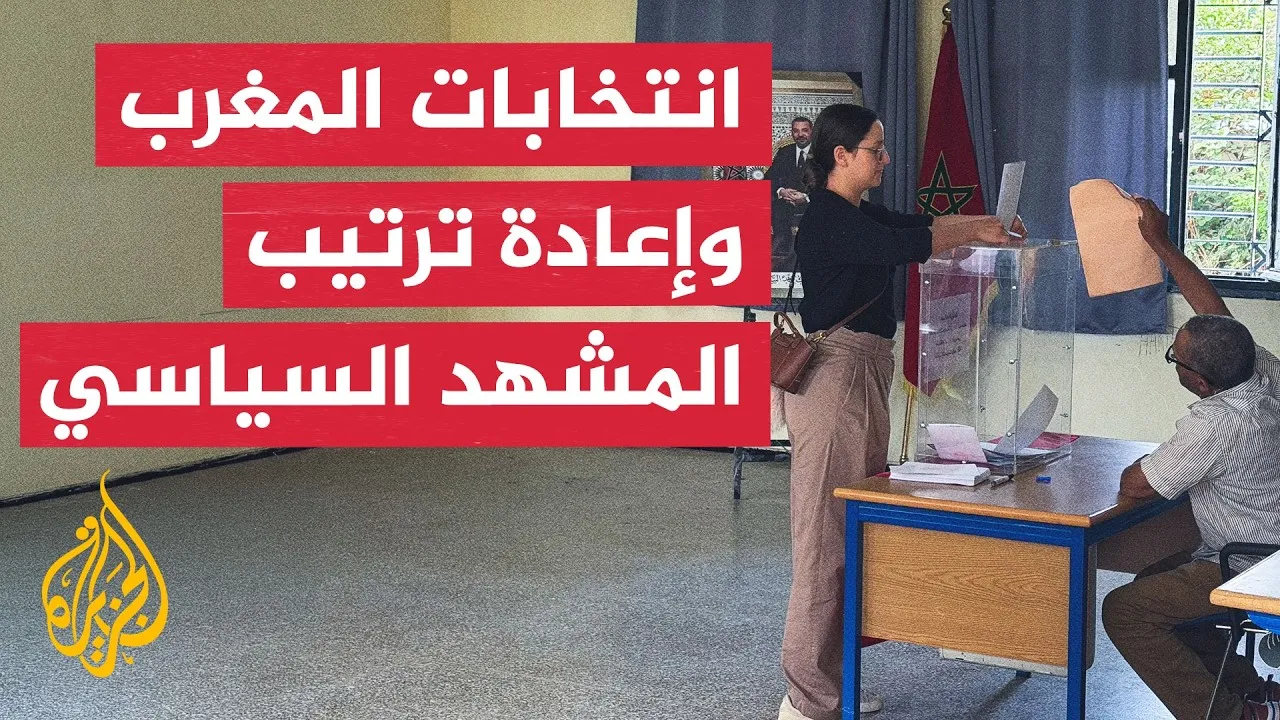
The recent Moroccan legislative elections held on September 23, 2016, have significantly reshaped the political landscape of the nation, as evidenced by a voter turnout of 38.02%. This electoral event ushered in a new era where the Authenticity and Modernity Party (PAM) emerged as the leading force, capturing 97 seats in the 395-seat House of Representatives. In contrast, the National Rally of Independents (RNI) experienced a decline, securing only 66 seats, while the Justice and Development Party (PJD), despite its previous struggles, made a notable comeback with 54 seats. This shift has prompted widespread discussions regarding the implications for governance and policy direction in Morocco.
With the PAM's ascendance to the forefront, analysts are closely examining the potential scenarios for forming the new government. The political dynamics are intricate, given the varied outcomes across different constituencies and the return of influential political figures to the legislative body. The results reflect not only a realignment of party strengths but also a response to the electorate's desires for change and effective governance.
The implications of these election results are profound, as they set the stage for future negotiations and coalition-building efforts. Political analysts predict that the PAM will need to navigate complex alliances with other parties to form a stable government. The interplay between the PAM, RNI, and PJD will be crucial in determining the legislative agenda and the overall stability of Moroccan politics in the coming years.
As reported by youtube.com.