The Migration Crisis in Ceuta: EU's Diplomatic Balancing Act
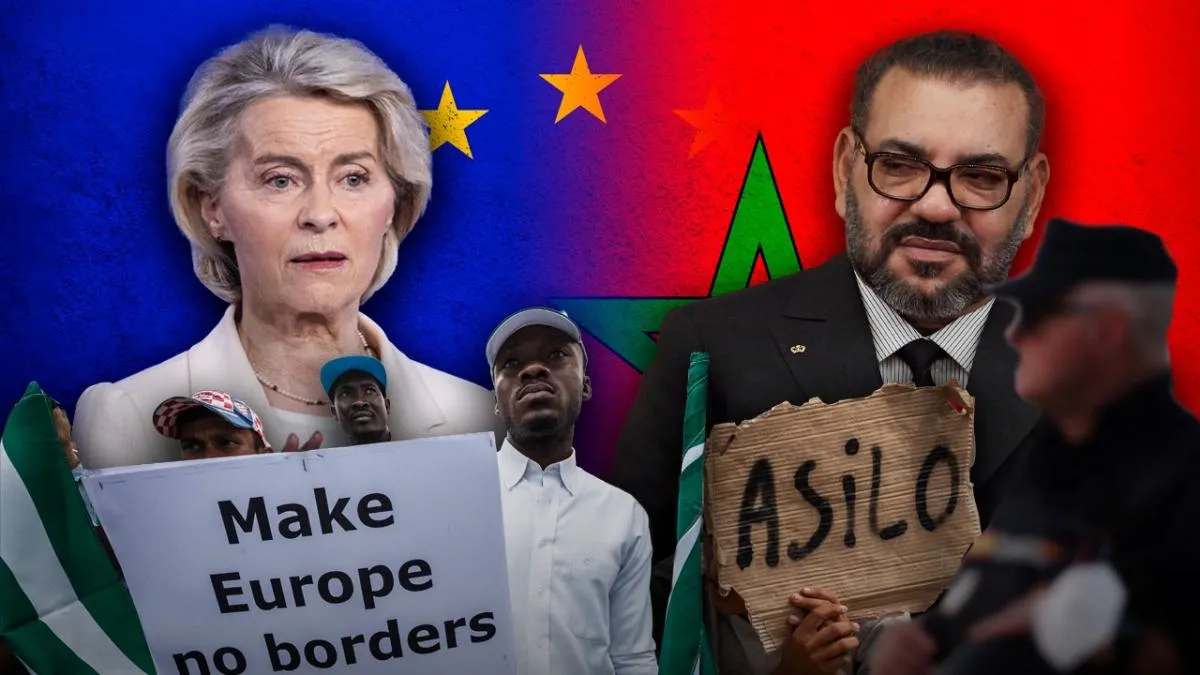
The recent migration crisis in the autonomous city of Ceuta, which witnessed a significant influx of migrants over the summer, has raised pivotal questions regarding the stance of the European Union (EU). This situation is not merely a reflection of member states like Italy making controversial decisions to close the Schengen area with Spain, but it also highlights the EU's cautious approach towards Morocco amidst indications of passivity from Moroccan forces during this critical period. Brussels has chosen to avoid directly holding Rabat accountable, opting instead to maintain a collaborative relationship crucial for ensuring Morocco's support in migration policies.
Strategic Cooperation Over Accountability
The European Commission has adopted a notably neutral position on Morocco's role during the Ceuta migration crisis, refraining from posing questions, issuing reproaches, or raising any doubts regarding Moroccan authorities. Instead, they have consistently labeled Morocco as a "strategic partner," despite Spanish reports calling into question the actions of Moroccan security forces. This diplomatic stance is underpinned by several factors: Morocco plays an essential role as a strategic ally for the EU in managing migration, security, and trade, which creates a significant level of mutual dependence. As noted by Davide Colombi, an expert at the Centre for European Policy Studies (CEPS), this reliance grants Morocco considerable influence over the EU's decisions and actions.
Moreover, the EU appears hesitant to exacerbate tensions that could jeopardize cooperation in border control and repatriation efforts. The necessity of maintaining amicable relations with Rabat is paramount for the EU to effectively manage migration flows. Colombi further emphasizes that this situation prompts crucial considerations regarding the EU's externalization strategy: the more the EU depends on third countries to curb migration, the more challenging it becomes to respond when those partners leverage migration cooperation for political gain.
In contrast, the EU tends to respond more severely to nations it perceives as hostile, as was evident in the case of Belarus during the 2021 migration crisis. Additionally, measures taken in response to such crises often disproportionately affect the vulnerable populations caught in these dynamics rather than holding accountable those responsible.
The EU's migration policy increasingly hinges on its relations with third countries of origin and transit. Under the framework of the Migration and Asylum Pact, this cooperation encompasses controlling irregular departures, combating trafficking networks, and enhancing border control capabilities among allied nations. Consequently, the EU relies on Morocco to manage departures, dismantle trafficking syndicates, and accept the return of migrants, while offering economic, financial, and political cooperation in return.
Morocco's position in this context is particularly sensitive due to its control over one of the EU's entry points via Spain. Following the Ceuta crisis, EU member states underscored the importance of strengthening ties with third countries like Morocco, which are pivotal for the EU's border management strategies. This cooperation is further supported by European funding, with Brussels allocating hundreds of millions of euros to migration programs in Morocco, much of which is aimed at border control. The irony of the situation is that the EU's dependence on Rabat's cooperation is crucial to prevent the very influxes that Spain is now investigating.
Earlier this month, amidst a Spanish police report suggesting that Moroccan armed forces had been permissive and may have even participated in the migrant movement, Brussels reaffirmed Morocco's status as a "strategic partner." In a recent address to the European Parliament, Ursula von der Leyen, the President of the European Commission, referred to the situation in Ceuta but refrained from assigning blame, stating, "The border of Ceuta is the European border. Because Ceuta is Spain and Ceuta is Europe. Europe will be there for you." Meanwhile, Morocco has distanced itself from any implication of responsibility, contradicting reports from Spanish intelligence.
As reported by eleconomista.es.