
Moroccan Human Rights Group Demands Accountability
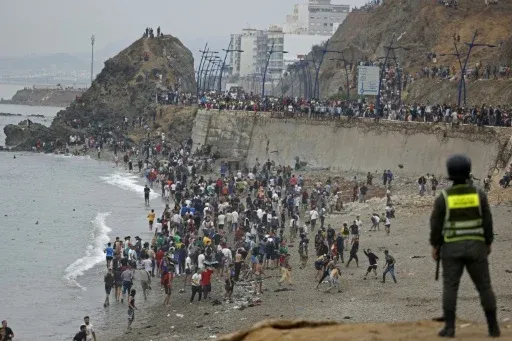
A prominent Moroccan human rights organization has issued a call for an independent inquiry into the tragic deaths and reported abuses that occurred during mass attempts to cross into the Spanish territories of Ceuta and Melilla in late July. The Moroccan League for the Defense of Human Rights revealed that it has gathered both field and medical evidence suggesting that live gunfire may have been utilized during these confrontations. This alarming claim necessitates thorough verification to ascertain whether any fatalities were indeed connected to the actions of security forces using firearms.
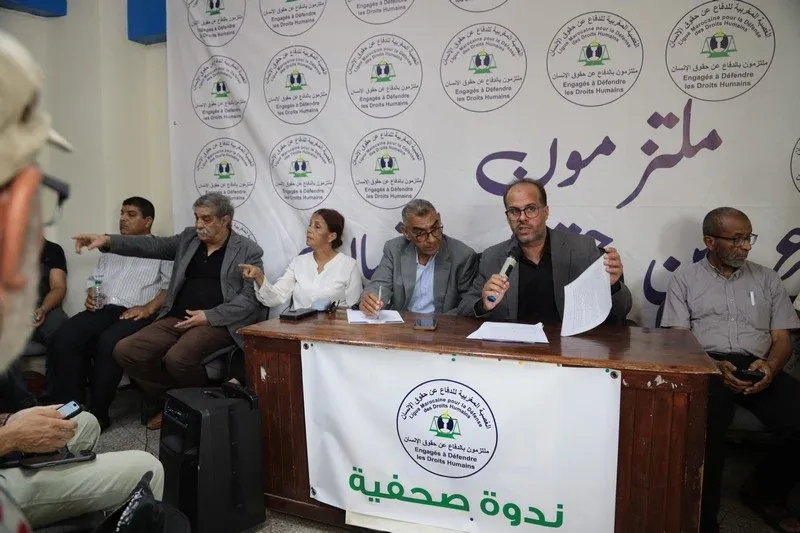
At a recent press conference, the league presented a detailed report addressing the migration events, highlighting the staggering loss of life and the significant inconsistencies in casualty figures that emerged from their findings. The organization pointed to these conflicting statistics as indicative of a lack of coherent and transparent record-keeping. This absence has posed substantial challenges for families seeking clarity on the status of their loved ones. Furthermore, the report underscored potential coordination issues among various entities, including hospitals, police, prosecutors, border authorities, and organizations responsible for body preservation.
Urgent Need for Transparent Investigations
The league has urged the relevant authorities to identify each victim meticulously, documenting the time, location, medical cause of death, autopsy results, and the circumstances leading up to each incident. They have also called for a swift, independent, and effective investigation into every death associated with the use of force, rescue operation delays, or failures to provide necessary assistance. Adel Chikito, the league’s president, emphasized that the report has uncovered serious allegations of excessive force employed by both Moroccan and Spanish security personnel, including accounts of beatings, kicks, stone-throwing, and other forms of degrading treatment.
To substantiate these claims, the organization has collected video footage and testimonies that require an independent technical and judicial review to ascertain the timeline and location of events, identify those involved, and evaluate if the force used was proportional to the threats faced. Chikito articulated the league's recognition of the right of states to safeguard their borders and prevent unauthorized crossings. However, he firmly stated that the legitimacy of such objectives does not justify all means employed in achieving them.
While acknowledging the need for border security, the league condemned acts of violence and vandalism reported during the crossings, including property damage and injuries among security forces and civilians. The organization contended that individuals engaging in criminal acts should be held accountable for their actions, emphasizing that the misdeeds of a few should not lead to collective punishment of thousands, depriving them of essential resources such as water, medical care, and legal protections.
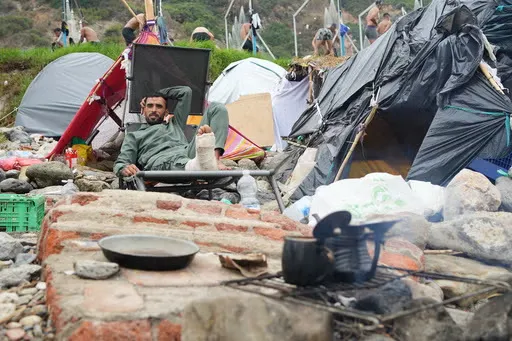
The report also sheds light on the dire situation faced by women and girls during these events. The lack of adequate shelter and secure sanitation facilities has rendered them vulnerable to harassment and sexual violence. The league reported testimonies from women who have experienced repeated harassment and attempted assaults, particularly during nighttime visits to toilets. It also noted alarming cases of alleged sexual assaults involving minors, underscoring the urgent need for safe spaces, confidential reporting mechanisms, and immediate medical and legal assistance for victims.
Children were another focal point of the report, with numerous minors reportedly stranded in perilous conditions, either on the streets or in overcrowded reception centers, often separated from their families. The league received disturbing accounts of minors facing physical and verbal abuse. They reiterated that children should not lose their rights due to irregular border crossings and called for prioritizing the best interests of the child in all decisions, including age assessments conducted respectfully. Moreover, they advocated for legal representation, access to basic needs, and individual evaluations prior to any repatriation, taking into account the child’s perspective and family circumstances.
As reported by en.hespress.com.