Ceuta's Crisis Ignites Nationwide Protests in Spain
Ceuta, a small enclave of Spanish territory situated on the northern coast of Africa, typically observes its annual holiday on September 2 with little fanfare from the mainland. However, this year's celebrations were dramatically overshadowed by an unprecedented border crisis that has gripped the region, prompting widespread protests across Spain. Tens of thousands of demonstrators took to the streets on Wednesday, demanding solutions to the ongoing humanitarian crisis in Ceuta and voicing their discontent with Prime Minister Pedro Sánchez's handling of the situation. In Madrid alone, authorities estimated that around 50,000 individuals participated in the protests. As the demonstrations concluded, reports emerged of shots and explosions, with Spanish newspaper El País indicating that police resorted to rubber bullets and tear gas to disperse the crowds.
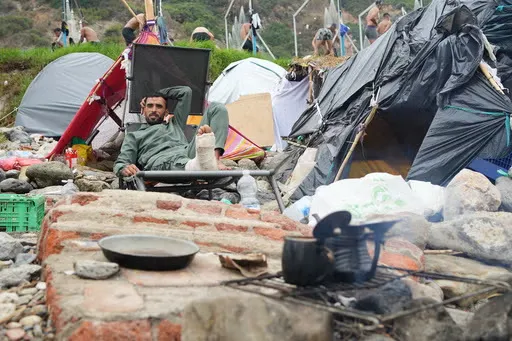
Demonstrators in major cities such as Barcelona, Valencia, and Seville echoed the sentiments of those in Madrid, brandishing Spanish flags and chanting slogans like "A united Ceuta will never be defeated" and "Sánchez to prison!" The protests were fueled by deep-seated frustrations over the presence of thousands of migrants still residing in the city, following a chaotic surge in late July that saw approximately 72,000 people attempt to cross into Ceuta. Tragically, at least 90 individuals lost their lives in this desperate bid to reach European shores. While many migrants were quickly returned or escorted back to Morocco, around 5,000 remained in Ceuta weeks later, including 1,200 minors, as the local government grappled with the aftermath of this crisis.
The Political Ramifications of the Ceuta Crisis
The sudden influx of migrants into a city with a population of approximately 84,000 has strained local resources and incited anger among residents. Ceuta's regional leader, Juan Jesús Vivas, characterized the situation as a violation of Spain's territorial integrity rather than merely a migration crisis. As a member of Spain's conservative Popular Party, Vivas has aligned with the far-right Vox party, both of which are leveraging the crisis to mount a political challenge against the left-wing national government in Madrid.
The protests, officially organized by the nonpartisan Spanish Federation of Municipalities and Provinces, received substantial backing from the Popular Party and Vox, both staunchly opposed to irregular migration. Spain’s Minister of Territorial Policy, Ángel Víctor Torres, contended that the protests were politically charged rather than genuine expressions of support for Ceuta's residents. In response to the crisis, the Spanish government has allocated 309 million euros to bolster social services in Ceuta, focusing on housing for migrants and enhancing security. However, the government has faced scrutiny over its claims that it has not neglected Ceuta, as many question whether Morocco could have taken more proactive measures to avert the breach.
Prime Minister Sánchez has defended the Moroccan authorities, asserting their swift cooperation in returning most migrants. Nevertheless, he has also suggested, without providing evidence, that foreign elements may have contributed to the chaos surrounding the border crisis, pointing to disinformation campaigns allegedly linked to Russia and Israel. These allegations have been met with skepticism, as both nations have denied involvement in disseminating false information.
Despite the government's efforts to manage the situation, many migrants, including unaccompanied minors, continue to sleep on the streets and camp on local beaches, expressing their desperation for a resolution. As Vivas called for increased reinforcement of the border with Morocco, he highlighted the need to prevent migration from being exploited for political gain. In a video message, Sánchez assured that his administration is fully committed to restoring a sense of tranquility to Ceuta's residents. The holiday that commemorates Ceuta's historical significance, marked by the arrival of the first Portuguese governor in 1415, is now overshadowed by the urgent need for resolution and support amidst an ongoing crisis.
As reported by whec.com.