Morocco's Commitment to Regional Stability
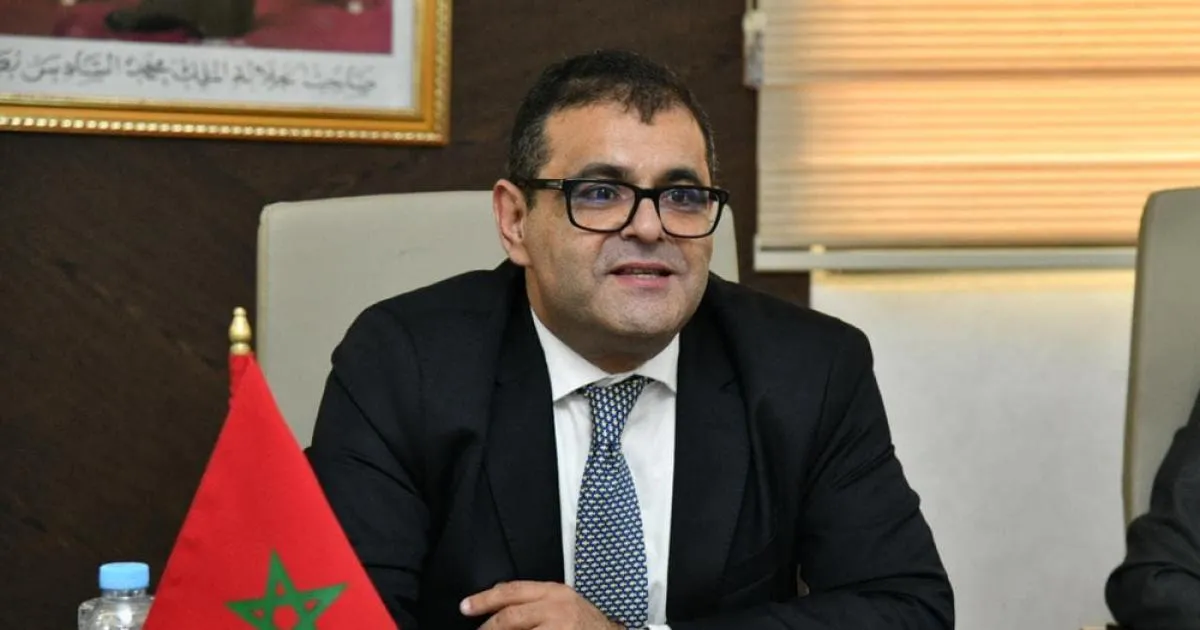
During the recent 52nd session of the Foreign Ministers of the Organization of Islamic Cooperation (OIC) held in Baghdad, Morocco reiterated its stance that effective containment of regional crises cannot be achieved through escalation and confrontation but rather through respecting the sovereignty of nations and their territorial integrity. The Moroccan delegation, represented by Fouad Yazough, the Director General of Political Affairs at the Ministry of Foreign Affairs, emphasized the importance of dialogue and peaceful means in addressing disputes. This position underscores Morocco's commitment to preventing the escalation of conflicts and ensuring regional stability while firmly rejecting any acts of aggression targeting Arab and Islamic nations. Yazough highlighted Morocco's unwavering stance against the transformation of maritime corridors into tools of political coercion.
Support for Member States and the Palestinian Cause
Morocco's firm support for OIC member states facing violations of their sovereignty and territorial integrity was a significant part of the discussions, with Yazough denouncing recent aggressions against Saudi Arabia, particularly those affecting sacred sites and critical infrastructure. This solidarity transcends mere political support, as it emphasizes that the security of Saudi Arabia and the sanctity of its holy places are integral to the regional stability framework that Morocco seeks to protect from threats and attempts to impose facts through force. Furthermore, Morocco's insistence on respecting sovereignty reflects a broader commitment to refusing to allow political disputes to justify encroachments on nations or their territorial integrity, especially in light of the growing security and economic challenges facing the region. The call for dialogue and mediation is a reflection of Morocco's aim to prevent crises from escalating into open conflicts, which could have far-reaching consequences.
Morocco's approach is also evident in its stance on the disturbances affecting vital maritime corridors, particularly the Strait of Hormuz and Bab-el-Mandeb, given the risks these pose to international shipping and energy supply chains. Yazough warned that simultaneous escalation in these areas could lead to dual pressures on global trade, particularly with the ongoing closure of the Strait of Hormuz and military operations by the Houthi group aimed at seizing control of the Yemeni coast along Bab-el-Mandeb. In light of these dangers, Morocco has emphasized that strategic maritime routes are not the exclusive property of any party but are a shared responsibility that necessitates ensuring their security and maintaining the flow of navigation. This led to Morocco's earlier call during the 81st session of the United Nations General Assembly for the establishment of a code of conduct for states bordering straits and maritime passages, aimed at setting proactive rules to prevent their use as tools for political and economic pressure.
This initiative reflects Morocco's forward-looking approach to addressing maritime threats through shared rules and preventive mechanisms, rather than merely reacting after crises occur. It also highlights the understanding of the critical importance of securing these passages for global economic stability, given their connection to trade movement and energy supplies, and the potential repercussions that disruptions could have beyond the region. On the Palestinian issue, Morocco reiterated that the cause remains a top priority in its foreign policy under the leadership of King Mohammed VI, the President of the Al-Quds Committee. The Kingdom reasserted its support for the legitimate rights of the Palestinian people to establish an independent state based on the June 4, 1967 borders, with East Jerusalem as its capital, considering the Gaza Strip as an integral part of this state, in accordance with the two-state solution and relevant international resolutions.
Morocco's role in this file extends beyond political and diplomatic positions, encompassing on-ground efforts undertaken by the Bayt Mal Al-Quds Al-Sharif Agency, the executive arm of the Al-Quds Committee, through projects aimed at supporting the resilience of Jerusalemites and preserving the cultural and spiritual identity of the city. This combination of diplomatic initiatives and fieldwork illustrates Morocco's unique approach to the issue of Jerusalem, as it seeks to link the defense of Palestinian rights with practical measures that alleviate the pressures faced by the population and maintain the city's religious and historical significance.
At the level of the OIC, Morocco called for the development of unified and responsible positions regarding the political, economic, humanitarian, and security crises facing member states, emphasizing the necessity of respecting their sovereignty, rejecting interference in their internal affairs, confronting sectarianism, and combating hate speech and Islamophobia. This reflects Morocco's intention to combine solidarity with targeted nations and the defense of the Palestinian cause while advocating for preventive arrangements that protect maritime corridors from political and military exploitation. Such an approach relies on diplomatic efforts, international norms, and collective cooperation in addressing crises intertwined with security, political, and economic considerations, reaffirming that regional stability cannot be guaranteed without respecting sovereignty and prioritizing peaceful resolutions over the logic of force.
As reported by middle-east-online.com.