
A Gripping Tale of Exploitation and Resilience
Laila Marrakchi’s film, “Strawberries,” which premiered in the Un Certain Regard section of the Cannes Film Festival, offers a haunting exploration of modern-day slavery and sexual exploitation, set against the backdrop of sprawling agricultural farms in Spain. This poignant narrative continues the trend of Moroccan cinema at the Oscars, which has recently seen female directors and protagonists taking center stage. While previous films showcased women discovering joy amidst adversity, “Strawberries” presents a stark contrast; the women here face brutal realities, stripped of hope and dignity as they navigate a system designed to exploit them.
The film centers on the lives of immigrants who arrive in Spain under the false promise of earning a decent wage—up to 35 Euros per day—for agricultural work. Instead, they are met with grueling labor conditions and constant deductions from their pay, reflecting a grim reality faced by many in the workforce. Marrakchi’s storytelling is imbued with empathy, portraying the struggles of these women with a sense of humanity, even as they confront an unforgiving environment that offers little respite.
Complex Characters and Harrowing Circumstances
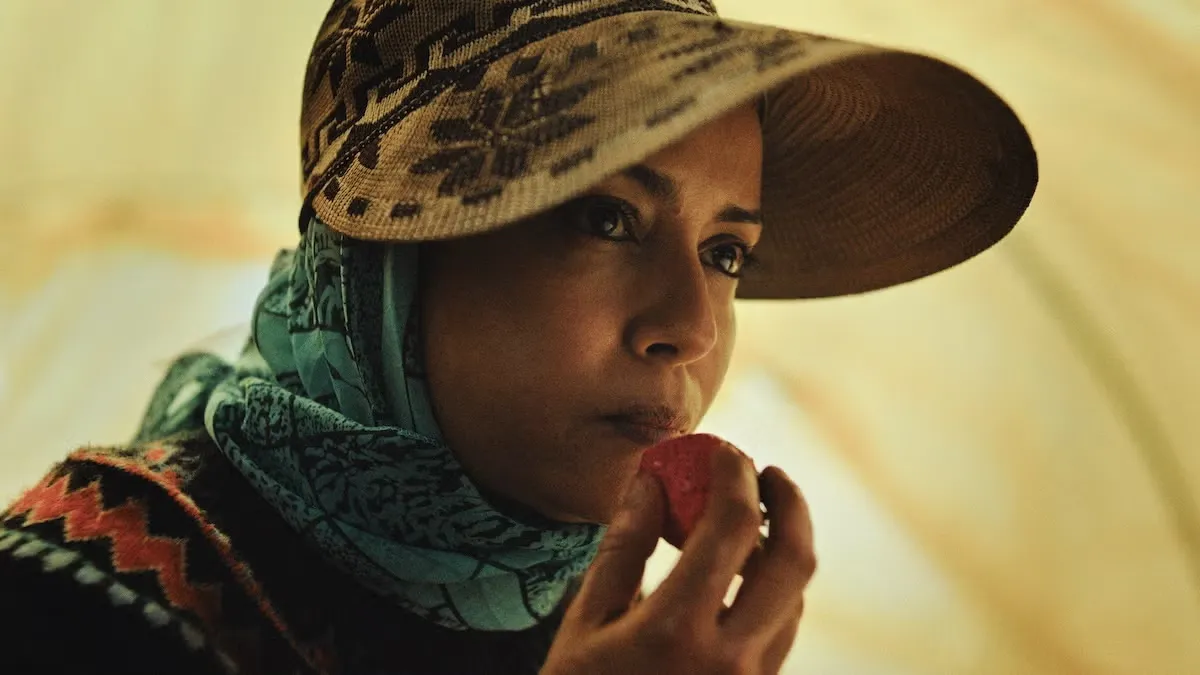
The narrative follows two central characters, Hasna (played by Nisrin Erradi), a former Olympic gold medalist in taekwondo whose career ended in scandal, and Meriem (Hajar Graigaa), a younger woman from a rural background who becomes Hasna’s confidante during their journey from Morocco to Spain. From their arrival, the initial glimmer of hope quickly fades as they realize the harsh realities of their situation; they are thrust into a world where they are subjected to undisclosed fees and relentless labor demands, depicted with raw honesty by Marrakchi.
As the plot unfolds, viewers witness the stark contrast between the characters' aspirations and the oppressive environment they inhabit. The film’s pacing is deliberately slow, allowing for a fragmented narrative that mirrors the disjointed lives of the workers. Hasna and Meriem gradually uncover the exploitation surrounding them, revealing a community bound by the fear of losing what little they possess. Scenes of camaraderie are juxtaposed with instances of violence and intimidation, highlighting the precariousness of their existence.
In a particularly harrowing sequence, Hasna resorts to her martial arts training to confront an overseer, showcasing her fierce spirit in the face of oppression. Meanwhile, Meriem’s plight becomes even more dire as she grapples with an unexpected pregnancy and the perils of seeking medical help, further complicating their struggle for survival. The film powerfully illustrates the systemic failures that keep these women trapped in a cycle of exploitation, as they seek assistance from legal aid organizations only to be met with indifference and complicity from authorities.
Ultimately, “Strawberries” offers a profound commentary on the human condition, capturing both the despair and resilience of women facing insurmountable odds. While it draws on real stories of exploitation in the Mediterranean, it also serves as an indictment of a system that thrives on inequality and injustice. Through Marrakchi’s lens, the film not only sheds light on the harsh realities of immigrant labor but also celebrates the indomitable spirit of those who refuse to be silenced.
As reported by thewrap.com.