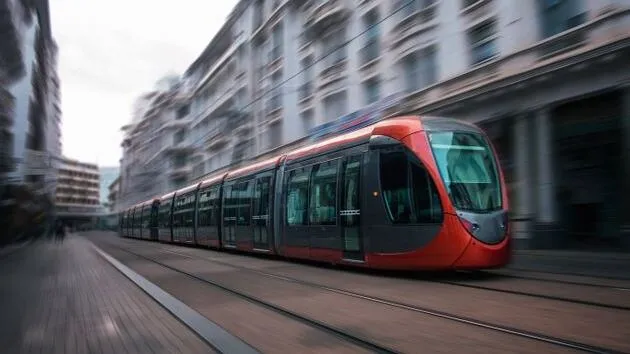

Transforming Mobility in Casablanca
In anticipation of the 2030 World Cup and the pressing challenge of urban expansion, the city of Casablanca is embarking on an ambitious overhaul of its transportation network. This initiative aims to enhance mobility while prioritizing sustainable transport options, including the reconfiguration of tram lines, bus routes, and the introduction of a regional express rail system (RER). As highlighted by the daily newspaper Al Ahdath Al Maghribia, the city is responding to the imperative need for a modernized transport infrastructure to support significant projects such as the Grand Stade Hassan II in Ben Slimane, which will accommodate 115,000 spectators, and the expansion of Mohammed V Airport into a thriving international hub.
A Comprehensive Urban Mobility Plan
Casa Transport has initiated an international call for tenders to update the Urban Mobility Plan (PDU), which will be guided by an eight-month strategic study. This study is designed to create an integrated vision for the city's transport network by 2030. The project will utilize advanced digital models to simulate transport scenarios based on the results of a 2024 census and data analytics. Among the top priorities identified are new public transport lines that will operate within dedicated corridors, effectively acting as major arteries supported by the RER system.
Moreover, the plan includes a complete redesign of roadways to alleviate traffic congestion and a restructuring of the bus network for seamless integration with the tram and Busway systems. To encourage public transport usage, park-and-ride facilities will be established at the city's entrances, incentivizing residents to leave their cars behind. The initiative also emphasizes the adoption of clean energy solutions, such as hydrogen and electric buses, ensuring that future public transportation is environmentally friendly.
Central to this plan is the management of spectator flows during large events, especially the World Cup, with detailed models for fan movement and emergency plans. The overarching goal transcends the event itself; it aims to create a lasting legacy of transportation infrastructure that enhances daily mobility for the residents of Casablanca. With technical support from the French Development Agency (AFD), this initiative is strategically positioned to transform Casablanca into a city capable of accommodating millions of visitors while maintaining efficient transportation in one of Morocco's key demographic and economic regions.
In addition, Casa Transport is actively pursuing a comprehensive study to assess the environmental and social impacts of the recently operational third and fourth tram lines. This initiative is projected to cost around two million dirhams and will involve public sessions to ensure transparency in the process. The study will focus on energy efficiency and user satisfaction, leveraging field surveys and daily usage data analysis of the tram lines. Plans are also underway for a dedicated traffic light system for tram lines T3 and T4, along with public lighting upgrades for rapid bus lines, with a similar budget allocation. By 2027, a new generation of buses will be introduced, further enhancing the Busway service and expanding the tram network. The establishment of a regional rapid train service connecting Ben Slimane to Nouaceur is a central element of this plan, which is expected to relieve road congestion and improve overall service delivery.
As reported by fr.le360.ma.