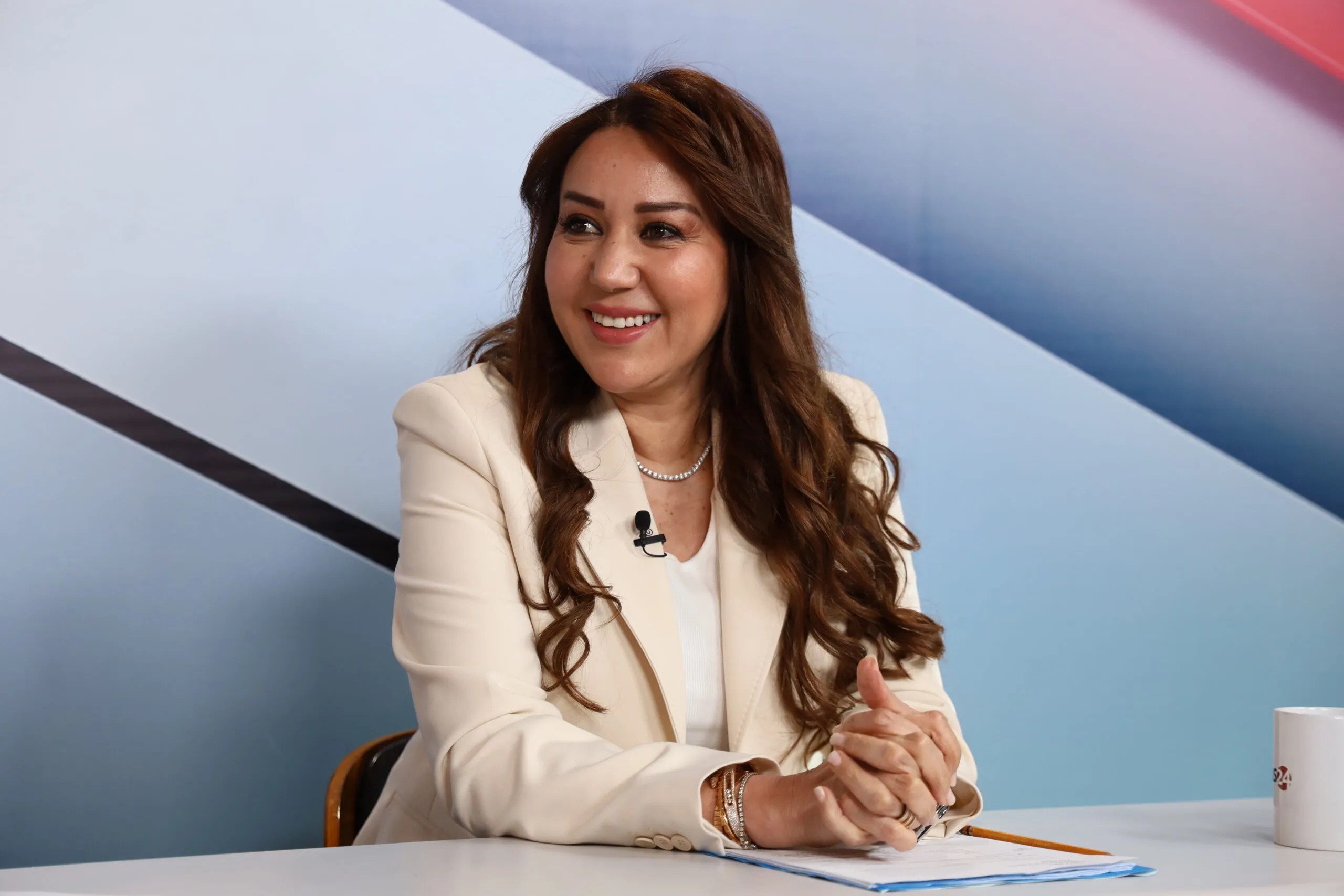

In a recent interview on Médias24's "Le 12/13" program, Nabila Rmili, the president of the Casablanca city council, provided an in-depth overview of the significant urban projects currently underway in the city. These projects include the Royal Avenue, the rehabilitation of Derb Ghallef, the urban planning of Hay Mohammadi, a new waste disposal and recycling center, and the central market. During the discussion, she highlighted the progress of each initiative, acknowledged the challenges faced, and defended the decisions made by her administration.
As her term approaches its conclusion in just over a year, Rmili emphasized her commitment to sustainability and the weight of her responsibilities as the first female mayor of Casablanca. She described her role as one that requires patience, serenity, and a deep understanding of the needs of the community. "Political work demands empathy and active listening," she stated, underscoring the collaborative nature of her decision-making process, as she never acts unilaterally.
On the matter of her relationship with the wali and local governors, Rmili advocates for a harmonious model based on mutual respect for each entity's prerogatives, as outlined in law 113-14. She clarified that while each party has distinct responsibilities, the mayor remains the sole executive officer of the city.
When asked about the compatibility of holding both a mayoral and ministerial position, she expressed clear reservations, noting the significant challenges involved in managing such dual roles, especially in a major metropolis. However, she did find the combination of mayor and deputy to be "desirable to some extent" for the sake of institutional continuity.
Avenue Royale: A Green Project with No New Construction
Regarding the Royal Avenue project (officially named Mahaj Malaki), Rmili confirmed that it is envisioned as a 50-hectare green space connecting the Hassan II Mosque to the city center, with no new constructions planned. "This project will narrate Casablanca's history through its green spaces, and I believe it will become the largest urban green space in Africa within a city center," she declared enthusiastically.
She emphasized that the project is purely focused on enhancing the environment and that no buildings will be erected. Although she has not yet seen the final design, she assured that architects are diligently working on it, funding has been secured, and execution is expected over the next three years. Concerning the ongoing demolitions, Rmili explained that they are managed directly by the relevant authority and involve only structures deemed at risk of collapse, with no cultural heritage buildings affected.
Derb Ghallef: Expropriation Approved, Compensation Forthcoming
On the subject of the redevelopment of the Derb Ghallef market, Rmili articulated the challenge of modernizing this vital economic hub while preserving its essence. "The objective is to maintain its economic role while acknowledging the skills of the young entrepreneurs operating within the market," she explained. The city council has voted for the expropriation of 54,000 square meters where the market is located, as it has been identified as public property. The neighborhood's urban planning plan, a necessary legal precursor, has now been approved by the central commission.
The next step involves compensating the rightful owners, including private property holders and communal land. "It is our obligation to pay the owners, plain and simple," she stated, although no delivery date has been established. Regarding the continuity of business operations during construction, Rmili mentioned the possibility of a temporary relocation strategy, drawing parallels to the successful relocation of 150 vendors from the Bab Marrakech market during its reconstruction.
For further details on these urban development initiatives and insights from Mayor Nabila Rmili, please refer to the full article on medias24.com.