

Understanding the Situation in Ceuta
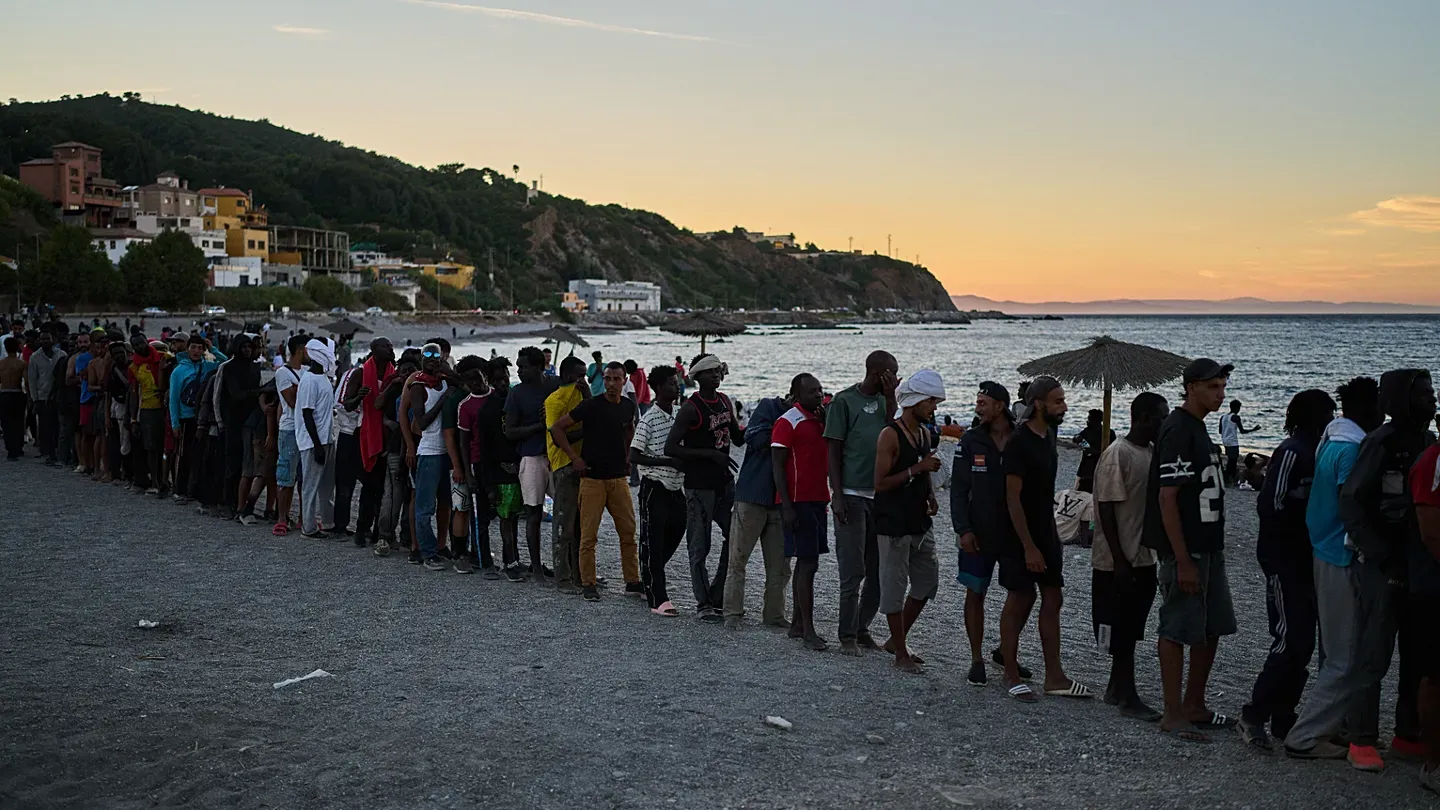
In a pressing response to the ongoing migrant crisis, Juan Jesús Vivas, President of the Autonomous City of Ceuta, has formally appealed to the central government for additional funding, asserting that it is crucial for addressing what he deems an untenable situation. This urgent request follows a significant influx of migrants, with estimates by the city’s own government suggesting that between 8,000 and 11,000 individuals remain in Ceuta after a massive border crossing from Morocco on July 30. Among these migrants are a number of minors, although precise figures remain unclear at this time.
Vivas’ demand consists of three key points aimed at reinforcing Ceuta’s security and managing the crisis effectively. Firstly, he calls for an increase in the presence of state security forces, whom he acknowledges have been performing admirably under heavy strain but require urgent reinforcement. Secondly, he seeks additional personnel and material resources within the immigration services to expedite the repatriation processes. Lastly, he insists on the continued presence of military forces in Ceuta to ensure border security.
Future Considerations and Governmental Accountability
Emphasizing the importance of maintaining Spanish control over border security, Vivas argues that reliance on a third party could lead to similar crises in the future. He maintains that the only viable resolution to the current situation is the return of all individuals who crossed the border to Morocco during the mass influx, specifically through the Tarajal border crossing. Vivas is unequivocal in his stance that there will be no legalization of residency or transfers to the Spanish mainland for those still in Ceuta.
In his view, this return is not merely a logistical necessity but a prerequisite for the future stability of Ceuta. He argues that any possibility of permanent settlement for the migrants could foster new incidents, generating an atmosphere of uncertainty detrimental to the city’s stability and development. Following the crisis, the Spanish Ministry of the Interior reported that approximately 72,000 individuals crossed the border, with around 70,000 having already returned to Morocco, highlighting the scale of the situation.
Vivas criticizes the central government for suggesting that normalcy has returned to Ceuta, asserting that this perception is misleading and far from reality. He expressed his frustration over the government's handling of the events on the day of the mass crossing and questioned claims regarding Morocco's cooperation with Spain. Despite his criticisms, the President urges the community of Ceuta to remain united, working to alleviate fears of a recurrence of such events by advocating for both deterrent and preventative measures.
Recognizing the precarious future of Ceuta, Vivas remains committed to institutional loyalty and civic responsibility while demanding swifter and more decisive actions from the Madrid cabinet.
As reported by de.euronews.com.
