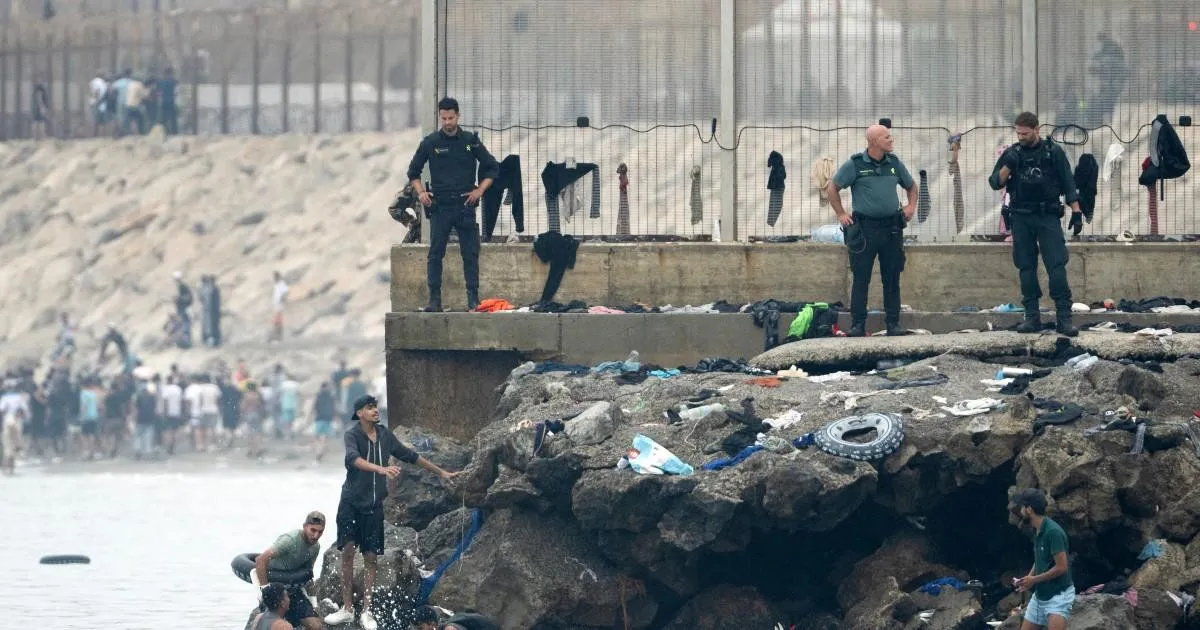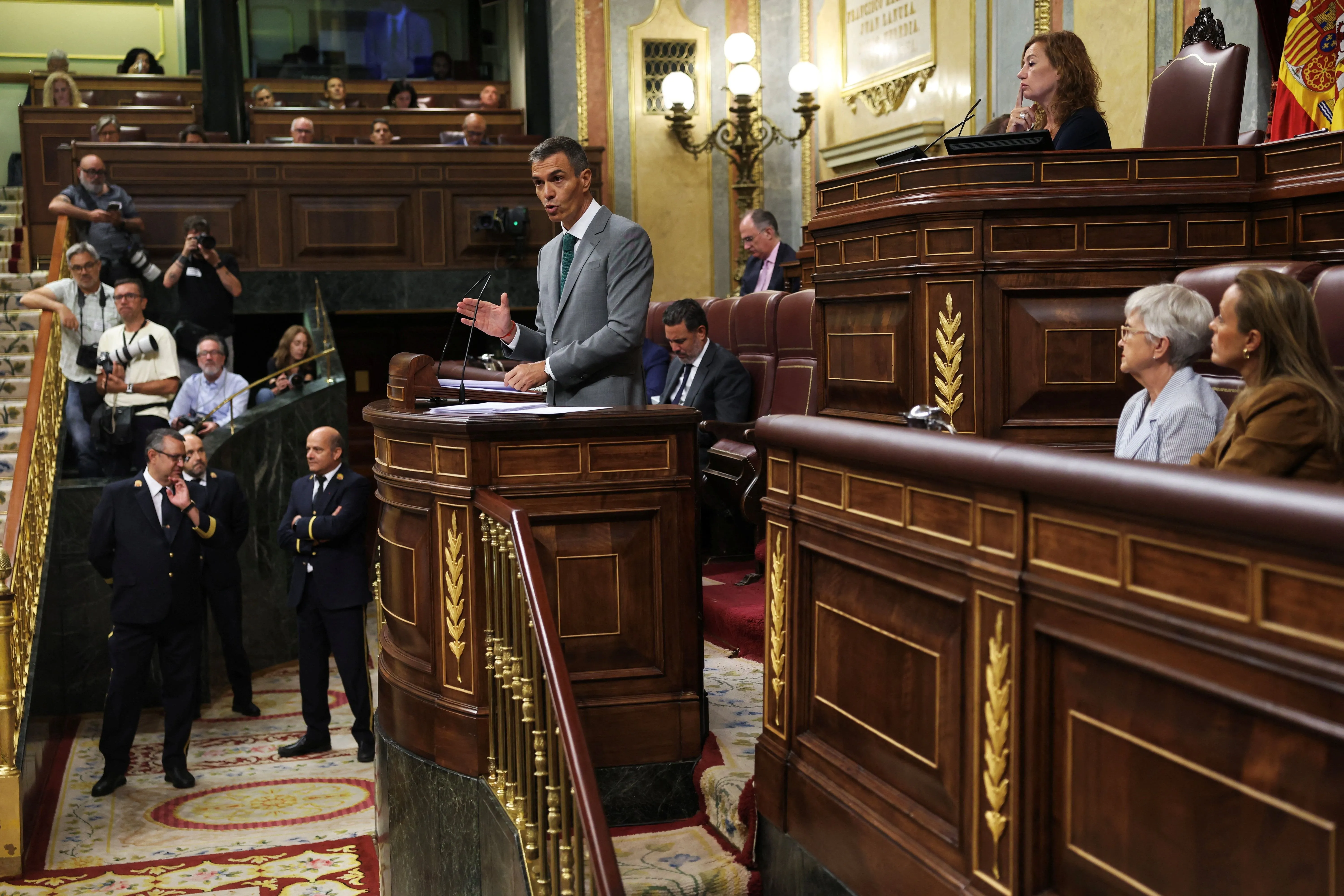

The Spanish enclave of Ceuta in North Africa continues to grapple with the repercussions of a massive influx of migrants. In late July, approximately 72,000 individuals crossed into Ceuta from Morocco, seeking refuge and better opportunities. Although Spain's Prime Minister Pedro Sánchez announced on August 1 that his government had successfully repatriated "almost all" of those who crossed the border illegally, the reality is that around 5,000 migrants remain in the small city, highlighting significant gaps in the government's response to this crisis.
One of the critical challenges facing Ceuta is the lack of adequate accommodation for these migrants. Many have resorted to camping on the streets and beaches or finding refuge in the outskirts of the city, leading to concerns among local residents about their safety and feelings of neglect by the central government in Madrid.
In response to the government's handling of the migrant situation, residents organized protests last Wednesday, voicing their frustrations and demanding more effective solutions. This sentiment resonated across Spain, with solidarity demonstrations held in various cities; in Madrid alone, approximately 50,000 people participated in the rallies in support of Ceuta.
As Spain struggles to manage this complex humanitarian crisis, questions arise about the adequacy of its response mechanisms and the long-term implications for both migrants and residents alike.
As reported by handelsblatt.com.