
Fears of New Mass Migration from Morocco Ignite Concerns in Ceuta
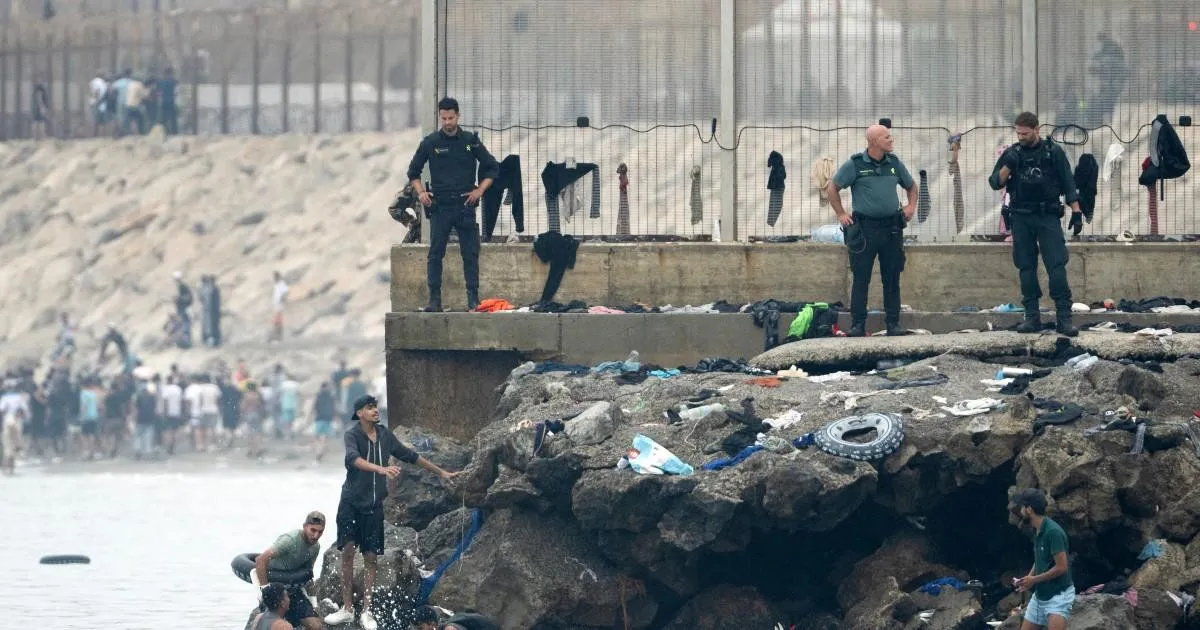
Ceuta, a Spanish autonomous city located on the northern coast of Africa, is currently grappling with the aftermath of a significant influx of migrants that occurred on July 30, when approximately 80,000 individuals entered the city. Official estimates suggest that around 10,000 migrants are still residing in the area, although accurately assessing their numbers is challenging due to their scattered living conditions, which include makeshift camps along beaches, mountains, and even in private residences. The situation has escalated to a critical point, leading to heightened anxiety among Ceuta's residents regarding a potential new wave of mass migration, especially with rumors circulating about a planned mobilization from Morocco on September 20.
The source of this anxiety stems from a recent social media campaign in Morocco that calls for a "popular march" aimed at demanding the "liberation" of Ceuta, Melilla, and other islands that Spain controls but Morocco claims as occupied territories. This mobilization is set to take place three days before Morocco's legislative elections and is believed to be part of a broader strategy by certain Moroccan government officials who have publicly stated the need to reclaim these territories. High-ranking officials, including the Moroccan Minister of Islamic Affairs, Ahmed Toufiq, and the Minister of Justice, Abdellatif Ouahbi, have alluded to the necessity of addressing what they term as the occupation of these cities.
Residents of Ceuta express their deep concerns, with one local stating, "There is no room for one more person here; just look at the current situation." The sentiment among the populace is that Morocco continues to exert pressure because it perceives the Spanish government's response as inadequate. A border surveillance worker noted the similarities between this upcoming march and previous calls for similar actions, emphasizing that these events form part of Morocco's strategy to leverage its position in this ongoing territorial dispute. The Spanish security services, including the National Police, Civil Guard, and military intelligence, are closely monitoring the situation to ascertain the organizers behind this call to action and to determine whether there is any potential for these online movements to translate into real-world protests.
As reported by eldebate.com.