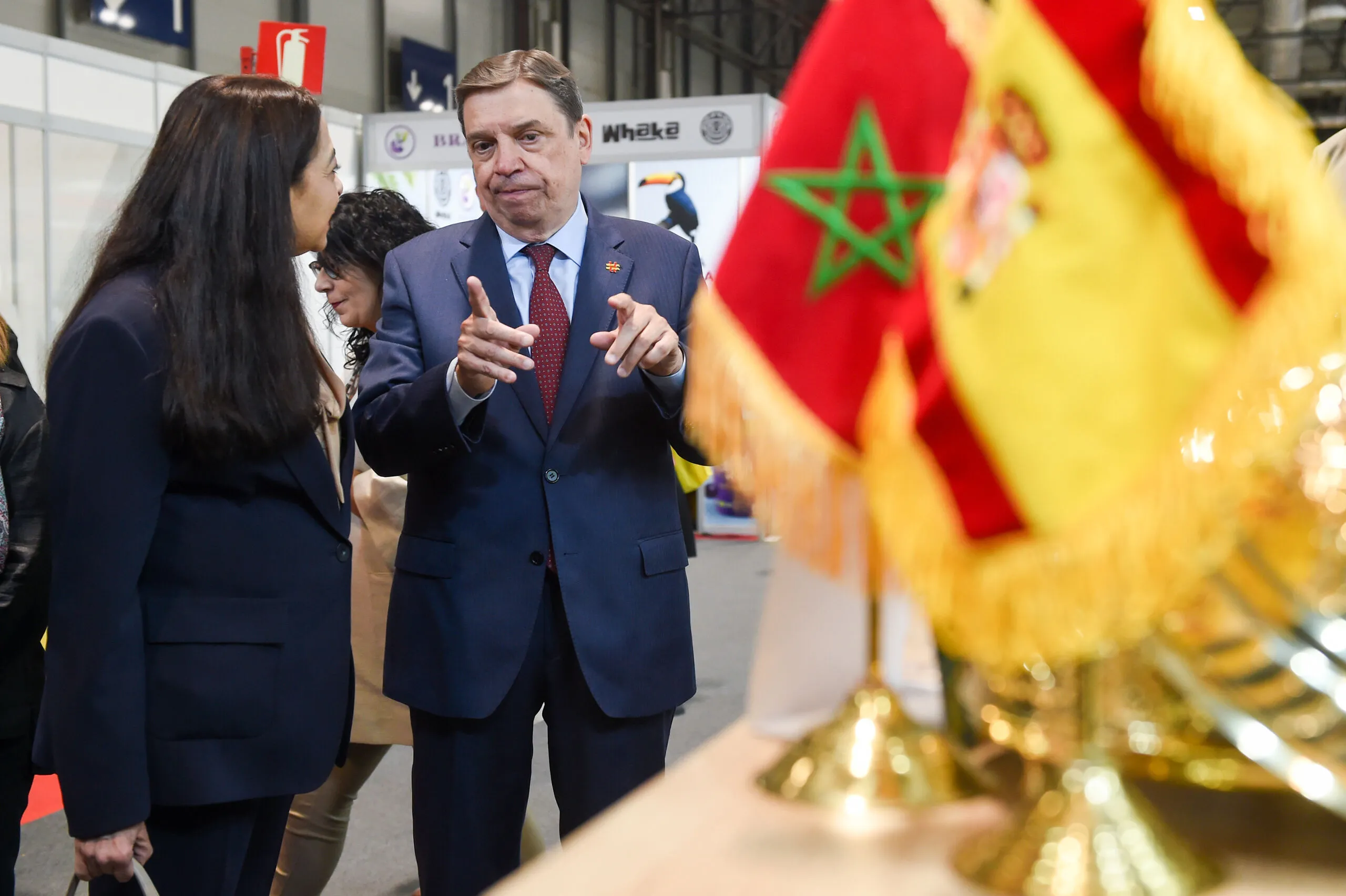

Hours before Ceuta faced the overwhelming influx of tens of thousands of immigrants, the Minister of Agriculture, Fisheries, and Food, Luis Planas, was attending a reception at the Moroccan Embassy in Madrid. He was the only government minister present at the Throne Day celebration on July 30th. Meanwhile, across the Strait, one of the most serious episodes in Spain's recent history was unfolding.
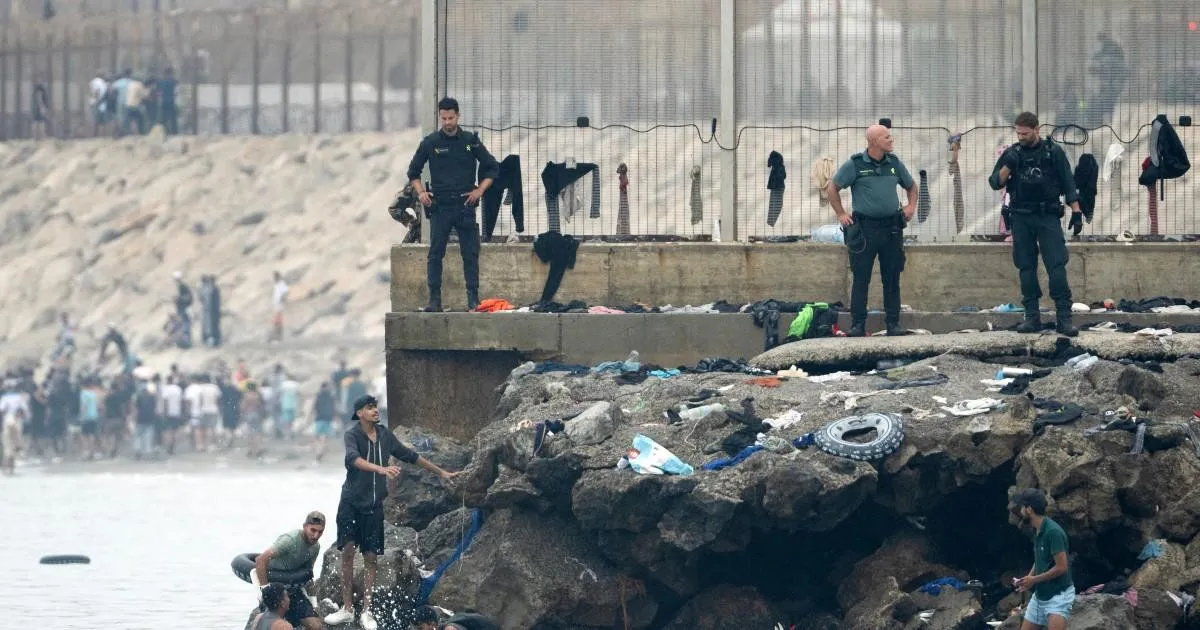
Shortly thereafter, the autonomous city was inundated by over 70,000 individuals. According to a National Police report, tens of thousands of immigrants surged towards the border from Moroccan territory in a massive assault coordinated by agents from the Moroccan government. In a matter of hours, Ceuta was overwhelmed, and the security forces found themselves facing an unprecedented wave of arrivals with minimal resources at their disposal.
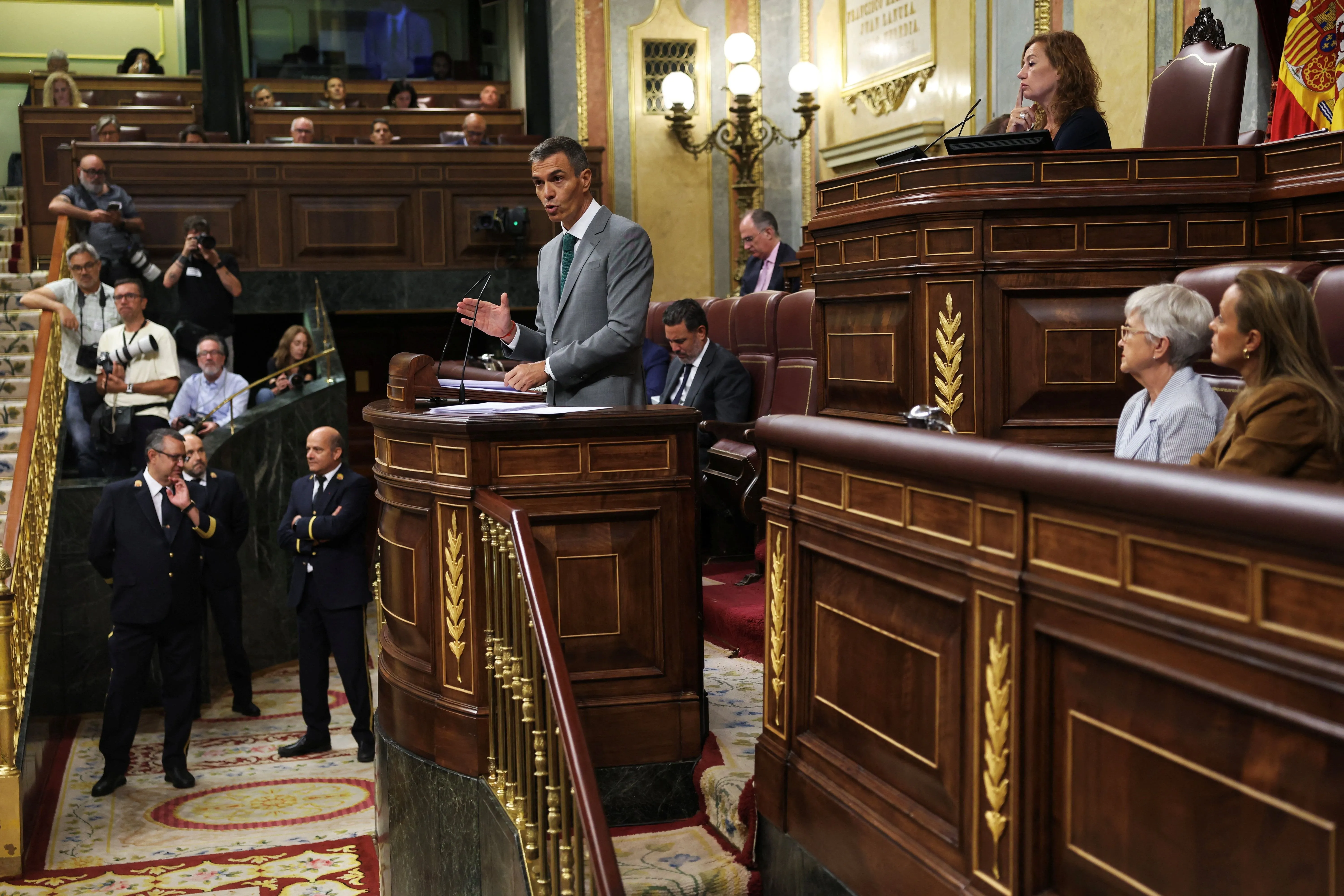
Prime Minister Pedro Sánchez made a brief visit to the region, attributing the crisis to traffickers while defending Morocco. Just 105 minutes later, he boarded the Falcon and left for vacation at La Mareta. Following this, a slew of ministers arrived, including Fernando Grande-Marlaska, José Manuel Albares, Margarita Robles, Mónica García, Elma Saiz, and Sira Rego. This was accompanied by an onslaught of statements, promises, and excuses, with one constant theme: praise for Rabat and its excellent cooperation. However, Luis Planas remained conspicuously silent.
Planas: The Missing Voice
The Minister of Agriculture's absence is notable. More than a month after the invasion, he continues to remain silent, having yet to publicly articulate his thoughts on the situation or evaluate Morocco's role in the assault. This is particularly striking given that Planas is not just any minister when it comes to Morocco.
Having served as Spain's ambassador in Rabat from 2004 to 2010, he possesses an intimate understanding of the country. Over those six years, he navigated one of Spain's most sensitive diplomatic posts and closely monitored the bilateral relationship between the two nations. Now, as the head of the Ministry of Agriculture, Fisheries, and Food, his position is especially precarious regarding Morocco, as much of the bilateral relationship is negotiated within his purview.
Agriculture, fisheries, and agri-food commerce are fundamental components of Spain's relationship with Morocco. Spain is a major entry point for Moroccan goods into the European Union, serving as a significant market for their agricultural and fisheries products. The economic ties between the two countries are intertwined, leading to mutual dependency. Given this backdrop, Planas is acutely aware of the stakes involved.
The Economic Landscape and Political Implications
Morocco stands as a crucial trading partner for Spain, with one in five of its exports destined for the Spanish market. In the agri-food and fishing sectors, Morocco ranks as Spain's 12th largest buyer and 8th largest supplier globally. The trade balance has been negative, consistently hovering around one billion euros since at least 2020. In 2024, Spanish exports to Morocco totaled €3.795 billion, a decrease of 6.7% from the previous year, while imports reached €5.212 billion, an increase of 3.9%.
This commercial exchange relies heavily on the EU-Morocco Association Agreement, which has been in effect since 2000, eliminating tariffs on many goods and establishing specific limits on sensitive products. However, in October 2024, the European Court of Justice annulled the agricultural agreements with Morocco, citing a lack of consent from the Sahrawi people. Despite this, the EU adopted a new framework in 2025 to maintain the agreement, which agrarian associations in Spain have criticized as legislative maneuvering.
Moreover, Spain actively finances Moroccan agricultural projects, having authorized a loan of up to €20 million to the Moroccan financial institution Jaida in 2022, along with a €1 million grant for technical assistance aimed at supporting cooperatives. In 2026, the Spanish government confirmed that it would finance hydraulic projects in Morocco, including desalination facilities, though the exact funding amount has yet to be disclosed.
Fishing adds another layer of complexity to the ongoing dynamics between Morocco, Spain, and the EU. Currently, no Spanish vessels are allowed to fish in Moroccan waters, as the last fishing protocol expired in July 2023, and a subsequent judicial annulment of the agreement, which included the waters of Western Sahara, has left the European fleet without access. The EU has authorized negotiations for a new agreement with Morocco, and Planas is closely monitoring this process, but no agreement is finalized yet, and European vessels remain absent from these waters.
Thus, the situation is vast and intricate, involving billions in trade, agreements that facilitate Moroccan products' entry into the European market, Spanish financing, agricultural cooperation, and a fishing agreement that Madrid and Brussels are eager to restore. At the center of this intricate web is Luis Planas, the minister who is well-acquainted with Morocco and holds the key economic leverage for Spain in dealings with Rabat, yet he continues to remain silent amidst these pressing circumstances.
As reported by libertaddigital.com.