
The Struggles of Fuel Availability in Russia
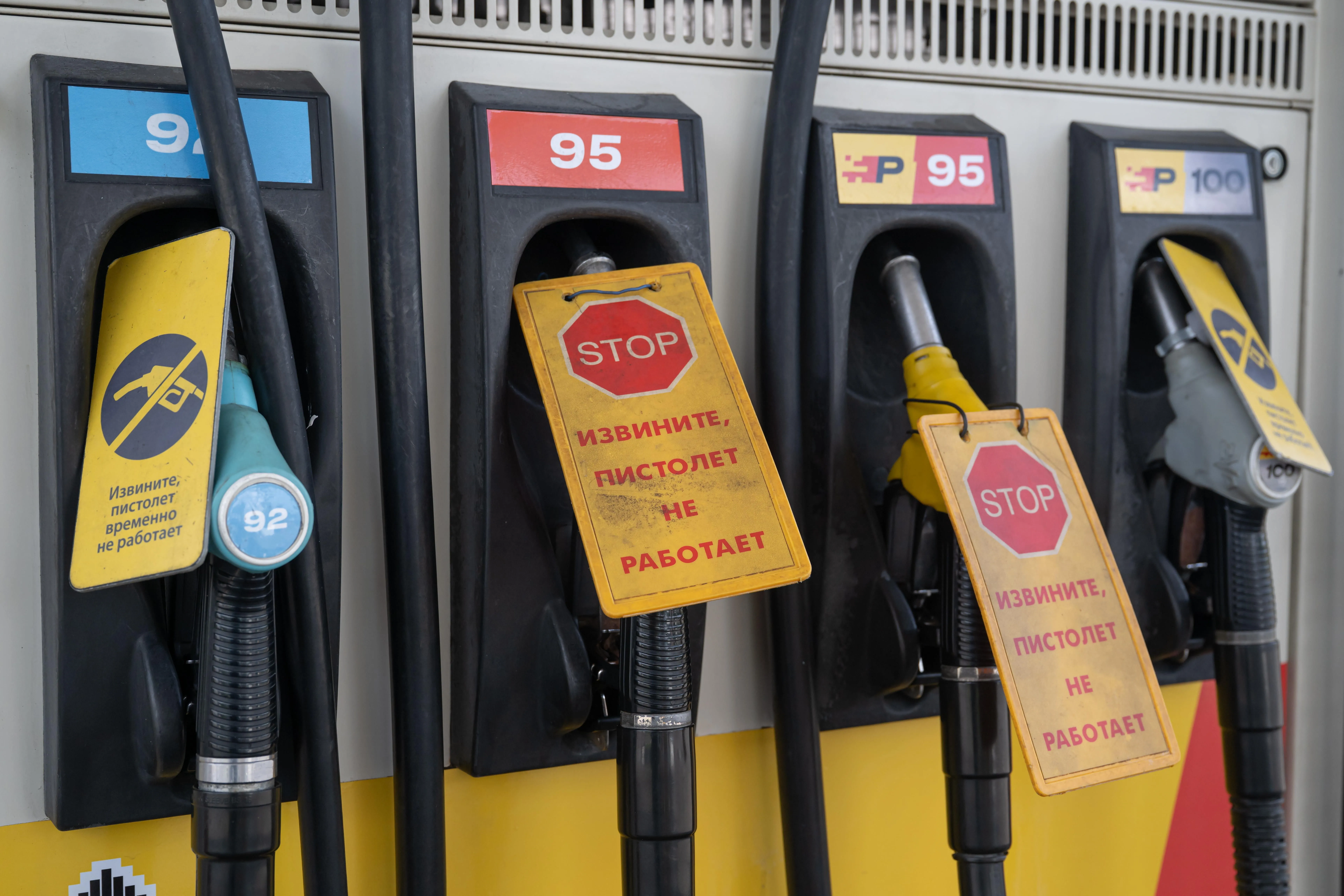
The situation surrounding fuel availability in Russia has become increasingly dire, as highlighted by political analyst Ilya Graschtenkov. He vividly described the unpleasant experience of waiting for two hours to fill his tank, remarking that the 95-octane gasoline smells peculiar and lacks the expected 'European' quality. Many commentators, including Graschtenkov, are questioning how President Vladimir Putin intends to resolve the gasoline shortages exacerbated by Ukrainian drone attacks, which have even affected Moscow. This concern is particularly pressing with the parliamentary elections set to take place at the end of September.
Government Responses and Public Sentiment
In response to the fuel crisis, Graschtenkov has suggested implementing significantly higher prices to allow market forces to dictate availability. Conversely, others advocate for a rationing system where limited quantities of fuel would be distributed in exchange for QR codes. However, Graschtenkov warns that this could lead many citizens to resort to the black market, since officially available gasoline is not only inexpensive but also notoriously difficult to procure. Putin himself has commented on the impact of the drone attacks, asserting that while they don't have severe consequences, they undoubtedly inflict damage, a sentiment echoed by various officials.
Energy Minister Sergei Zivilyov recently acknowledged the long queues at gas stations in an interview, promising to address the issue while reassuring citizens that diesel fuel remains adequately available for those who own diesel vehicles. Economic columnist Dmitri Drise noted that Zivilyov's admission signifies a recognition of the problem, which is a step forward compared to outright denial of fuel shortages. Ironically, some commentators have suggested looking to countries like Morocco or Myanmar for assistance, emphasizing that price reductions are not feasible, especially when supply chains are disrupted.
As public anxiety grows, the discourse around fuel prices and availability continues to evolve. Some experts argue that neither price increases nor rationing will effectively solve the crisis in the long term, as the government must acknowledge its responsibility for the situation. The overarching concern remains whether the Kremlin can navigate the immediate challenges posed by the fuel crisis without facing significant backlash from the populace.
As reported by br.de.