
Significant Increase in Fuel Prices in Morocco
As of March 16, 2026, Moroccan gas stations have implemented a notable adjustment in fuel prices, reflecting a substantial shift in the economic landscape. Diesel prices have risen to 12.80 Dirhams per liter, an increase of 2 Dirhams from the previous price of 10.80 Dirhams. Similarly, gasoline has seen a hike of 1.44 Dirhams, now costing 13.93 Dirhams per liter. This price adjustment is a direct consequence of escalating crude oil prices on the global market, primarily driven by tensions in the Middle East and the blockade of the Strait of Hormuz, which have significantly affected supply chains and market stability.
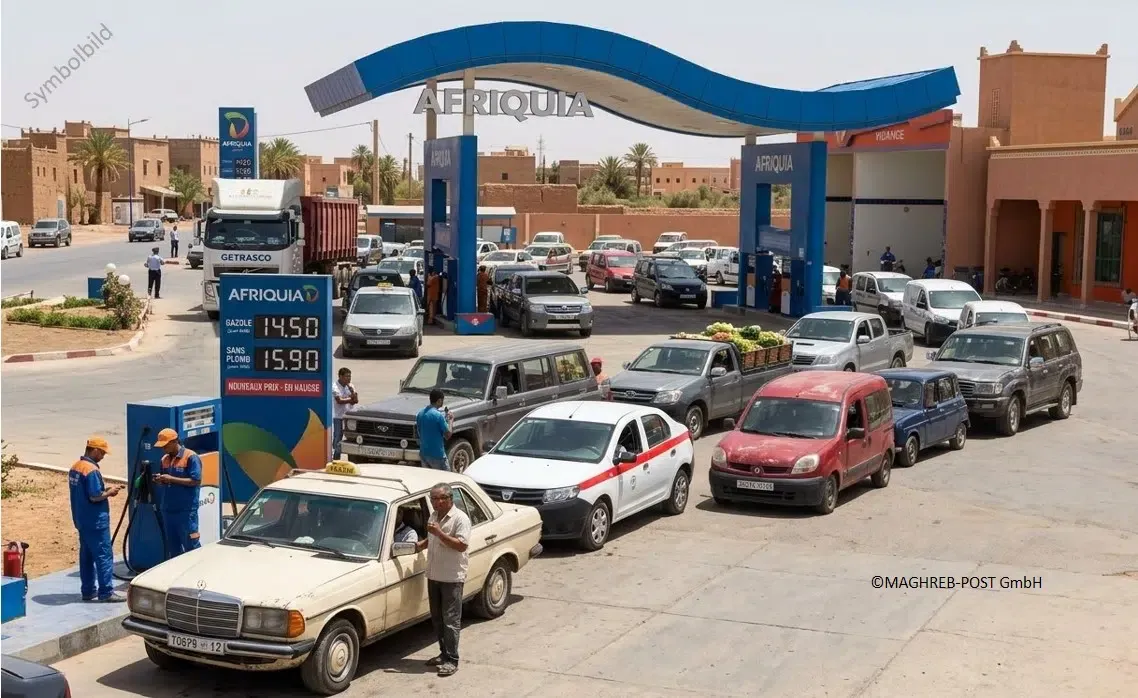
In anticipation of the price surge, long lines of vehicles formed at numerous gas stations, particularly in Casablanca, the country’s economic hub, just hours before the new prices took effect. Many drivers rushed to fill their tanks at the previous rates, hoping to mitigate the impending financial burden. Reports from the ground indicated sporadic irregularities, with certain stations temporarily halting sales to capitalize on the new prices after the adjustment took place, thereby raising concerns about fairness and transparency in the market.
Impact on the Economy and Government Response
The sharp increase in fuel prices intensifies existing tensions between independent gas station operators and major oil corporations. Operators have voiced their frustrations over supply delays and reductions, interpreting these actions as a strategic maneuver by the corporations to manage inventories ahead of price increases. Given the structural dependencies created by exclusive contracts, these operators have sought intervention from the competition council, demanding greater market transparency to ensure fair practices.
This significant price leap has raised alarm about its repercussions on general purchasing power and transport costs, which are vital components of the Moroccan economy. Particularly in the transport sector, the pressure is immense; drivers report that fuel costs now consume nearly half of their earnings. In light of these developments, the government has suggested that it may utilize its “toolbox” of policy measures to address these challenges. The reactivation of direct support for transportation companies, similar to the assistance provided during the oil price shock of 2022, is being considered as a viable option to cushion the economic impacts of these rising costs.
As reported by maghreb-post.de.