
Insights from the Declassified CIFAS Report
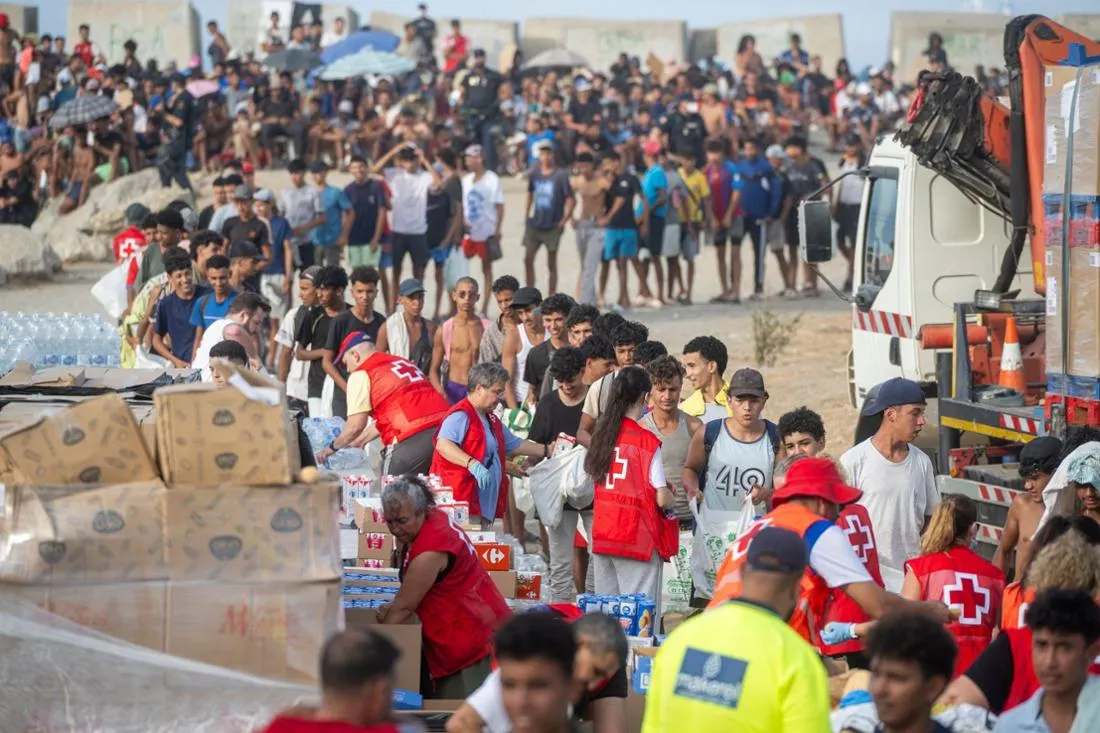
A recently declassified document from Spain’s Armed Forces Intelligence Center (CIFAS) has provided critical insights into the military’s evaluation of the migrant crisis that unfolded in Ceuta at the end of July. Released by the Spanish government as part of a broader disclosure of 40 documents concerning the Ceuta crisis, the report titled "Migration Crisis in the Enclaves and Islands under Spanish Sovereignty in North Africa," dated July 30, characterizes the border situation between Ceuta and Morocco as one of "migration chaos." The crisis was notably marked by a significant influx of approximately 1,700 migrants who arrived by sea from Morocco on July 25, alongside numerous attempts to breach the border at other points.
Moroccan Forces and Migration Dynamics
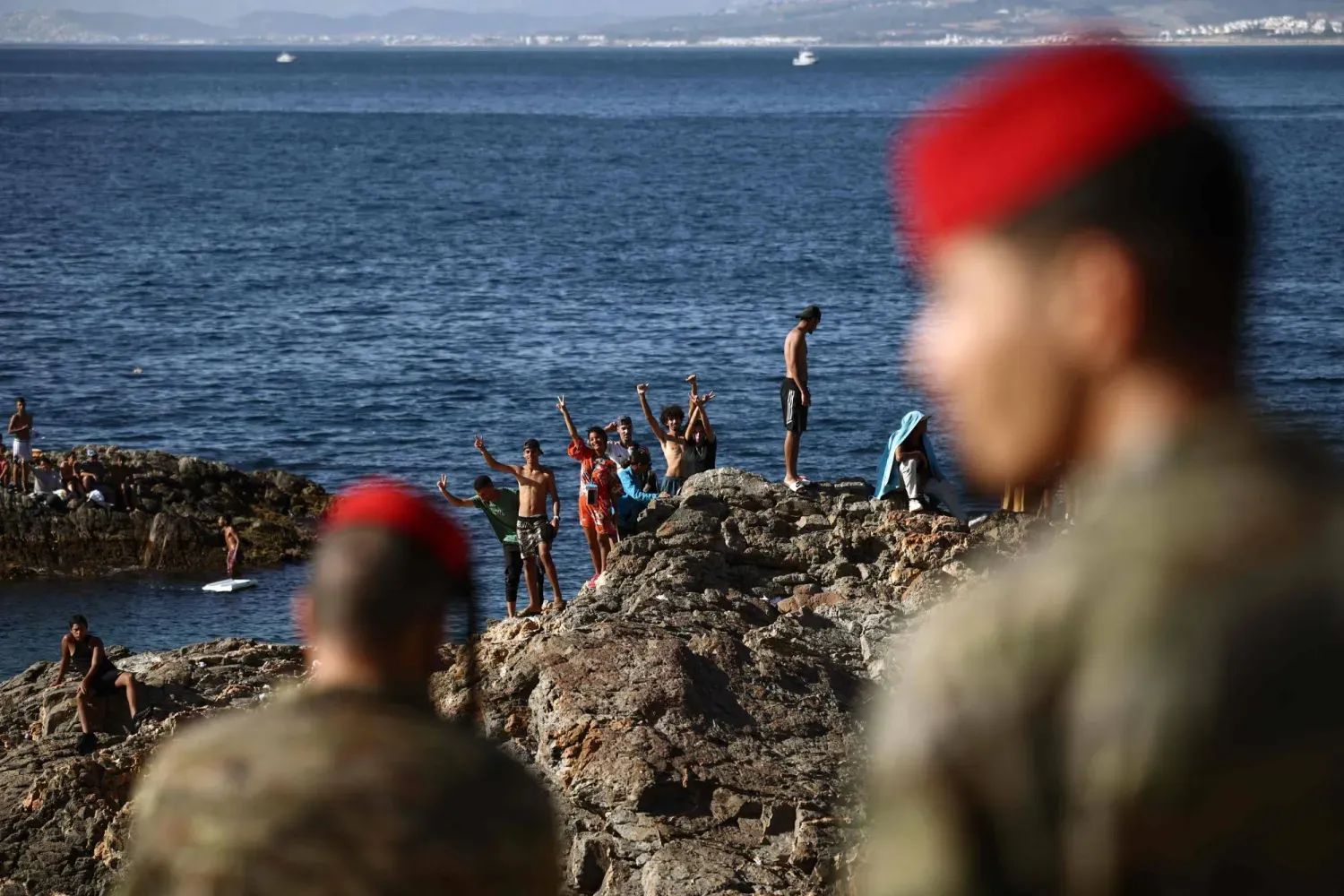
The CIFAS report elaborated on the situation by detailing various infiltration attempts on islands and rocky outcrops under Spanish control, indicating that while these actions were not massive, their significance should not be overlooked. Furthermore, the intelligence assessment highlighted a concerning contradiction regarding the Moroccan security forces’ response to these migration attempts. It noted that while there appeared to be an active posture in Melilla aimed at maintaining security, in Ceuta, Moroccan forces adopted a more passive approach, effectively allowing the border to be crossed both by land and sea.
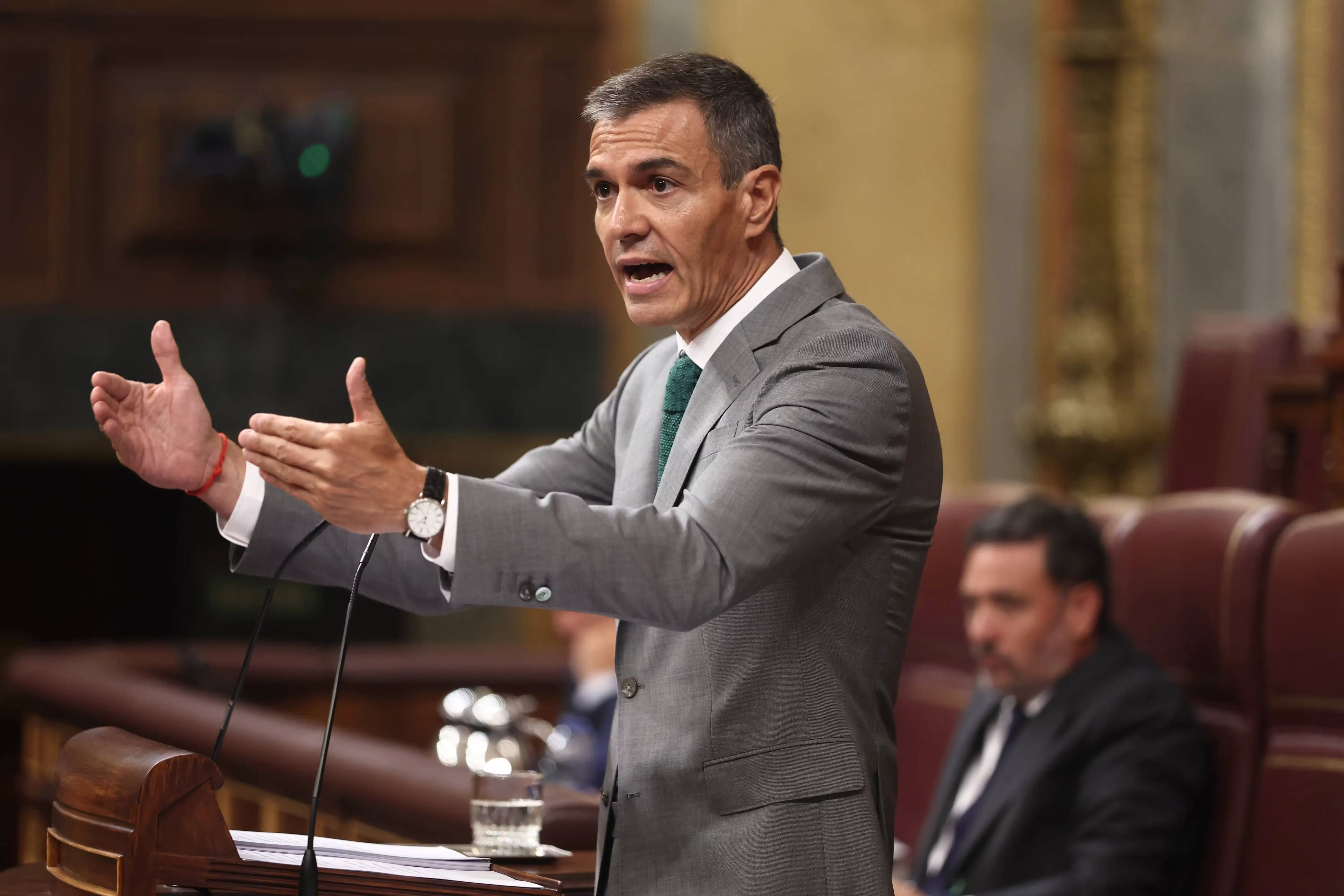
Additionally, the report linked the escalation of migration attempts to a ruling from Spain’s Supreme Court, which stated that individuals entering Spanish territory by swimming could not be immediately repelled. This legal context has imposed substantial limitations on the operational capabilities of Spanish security forces. The situation was further complicated by Morocco's Throne Day celebrations, which led to a temporary redeployment of Moroccan security personnel away from Ceuta, thereby weakening the border control measures in place. Interestingly, while the report touched upon Spanish Prime Minister Pedro Sánchez's visit to Algeria on July 20, it clarified that Morocco did not react negatively to this diplomatic engagement, though it did acknowledge potential underlying tensions within the Moroccan leadership regarding the visit.
The CIFAS assessment concluded that Moroccan authorities were likely not overtly promoting the migration wave but had thus far displayed a negligent and passive stance. It projected that Moroccan forces would likely intensify their involvement in addressing irregular migration following the conclusion of the Throne Day celebrations. The intelligence report cautioned that Morocco might seek to leverage the crisis in Ceuta to further its strategic interests. As a result, CIFAS deemed it highly probable that the deteriorating situation in Ceuta would necessitate the activation of Spanish armed forces imminently, while also predicting an increased likelihood of public security incidents in the area.
As reported by en.yabiladi.com.