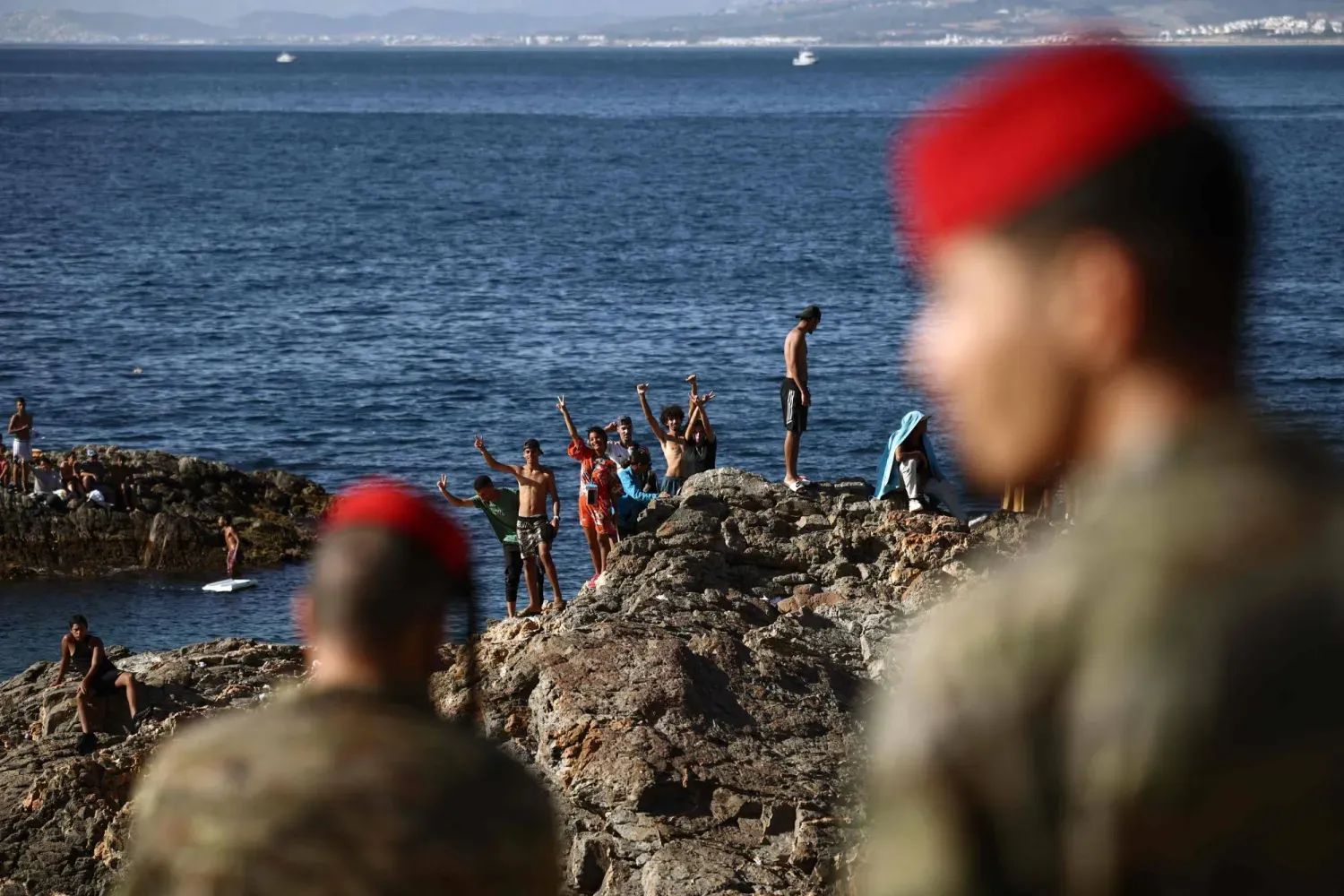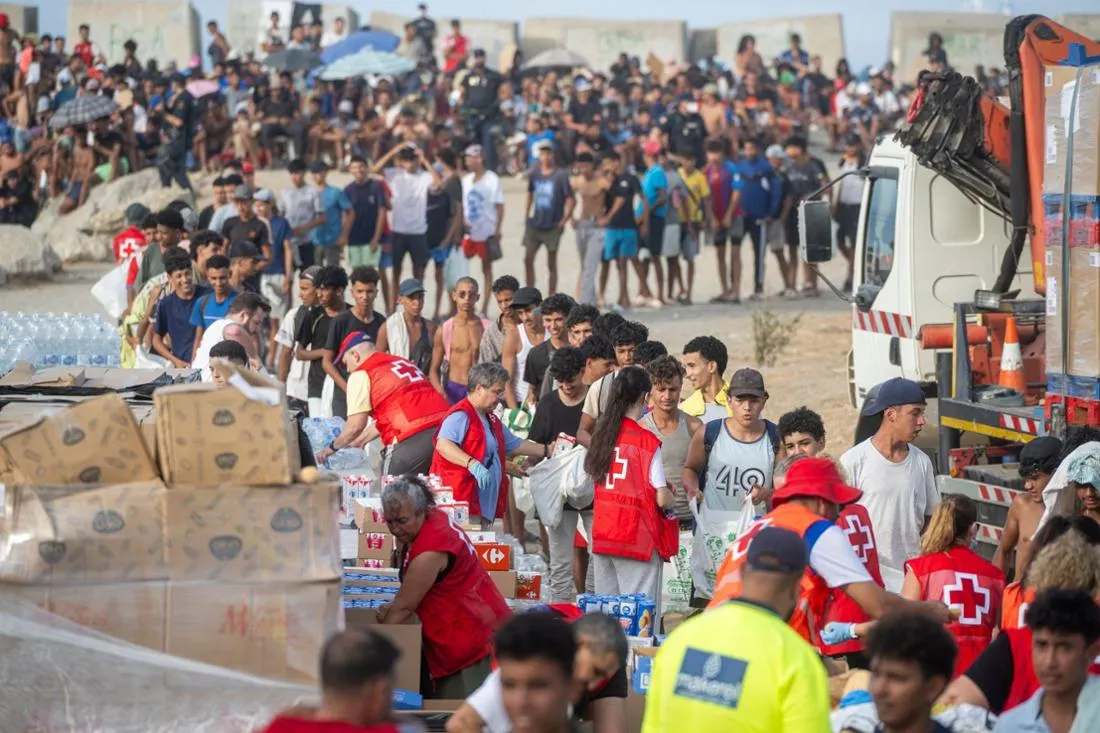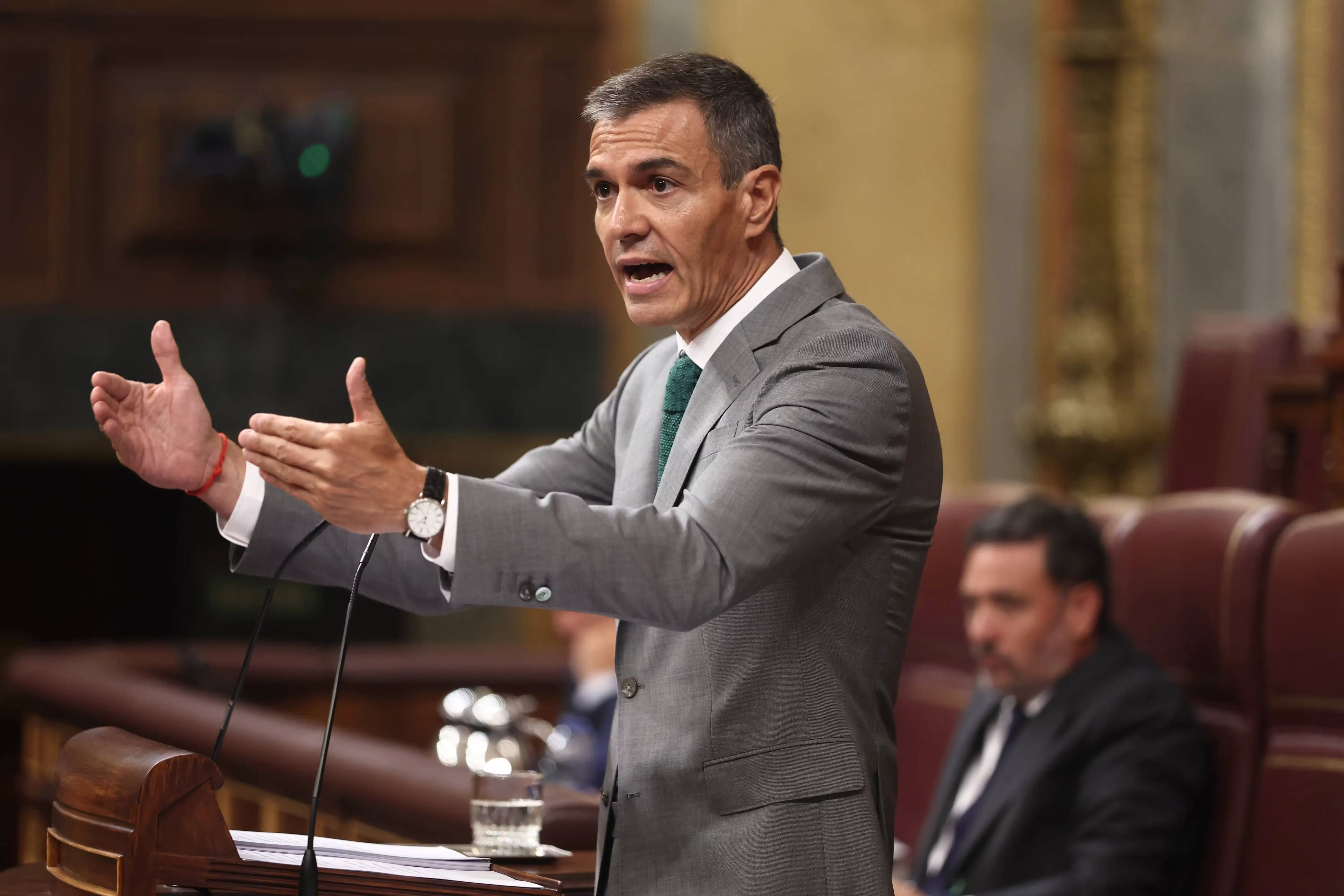

In a significant statement regarding the migration situation in Ceuta, Spanish Prime Minister Pedro Sánchez emphasized the need for the autonomous cities of Ceuta and Melilla to adapt to a new structural reality. During an interview on Spanish television, Sánchez refrained from using the term "invasion" to describe the influx of migrants, highlighting a shift in rhetoric surrounding the issue. According to the Ministry of the Interior, approximately 72,000 individuals managed to cross from Morocco into the Spanish enclave by the end of July. Sánchez reported that there were 141 fatalities during this period, although his government has not provided further clarification on this statistic. A substantial number of migrants have voluntarily returned to Morocco, with estimates indicating that tens of thousands have made this choice.
The number of migrants currently residing in Ceuta remains uncertain, with media reports estimating between 5,000 and over 10,000 individuals. Prior to the surge, Ceuta had roughly 1,000 reception places, but this capacity has since been increased to over 3,500, with plans to expand to 6,000. In the television interview, Sánchez underscored the necessity for the state to better prepare for hybrid attacks, while also pointing to the economic disparity between Spain and Morocco as a fundamental cause of migration. He depicted the individuals crossing the border in July not as invaders but as individuals seeking better lives and opportunities that Morocco does not provide. Sánchez acknowledged Spain's unique position as the European external border in Africa, which presents a migratory reality that must be addressed.
On the political front, Sánchez's wording has incited outrage among the Spanish right. Vox leader Santiago Abascal expressed his discontent, insisting that the only structural reality Sánchez should recognize is that Spain and its people exist, and that Ceuta is an integral part of Spain. He accused Sánchez of acting as a mouthpiece for Moroccan King Mohammed VI. Local politicians from the same party warned that the proposed expansion of reception facilities could turn Ceuta into a situation akin to Lampedusa, with accommodations scattered throughout the city.
Criticism has also emerged from within the Ceuta region itself, despite the region not aligning with Vox. Reports suggest that Sánchez is effectively delivering the city to Rabat if the reception facilities are permanently expanded. While it is acknowledged that many migrants hope for a better life, Madrid is criticized for downplaying the incident as a migration crisis, while it is perceived to be a form of hybrid attack similar to previous situations faced by other European governments at the Belarus border.
The political earthquake has even reached the realm of sports. During a league match between Real Betis and Real Madrid, flags representing Ceuta and Spain were unfurled on the pitch, accompanied by the playing of the Spanish national anthem—a practice uncommon in league games. This was met with chants against Sánchez. The situation continued during a Champions League match at Madrid's Bernabéu Stadium against Inter Milan. Meanwhile, across the Strait of Gibraltar, fans of the Moroccan club Maghreb Fez displayed a banner during an African Champions League match, labeling Ceuta and Melilla as Moroccan territory.
Coalition partner Sumar intends to extend the tensions surrounding this issue to the upcoming 2030 World Cup, which Spain is set to co-host with Portugal and Morocco. The faction is calling for a review of the joint hosting agreement with FIFA and Portugal, potentially leading to the revocation of Morocco's status as a host nation.
The crisis comes at a tense time for Sánchez, as a court has summoned a jury for the case against his wife, Begoña Gómez, concerning allegations of influence peddling. Concurrently, a verdict regarding his brother, David Sánchez, is expected from the Audiencia Provincial de Badajoz by the end of September.
As reported by ostdeutscheallgemeine.com.