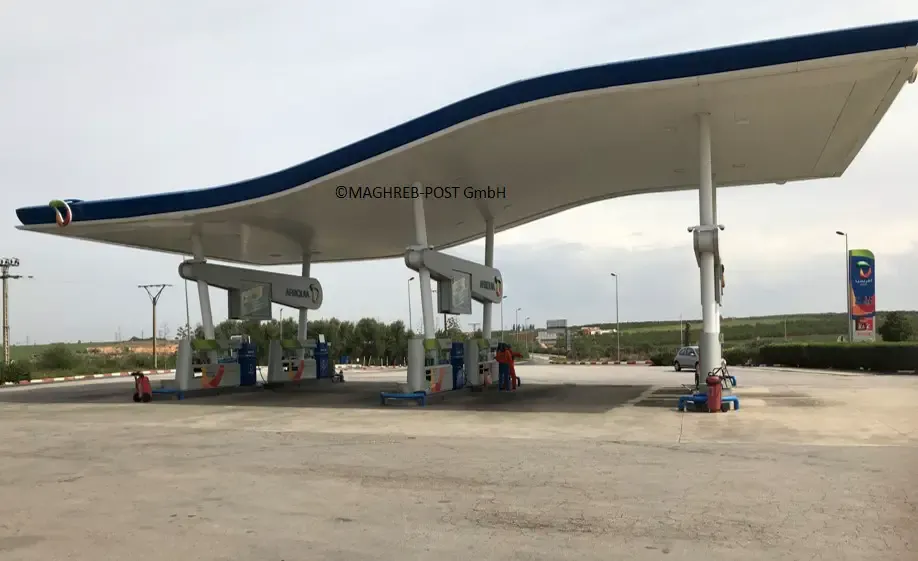

Increasing Fuel Prices Amid Global Tensions
In Morocco, the cost of fuel has once again escalated significantly, with reports from Le360 indicating that oil companies are preparing for a price hike effective April 16, particularly impacting diesel fuel. In Casablanca, Morocco's economic hub, the price for a liter of diesel surged by approximately one dirham, climbing from 14.50 to 15.50 dirhams (MAD). This increase has crossed the psychologically significant threshold of 15 dirhams, aligning diesel prices with gasoline, which has remained steady at around 15.50 dirhams.
This recent surge in fuel prices is closely tied to the volatility in international energy markets, exacerbated by ongoing conflicts in the Middle East. Since these tensions erupted, diesel prices have risen by over 4.70 MAD per liter, while gasoline has seen an increase of about 3 MAD. Such developments pose a considerable strain on the purchasing power of Moroccan households, raising concerns about the economic well-being of citizens.
Government Measures and Market Regulation
In response to these economic pressures, the Moroccan government is maintaining its support mechanism for professionals in the transport sector. Following an initial phase that concluded in mid-April, sources from Le360 suggest the continuation of direct aid. However, political figures and unions are advocating for further measures, including a reduction in VAT or a cap on profit margins within the retail sector.
Simultaneously, the methodology behind fuel pricing is coming under scrutiny from regulatory authorities. Ahmed Rahhou, the president of the Moroccan Competition Council, described the current practice of synchronized price adjustments every 15 days as an "anomaly." Although prices have officially been liberalized since market reforms, nearly all providers adjust their prices simultaneously on the 1st and 15th of each month. According to Rahhou, while this does not currently constitute illegal price collusion, it reflects outdated practices from the pre-liberalization era.
The Council is now urging companies to abandon this rigid pricing cycle in favor of more individualized pricing strategies tailored to their inventory levels and cost structures. The aim of this initiative is to stimulate competition within the market. The regulatory body believes that a complete freedom in pricing would likely result in delayed increases and expedited decreases. Rahhou elaborated on this logic, stating that in a dynamic market, providers tend to hesitate on price hikes to avoid losing customers, whereas price reductions are swiftly leveraged as a competitive edge.
Currently, the Competition Council is advocating for a cooperative transition, encouraging market participants to propose new pricing mechanisms. However, if the industry collectively insists on adhering to the rigid 15-day model, the authority has made it clear that it will consider other regulatory measures to enforce genuine competition in favor of consumer interests.
As reported by maghreb-post.de.