
Lessons Learned from the September 2023 Earthquake in Morocco
The catastrophic earthquakes that struck northwestern Venezuela on June 24, 2026, measuring 7.2 and 7.5 on the Richter scale, serve as a stark reminder of the profound impact natural disasters can have on communities. With the death toll climbing over 2,200 and over 11,000 individuals injured, the aftermath has left thousands unaccounted for and has posed significant challenges to recovery efforts amidst an already precarious economic and political landscape. As the international community mobilizes to provide immediate relief in the form of food, water, shelter, and medical assistance, an equally pressing concern arises: how do we address the emotional scars left behind once the immediate crisis subsides?
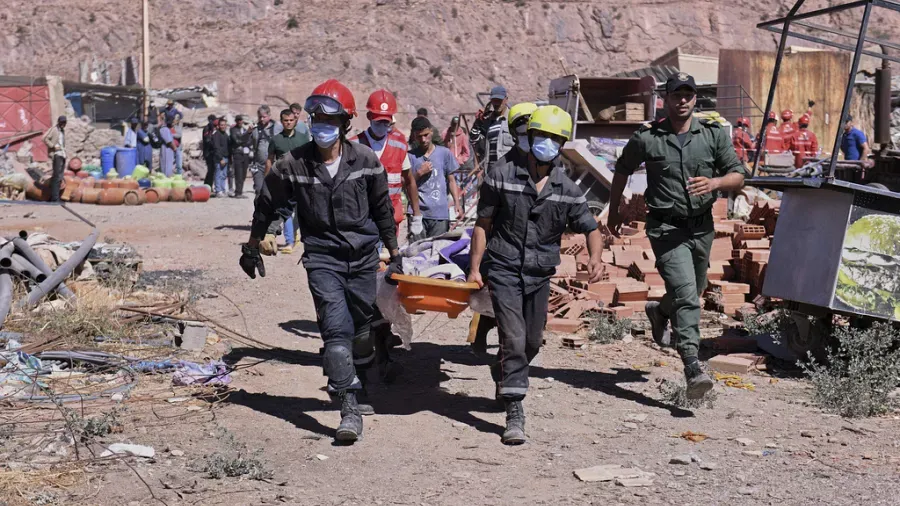
The High Atlas Foundation (HAF) faced this poignant question following the September 2023 earthquake that devastated the Al Haouz province of Morocco. Rather than initiating a new program in response to the disaster, HAF found its answer within an existing framework that had already demonstrated its effectiveness in healing and empowerment.
A Prepared Methodology for Crisis Response
Years before the earthquake struck, HAF had implemented the IMAGINE model across various Moroccan communities—both rural and urban. This empowerment methodology, developed by the Empowerment Institute, focuses on fostering a sense of self among women, helping them articulate their aspirations, and granting them agency over their futures. Remarkably, this initiative also cultivated stronger community bonds, deeper solidarity, and a cadre of trained facilitators adept at facilitating difficult conversations, all of which proved invaluable in the wake of the earthquake.
When the disaster hit, HAF’s existing trust and community relationships allowed for an immediate and effective response. The organization conducted 100 psychosocial empowerment workshops, reaching over 4,000 individuals—women, men, and children—across the affected areas. Even prior to the earthquake, activities within the IMAGINE model had been laying the groundwork for addressing trauma. Exercises designed for relaxation often led participants to confront long-standing fears related to poverty and familial issues, while storytelling activities provided a safe space for individuals to share their experiences of abuse and loss.
Following the earthquake, when Project HOPE approached HAF to discuss implementing their psychosocial healing program, the synergies between the two methodologies became apparent. While some adaptation was necessary to tailor the IMAGINE model to a post-disaster context, HAF did not have to start from scratch. The organization modified sessions to focus on pressing themes, renamed exercises to foster openness, and shifted discussions to prioritize trauma expression rather than immediate problem-solving.
However, not all elements translated seamlessly into the new context. Some activities, such as the 'Rooms' exercise, which asked participants to visualize personal spaces, proved challenging as many women found it difficult to engage with their memories of the earthquake. The evolution of these workshops highlighted the need for context-specific adaptations to ensure relevance and effectiveness.
In many instances, the workshops unearthed narratives unrelated to the earthquake itself. One participant bravely shared her experiences of mistreatment within her marriage, while others revealed long-buried traumas from childhood. The workshops provided a platform for vulnerable expressions of grief and fear, illustrating the interconnectedness of personal suffering and collective trauma.
The critical lessons gleaned from Morocco’s experience extend beyond specific activities to encompass the importance of preparedness and timing. While immediate material aid is vital, it is not sufficient in isolation. Recognizing this, organizations in Venezuela are combining emergency support with psychosocial services, understanding the necessity for individuals to process their grief before being able to envision a hopeful future. HAF's methodology, having been refined over years of implementation, demonstrates how pre-existing frameworks can effectively address crises when they arise, underscoring the importance of building resilient support systems ahead of time.
As reported by scoop.co.nz.