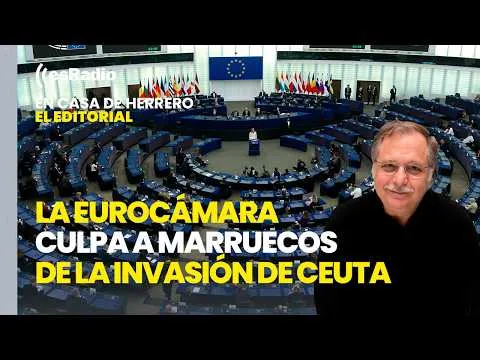

European Parliament's Stance on Morocco's Role in Ceuta Invasion
In a recent development that has stirred political discussions across Europe, the European Parliament has officially attributed the ongoing crisis in Ceuta to actions taken by Morocco. This assertion comes in the wake of a significant rejection by Socialist members, which has further complicated diplomatic relations between the two regions. The ongoing situation in Ceuta, a Spanish enclave located on the northern coast of Africa, has been marked by an influx of migrants, leading to heightened tensions and urgent calls for action from both Spanish authorities and European leaders. The European Parliament's stance reflects a growing concern over Morocco's influence in regional migration patterns, particularly as the country has been accused of enabling the crossing of migrants into Ceuta in search of better opportunities in Europe.
Implications for Spain and European Policy
The implications of this situation are vast, as Spain grapples with managing the influx of migrants while maintaining its sovereignty and security. The Socialists' rejection of the European Parliament's resolution has raised questions about the effectiveness of current immigration policies and the need for a cohesive European response to migration challenges. As the crisis unfolds, analysts are closely monitoring the reactions from both the Spanish government and the European Union, as they seek to balance humanitarian concerns with the realities of border security. The outcome of this political strife could shape future policies regarding migration and international relations within the region.
As reported by youtube.com.