
Morocco Strengthens Ties with Israel Amidst Controversy
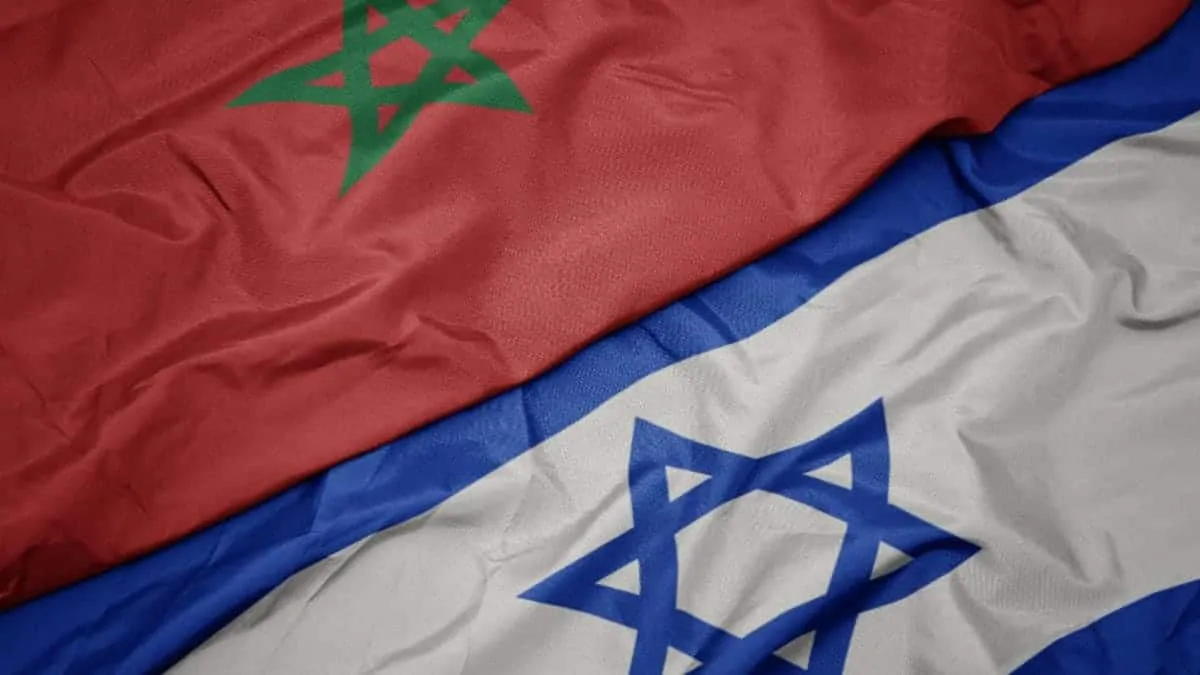
On September 16, 2026, Morocco officially took a significant step in its diplomatic relationship with Israel by establishing embassies in both nations' capitals. This move, which comes as part of the Abraham Accords, marks a pivotal moment in Morocco's foreign policy, as it aligns itself more closely with Israel and the United States. In exchange for this normalization of relations, the U.S. recognized Morocco's sovereignty over Western Sahara, a contentious issue that has long been a point of dispute.
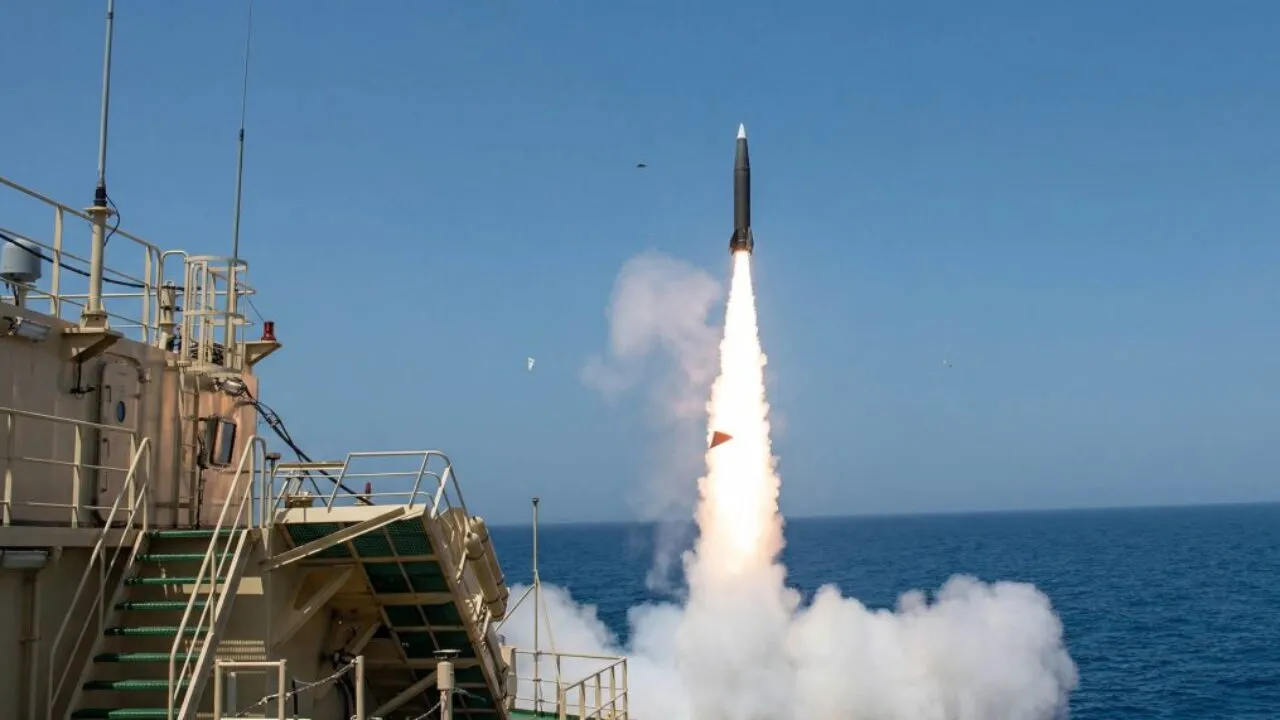
For six long years, Morocco hesitated to elevate its diplomatic representation with Israel, opting for liaison offices instead of full embassies. The recent agreement, however, signifies a deepening of ties that have already been established over the years, particularly in military cooperation and security partnerships. Despite the absence of ambassadors until now, both nations have engaged in extensive collaborations, including military contracts worth hundreds of millions of dollars and mutual visits by military personnel.
The Symbolic Weight of the Announcement
This announcement carries a significant symbolic weight, particularly given the ongoing humanitarian crisis in Gaza. The timing is critical, as Israel faces increasing isolation on the international stage due to the actions of its current government, led by Benjamin Netanyahu. The establishment of embassies amid such turmoil raises questions about Morocco's motivations and the implications for its domestic and international standing.
Moreover, this diplomatic shift comes at a time when Morocco is facing its own internal challenges, including a severe economic crisis highlighted by mass attempts of young Moroccans to migrate to Europe. The government's decision to strengthen ties with Israel may be seen as an attempt to navigate these turbulent waters, but it also risks further alienating a public that largely opposes normalization with Israel.
As Morocco embarks on this new chapter in its diplomatic relations, it must grapple with the repercussions of aligning itself with a state accused of severe human rights violations. The implications for the Palestinian cause are particularly dire, as Morocco's actions may be perceived as a betrayal by those who support Palestinian rights. The question remains: how far will Morocco go in its alliance with Israel, and at what cost to its own national identity and values?
As reported by tsa-algerie.com.