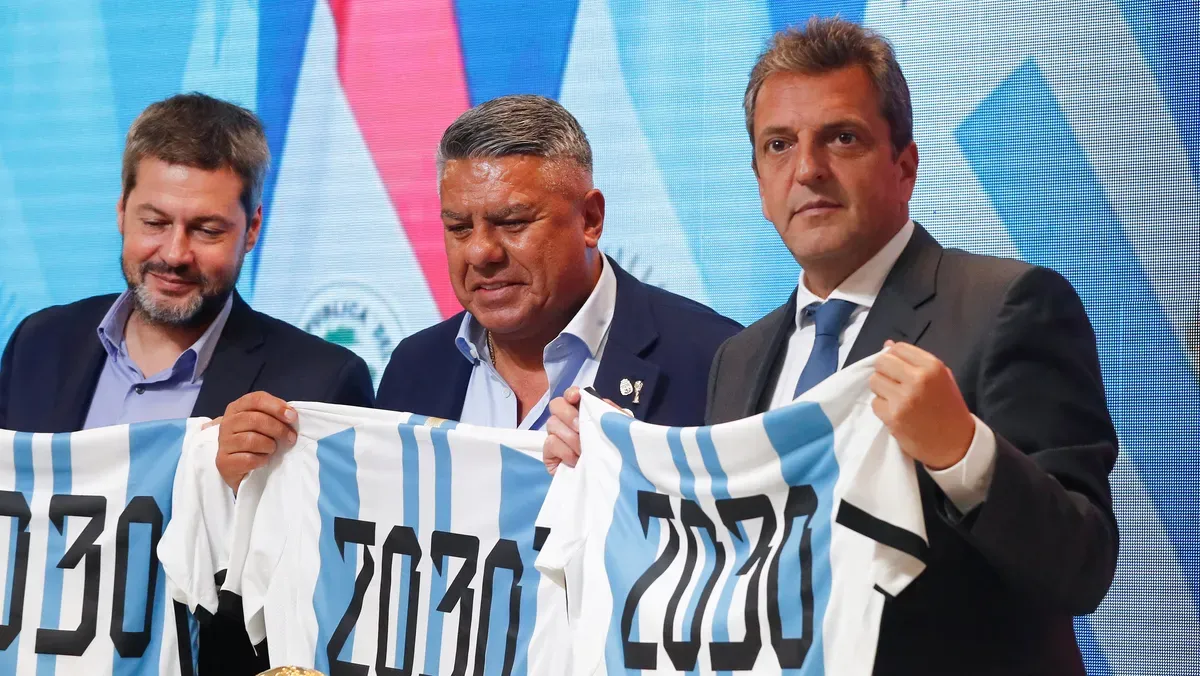

The 2030 FIFA World Cup is set to be a landmark event, following the conclusion of the 2026 tournament. Officially confirmed by FIFA, the upcoming World Cup will take place in a collaborative hosting effort involving Spain, Morocco, and Portugal. This decision was made during an Extraordinary Congress attended by representatives from all 211 member federations, marking a significant moment in soccer history and governance.
What makes the 2030 edition particularly special is its role in commemorating the centenary of the first World Cup, which was held in Uruguay back in 1930. This historic milestone will be celebrated with a unique tournament format designed to honor the legacy of the event and the evolution of international soccer.
Where Will the 2030 World Cup Be Held?
The majority of the matches will take place in the three main host countries: Spain, Morocco, and Portugal. In a nod to the centennial celebrations, Argentina, Paraguay, and Uruguay will each host a commemorative match, allowing fans to experience the spirit of the World Cup on three continents before the tournament shifts back to Europe and Africa.
What Changes Can We Expect for the 2030 World Cup?
The 2030 World Cup will be historic as it marks the first time official matches will be played across three continents: Europe, Africa, and South America. FIFA has emphasized that this format is intended to celebrate the centenary of the tournament while still adhering to the tradition of rotating host nations among different confederations. This announcement also coincides with Saudi Arabia's confirmation as the host for the 2034 World Cup.
There is also speculation about expanding the tournament to include 64 teams, a significant increase from the current 48-team format introduced in 2026. This potential expansion would allow 16 additional teams to participate, further promoting the growth of soccer globally. FIFA President Gianni Infantino has advocated for this change, arguing that football should be accessible to all nations, not just traditional powerhouses in Europe and South America. He believes that denying smaller federations the chance to compete diminishes the incentive for developing soccer in those regions.
In the coming years, FIFA will be tasked with providing more detailed information regarding the official schedule, the distribution of matches among the host cities, and the stadiums that will host these exciting encounters. Fans can also expect updates on the logistics surrounding the commemorative matches in South America as well as coordination efforts for a World Cup that marks a notable first in its history.
As reported by usatoday.com.