
Feijóo Demands Clarity on Spain's Relations with Morocco
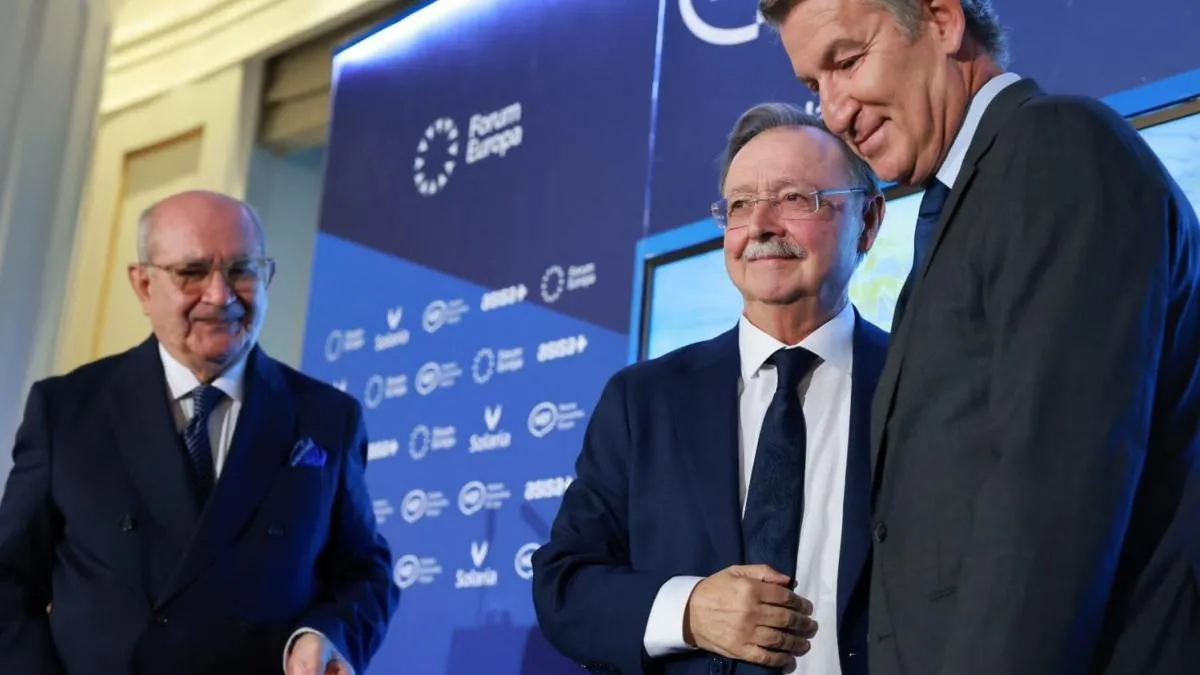
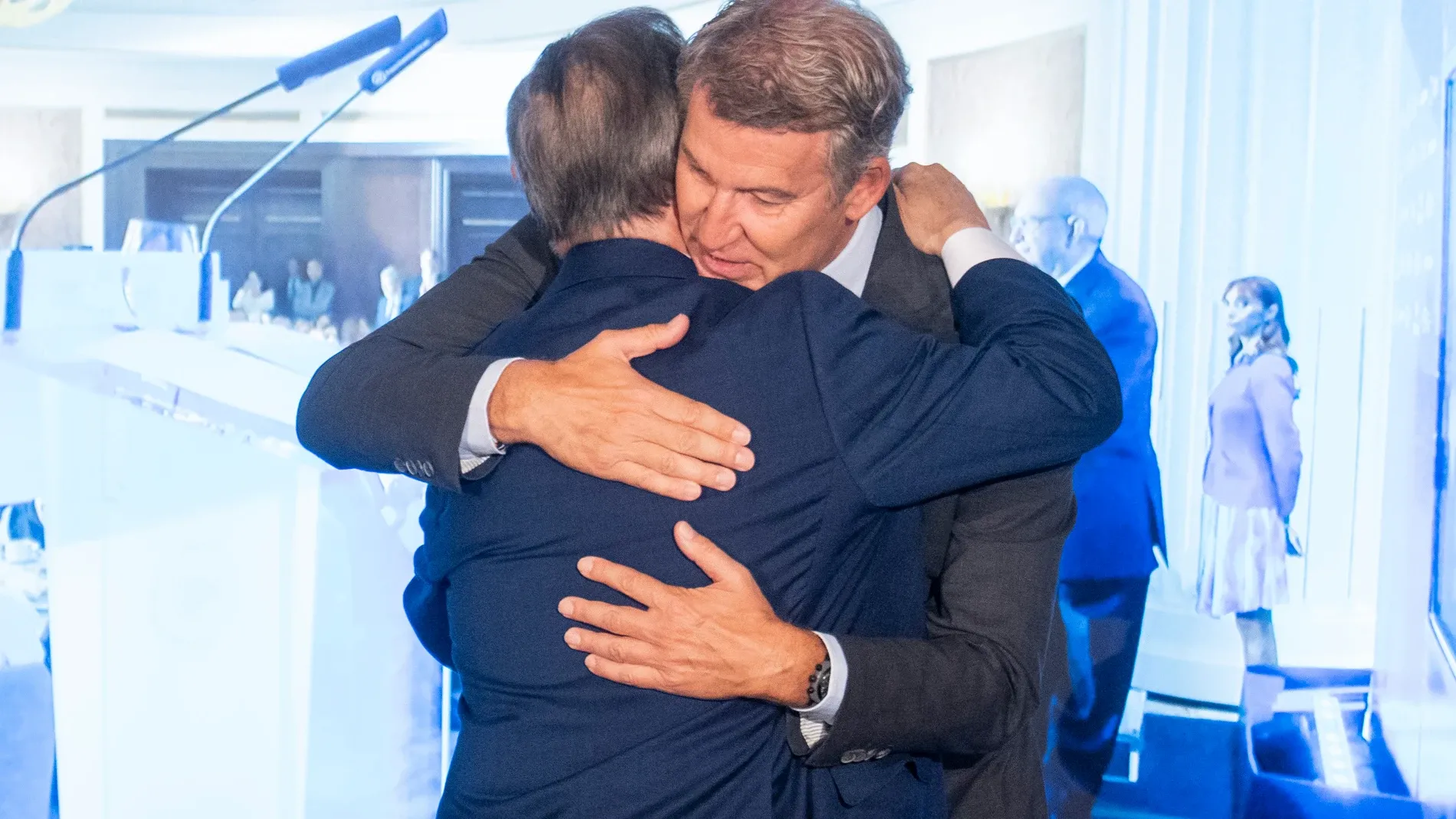
In a recent statement, Alberto Núñez Feijóo, the leader of the Popular Party (PP), has made a compelling case for transparency regarding Spain's diplomatic dealings with Morocco, particularly in light of the ongoing silence from the Spanish government, Moncloa. Speaking at an informative breakfast event in Madrid alongside Juan Vivas, the president of Ceuta, Feijóo emphasized the right of Spanish citizens to be informed about the communications and commitments that have been made between Spain and Morocco. This call for accountability comes amidst rising concerns about national security and the implications of the government's approach to foreign relations.
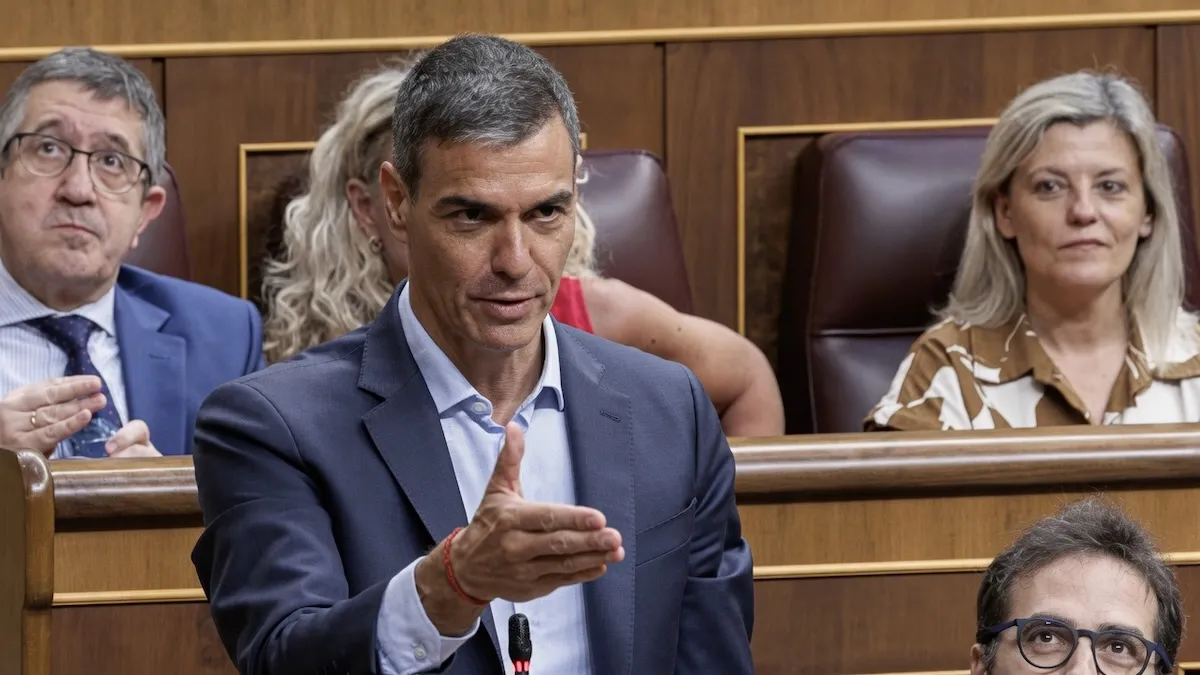
Feijóo's remarks reflect a growing unease among the populace regarding the handling of sensitive diplomatic issues, especially in a context where the security of the state appears to be at stake. He pointedly noted, “The Spanish people have the right to know what Spain has conveyed to Morocco.” This statement not only highlights the need for greater governmental transparency but also raises questions about the efficacy of Prime Minister Pedro Sánchez's policies concerning Morocco, as many citizens remain uncertain about the underlying motivations behind these diplomatic maneuvers.
As reported by larazon.es.
The Broader Implications of Diplomatic Silence
This demand for clarity comes amid a backdrop of heightened tensions and complexities in Spain's relationship with Morocco, particularly concerning issues such as immigration and territorial sovereignty. The lack of communication from Moncloa has led to speculation and concern among various sectors of society, including politicians, analysts, and the general public. Feijóo's insistence on the need for communication underscores a pivotal moment in Spanish politics, where transparency and public trust are crucial in navigating international relations.
In his address, Feijóo did not shy away from criticizing Sánchez's approach, suggesting that the Prime Minister's methods may not guarantee the safety of the state. This assertion invites further scrutiny into the government's foreign policy strategies and their potential repercussions on national security. The ongoing dialogue surrounding these issues is likely to shape the political landscape in Spain, influencing public sentiment and voter behavior as the nation moves forward.