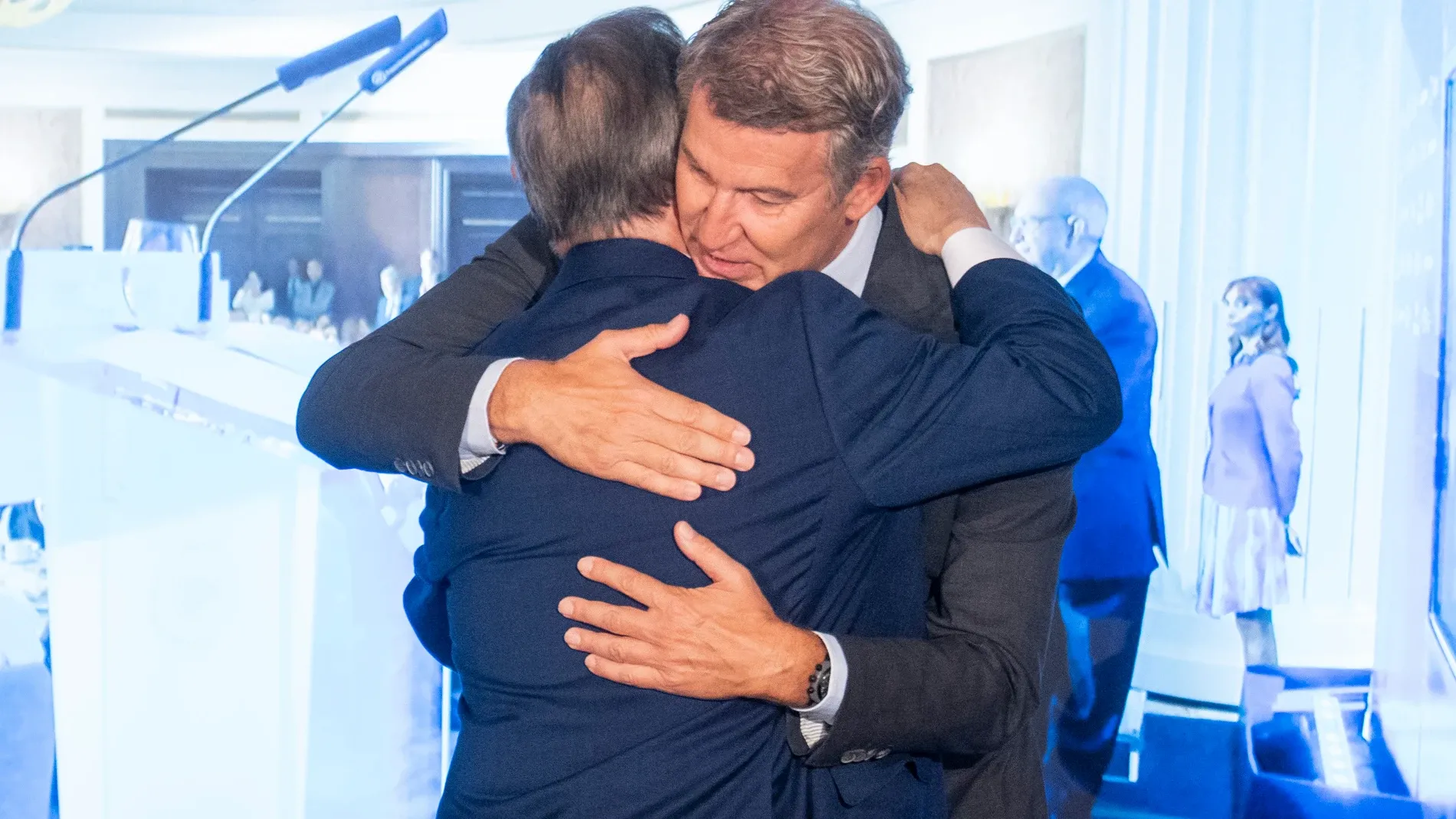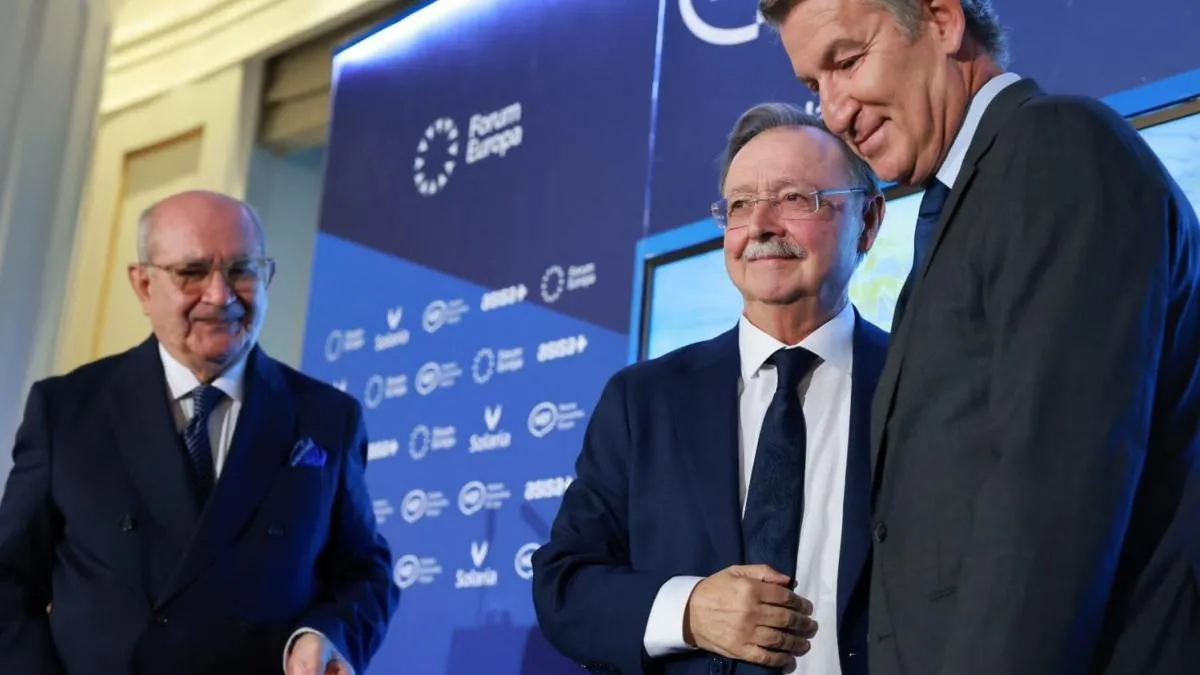

On Monday, Alberto Núñez Feijóo and Juan Jesús Vivas took the stage at the Nueva Economía Fórum in Madrid, where they tackled the pressing issue surrounding the recent crisis in Ceuta. This crisis saw over 70,000 individuals from Morocco enter the Spanish enclave at the end of July. Both leaders unequivocally attributed the events to Morocco, with Feijóo asserting his conviction in a plan that initiated with an 'invasion,' transitioned to resignation, and concluded with some form of concession to Morocco. He emphasized that the Ceuta crisis was 'tolerated and promoted' by the Moroccan authorities, marking a significant escalation in the rhetoric against both Morocco and the Spanish government, led by Prime Minister Sánchez.
Feijóo's remarks can be interpreted as an outright accusation towards Morocco, holding it accountable for the massive influx of migrants. Moreover, he implied that the Spanish government might be inclined to make concessions to Morocco if it were not for the resistance demonstrated by Ceuta and the broader Spanish populace through various mobilizations. He also criticized the government's handling of the situation, particularly the recent decision to relocate a portion of the migrants—approximately 1,000—at the port, despite numerous technical, legal, and business warnings from the Port Authority against such a move. He labeled this decision as a 'great irresponsibility' that complicates the efforts of the State's security forces.
Feijóo urged for a swift return of the remaining migrants and called for enhanced resources from the immigration department to facilitate their repatriation to Morocco, stating, 'I need to know what instruments and timelines will be in place for their return.'
Vivas Defends Ceuta's Sovereignty
Vivas also weighed in on the situation, asserting that behind this 'blow' lies Morocco. He expressed his views based on evidence and convictions, stating, 'all indications point to this.' He referenced 'images of Moroccan gendarmerie' allegedly collaborating with migrants, which he claimed are documented in police reports. He described this as a systemic attitude from Morocco aimed at suffocating and cornering Ceuta and Melilla. Vivas stressed that the crisis in Ceuta transcends mere migration; it is an 'existential crisis' that impacts Spain's sovereignty and territorial integrity. He firmly declared that Ceuta is unequivocally part of Spain, as supported by law, history, and the sentiments of its residents, regardless of their individual beliefs.
Furthermore, Vivas criticized the government's management of the crisis, recounting his attempts to contact the Presidency and several ministries in the days leading up to the incident, only to be met with dismissal of the issue. 'They told us nothing was happening,' he remarked.
Concerns About Future Relations with Morocco
Following Vivas, Isabel Díaz Ayuso briefly took the floor to echo the sentiments of both Feijóo and Vivas regarding the existence of a strategic plan behind the mass entry of immigrants. Ayuso questioned the intentions behind this 'invasion' and accused the government of gradually neglecting Spanish interests in border areas, including Algeciras, in favor of Morocco's stance. 'The government is responsible for security and what occurs moving forward,' she asserted, accompanied by a robust representation of regional leaders, including Juanma Moreno and Alfonso Rueda.
In a subsequent statement, Borja Sémper, the PP spokesperson, addressed the potential direction of future relations between a government led by Feijóo and Morocco. He reiterated the PP's stance on the necessity of reorienting bilateral relations with Morocco, insisting on respect and reciprocity without yielding to threats or blackmail. He affirmed that Spain's territorial integrity is non-negotiable, and expressed disapproval over concerns regarding King Felipe VI's visit to Ceuta. 'We should not worry about the King's visit to Ceuta. Right now, the people of Ceuta need reassurance, and the Head of State can provide that,' Sémper emphasized, also lamenting the fact that many families were purchasing pepper spray as 'school supplies' for safety as the school year approached. He highlighted that two daycare centers would not be opening their doors, and insisted that Spaniards have the right to know what transpired, criticizing the government's lack of transparency on the matter.
As reported by lavanguardia.com.