
Monkeypox Case Emerges in Ceuta's Migrant Crisis
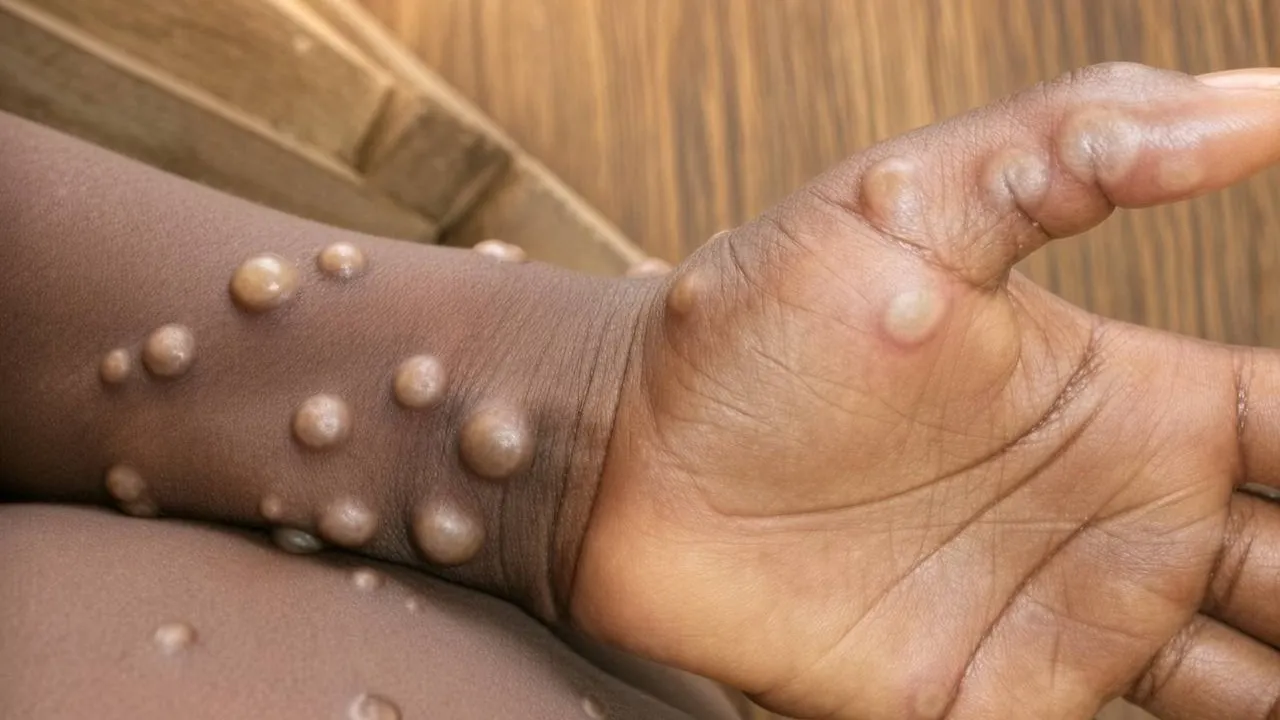
Ceuta, the Spanish enclave located on the northern coast of Africa, has marked a significant public health concern with the confirmation of its first case of monkeypox. This alarming development involves a 13-year-old unaccompanied Moroccan boy who entered Ceuta illegally during a mass influx of migrants from Morocco in late July. The Instituto de Salud Carlos III verified the infection on September 17, after local health authorities submitted samples for testing. Currently, the boy is isolated at the Piniers reception center, where he is under medical supervision and receiving appropriate treatment. Health officials are actively engaged in tracing his contacts to prevent further spread of the virus. Additionally, there is a second suspected case involving another minor that is still under investigation.
The emergence of monkeypox in Ceuta exacerbates an already dire health situation that has unfolded since the migrant crisis began in July. Approximately 80,000 migrants surged into the enclave, which has a resident population of around 84,000. The local health system, already under strain, reported over 10,000 consultations from migrants in just the first month. Health Minister Mónica García has indicated that the region is grappling with multiple health issues, including 11 confirmed cases of chickenpox and eight cases of tuberculosis, alongside ongoing efforts to manage the influx of migrant patients.
Overcrowded Conditions and Health Risks
In response to the escalating health crisis, Spain’s public health authority, INGESA, activated Level 1 of the Hospital Universitario de Ceuta’s External Catastrophe Plan on July 31. This plan was initiated to manage the overwhelming number of migrant consultations, which averaged 335 per day. To bolster healthcare resources, more than 100 additional health workers have been recruited. Despite these measures, Minister García has assured the public that the hospital has not reached a state of collapse, citing that occupancy levels remain at around 53 percent, with 95 percent of migrant-related emergency cases being classified as mild.
Monkeypox, while serious, does not typically spread through casual contact; instead, the World Health Organization (WHO) states that transmission occurs primarily through close physical interactions involving lesions or bodily fluids. Given the overcrowded reception centers and makeshift encampments where many migrants are housed, the risk of transmission may be heightened. Although most patients recover within two to four weeks, severe complications can arise, particularly among vulnerable populations such as young children, pregnant women, and those with compromised immune systems. The WHO currently assesses the risk to the general population, excluding those with specific risk factors, as low.
As reported by hungarianconservative.com.