
Morocco's Stance on European Parliament Resolution
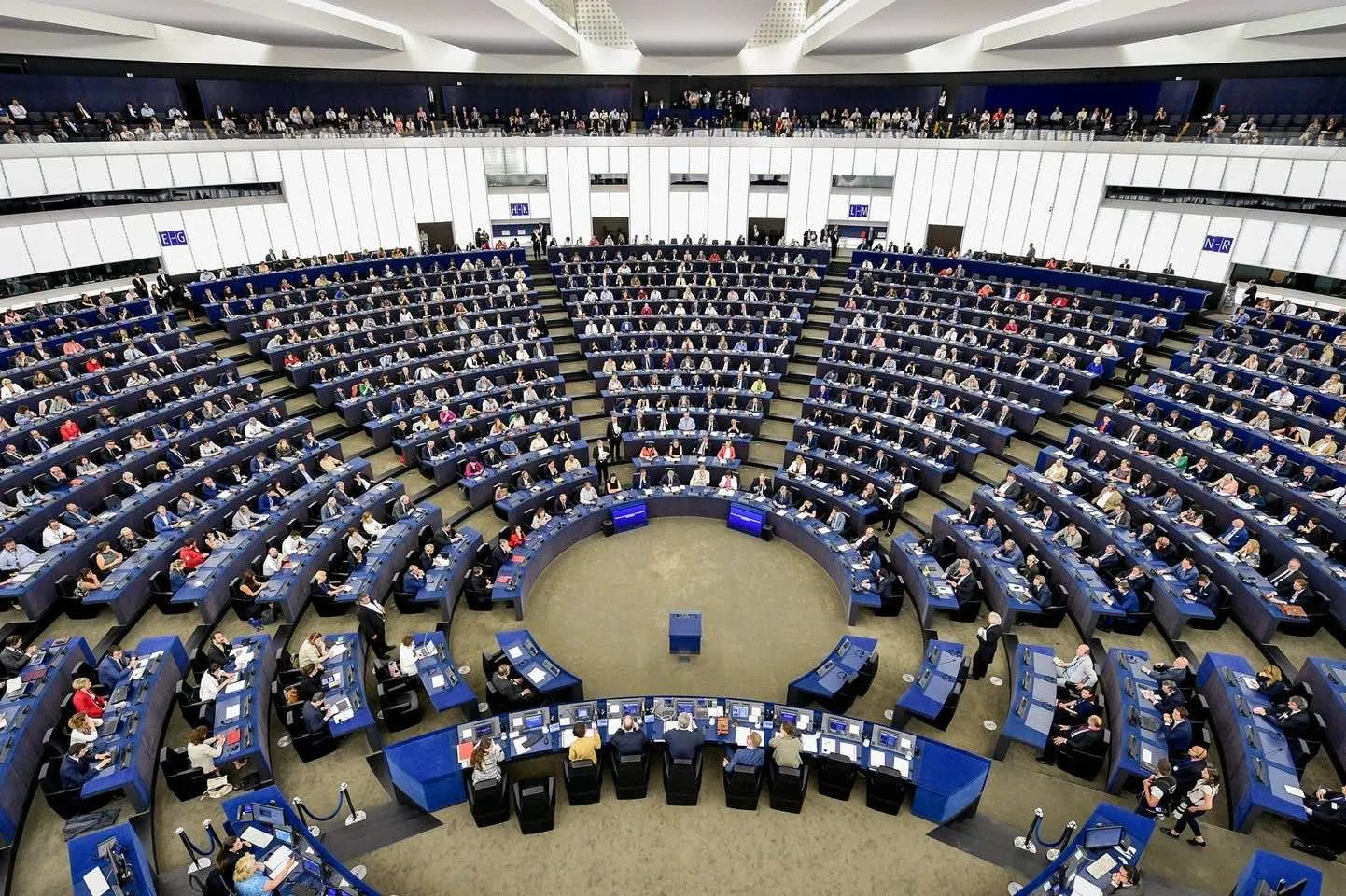
In a recent statement, Ahmed Reda Chami, Morocco’s ambassador to the European Union and NATO, addressed the European Parliament’s resolution regarding the mass crossing at Ceuta that took place on July 30-31. Chami emphasized that the resolution, which was passed on Thursday, includes "no condemnation or injunction" directed at Morocco, countering any narrative that suggests otherwise. He pointed out that the majority of Members of the European Parliament (MEPs) from the leading political factions adopted a measured and responsible approach, particularly against a backdrop of numerous hostile amendments aimed at his country.
Chami's comments highlight a significant concern regarding the interpretation of the resolution. He claimed that there has been a deliberate attempt to misrepresent the document as being more critical of Morocco than it truly is. According to him, various communication strategies and propaganda efforts have attempted to attribute condemnations and demands to the resolution that are not reflected in its actual text. This misrepresentation, Chami argues, undermines Morocco's ongoing efforts to manage the migration crisis effectively.
Content and Implications of the Resolution
The resolution in question received a total of 339 votes in favor, 225 against, and 16 abstentions, reflecting a divided opinion within the European Parliament. While it does not explicitly accuse Morocco of being involved in "hybrid attacks," it does characterize the situation in Ceuta as an instance of "hybrid warfare," framing the mass crossing as an "instrumentalization of irregular migration." This characterization has raised eyebrows, particularly since it fails to acknowledge the historical and geographical context of Ceuta and Melilla, which are often depicted in the resolution as merely "European" territories.
Critically, the document has been criticized for lacking evidence to substantiate claims of a "hybrid war" against Morocco, echoing narratives pushed by certain hostile MEPs, especially those aligned with far-right ideologies. Furthermore, the resolution does not adequately recognize Morocco's proactive measures in addressing the crisis, which has seen an influx of at least 70,000 migrants during the mass crossing. In response, Morocco engaged in a swift and cooperative approach with Spain, facilitating an emergency agreement that allowed for the return of many of these individuals.
Despite Morocco's comprehensive management of the situation, which involved significant efforts to control the crisis and ensure safety, the resolution concluded by urging Morocco to "fulfill its responsibilities and commitments" regarding migration management and cooperation. This call to action, juxtaposed with the commendations directed toward Spanish security services, raises questions about the fairness and balance of the European Parliament's assessment of the situation.
As reported by moroccoworldnews.com.