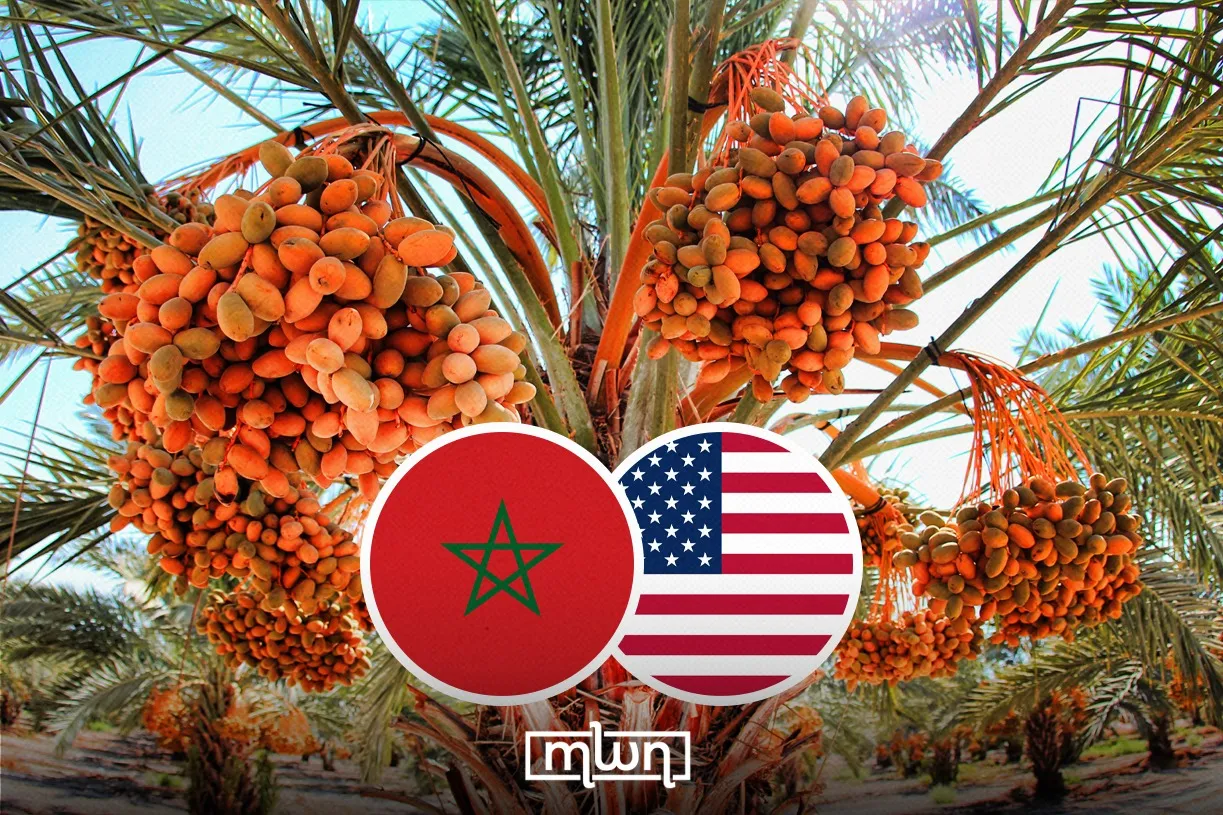

A Remarkable Botanical Migration and Its Historical Significance
In 2026, the United States observed the 250th anniversary of its Declaration of Independence, a moment that prompted reflection on the foundations of the nation and the international friendships that have flourished over time. Among these enduring partnerships, the relationship between Morocco and the United States stands out, rooted in history and marked by significant milestones. In 1777, Sultan Sidi Muhammad ben Abdallah of Morocco became the first leader to recognize the independence of the United States, a gesture that laid the groundwork for future diplomatic relations. This was formally established through the Moroccan-American Treaty of Peace and Friendship in 1786, known as the Treaty of Marrakesh, which remains America's longest unbroken diplomatic relationship to this day.
However, the bond between the two nations extends even further back in time, predating formal treaties and diplomatic exchanges. Estevanico de Dorantes, a Moroccan explorer from the town of Azemmour, traversed much of North America in the early 1500s, connecting distant worlds long before official diplomatic channels were established. His journey symbolizes the early ties that began to link Morocco and the Americas.
The Unexpected Journey of Eleven Date Palm Offshoots
Fast forward to the spring of 1927, where another chapter in this relationship unfolded—not in the halls of power but in the heart of a Moroccan oasis. Eleven offshoots cut from date palms in Boudenib, southeastern Morocco, embarked on a transatlantic journey that would intertwine their fate with that of the American Southwest. These living fragments of an oasis civilization faced the threat of bayoud disease, which jeopardized the very existence of the Medjool date variety, a prized agricultural product. Their journey across the ocean was more than a mere transfer of plants; it represented a deep connection between cultures, economies, and histories.
The Medjool date palm, revered for its size and flavor, was cultivated in the oasis landscapes of southeastern Morocco, where generations of Amazigh, Arab, and Haratine communities transformed the harsh environment into a productive landscape. The date palm was not just a crop; it was the lifeblood of the oasis, supporting both ecological and cultural systems. As Walter T. Swingle, a botanist from the United States Department of Agriculture, recognized the impending danger to the Medjool, his compassion and dedication to preserving this vital agricultural heritage brought him to Boudenib, where he sought to secure offshoots that could be cultivated in the United States.
Swingle's collaboration with local authority figures, particularly the respected Cherif of the oasis, exemplified the importance of trust and cultural exchange in fostering international relationships. Together, they navigated the complexities of preserving the genetic lineage of the Medjool, ensuring that these offshoots would survive the journey to a new home. The meticulous preparation for the transatlantic voyage highlighted that this was not merely an export of agricultural goods, but a transfer of knowledge, culture, and history—a living legacy traveling from one desert to another.
Upon their arrival in the United States, the journey of the eleven offshoots continued as they were placed under the care of a Chemehuevi family in Southern Nevada. Their survival depended on the dedication of individuals who recognized the significance of these palms, echoing the stewardship of oasis communities in Morocco. Over the years, as the offshoots adapted to their new environment, they became a testament to the resilience of both the plants and the relationships they represented.
By the mid-1930s, the Medjool palms had flourished in their new surroundings, expanding cultivation significantly and contributing to the agricultural identity of California and Arizona. Despite their physical relocation, the lineage of the Medjool remained deeply connected to its Moroccan roots, symbolizing a continuous relationship between the two deserts. This botanical migration not only enriched American agriculture but also deepened the historical ties between the nations, illustrating how friendships between countries can be nurtured through shared experiences and mutual respect.
Years later, the celebration of dates transcended geographical boundaries, as festivals honoring the harvest brought together communities in both Morocco and the United States. These gatherings reflect a shared heritage and a reminder of the intricate connections woven through centuries of interaction. The legacy of the eleven offshoots continues to thrive, serving as a bridge between cultures and a reminder of the enduring friendship that has blossomed between Morocco and the United States.
As reported by moroccoworldnews.com.