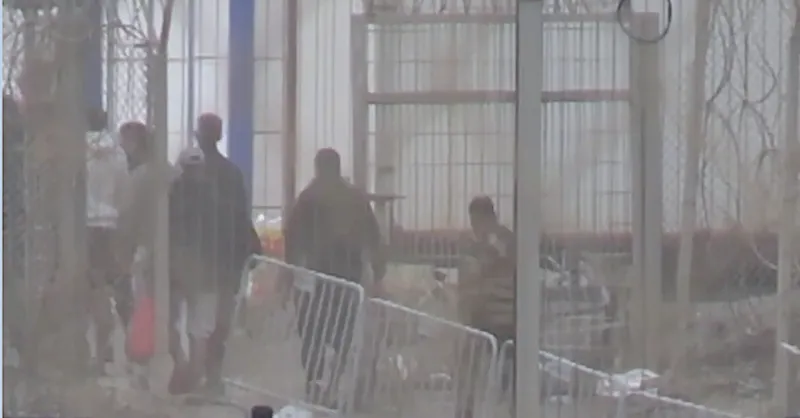

The recent anticipated mass crossing into the Spanish exclave of Ceuta did not materialize, yet the local population and aid workers are increasingly frustrated. Many feel abandoned by both the local authorities and the Spanish central government, as issues surrounding the treatment of migrants remain unresolved. After around 72,000 migrants crossed from Morocco just two and a half weeks ago, rumors circulated online about a potential reopening of the border on August 15. In response, both Spain and Morocco significantly ramped up security measures along the border, with Morocco deploying dozens of police vehicles and officers, and Spain stationing armored transport vehicles at the crossing point.
Despite the heavy police and military presence, several hundred migrants reportedly attempted to make their way from the outskirts of the Moroccan border town of Fnideq towards the border. Footage showed dozens of individuals climbing a hill about one and a half kilometers from the border. Most of these refugees are believed to be from Sub-Saharan Africa and faced forceful deterrents, including helicopters and pepper spray, as they sought to make the crossing.
The chaotic scenes witnessed two weeks prior, when Ceuta was overwhelmed with migrants, were notably absent this past weekend. However, the challenges facing the residents of the peninsula are far from over. The media organization CORRECTIV has spoken to citizens, police officers, medical professionals, and representatives of aid organizations, as well as the refugees themselves, many of whom remain in the city. Due to fears of repercussions, few are willing to disclose their full names when sharing their stories.
Many locals express feelings of abandonment by the government. Questions regarding how to manage the remaining migrants in Ceuta linger, with disputes arising around hygiene conditions, healthcare, and safety. Josefa, an elderly woman residing in Ceuta, reflects on her family's concerns from the Spanish mainland, expressing her frustration with the government's inaction. "I believe they want to sort things out, but we don't see any evidence of it yet," she says, pointing out the stark contrast between the well-kept city center and the neglected outskirts.
During a visit to Ceuta, Spain's Minister of Health, Mónica García, faced public backlash as angry citizens gathered to confront her. One doctor, Yaumara Socarras, lamented that the minister only visited after the mass crossing, criticizing the government for not acting sooner. She described the cleanup efforts that had taken place in the city ahead of the minister’s visit, suggesting that the situation was being sanitized for political appearances.
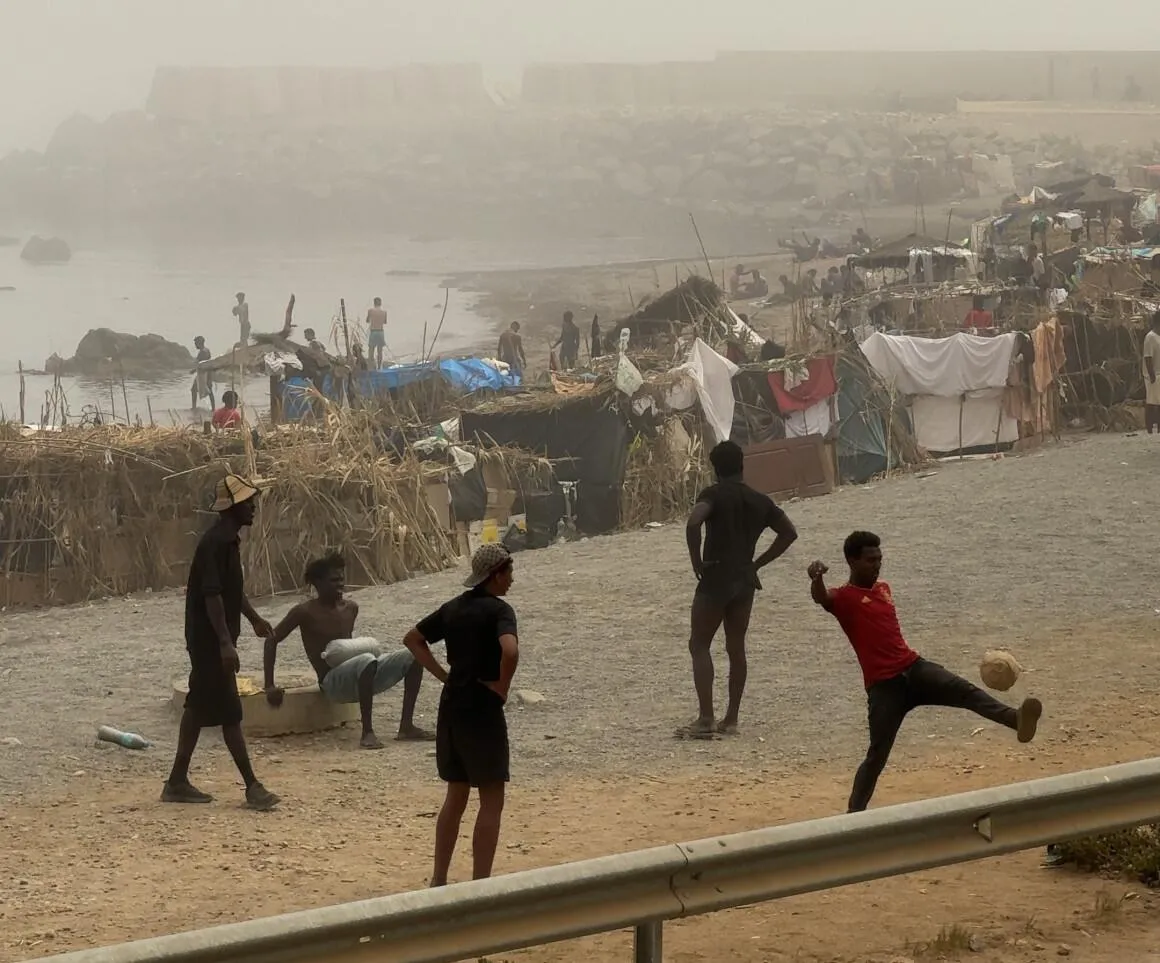
As concerns mount about a potential outbreak of diseases linked to overcrowding, medical professionals emphasize that the local healthcare system is overwhelmed. Minister García countered claims about the system's collapse, stating that while it is under pressure, it has not failed. Alvaro, who works in municipal cleaning services, estimates that at least 1,000 people currently reside at the Playa del Trampolin, many living in makeshift shelters or outdoors.
Among them is Mohammed Issa, a 20-year-old who fled conflict in Sudan and has yet to submit an asylum application. According to the Spanish Ministry of the Interior, most migrants from the recent influx have returned to Morocco, with thousands remaining in makeshift camps across the city. Local aid organizations criticize the lack of support from the municipal government, which has left non-profits to provide food, water, and shelter for those in need.
Even with a strong desire to help, tensions occasionally flare. The aid organization Media Luna Blanca was forced to relocate its food distribution site after complaints from neighbors, and a local community group providing shelter for unaccompanied minors had to change their location as well. Nadia, an elderly caregiver, noted the growing fears within the community, stating, "People are scared; too many have come this time." The pressing question remains how Spain will address the situation of the refugees currently in Ceuta, with a law change allowing the potential transfer of minors to the mainland for asylum applications, while adults are expected to be denied entry.
Ceuta has historically been a destination for refugees, albeit not at the scale witnessed this past July. A local police officer reflected on the overwhelming numbers, noting that while the situation is not new, the volume of migrants this time has surpassed previous instances. The officer expressed that the city, known for its solidarity, has reached its limits with the recent surge. Citizens continue to grapple with the aftermath of the mass crossing, revealing a community unprepared for such a significant influx of people.
As reported by web.de.