
Morocco and Israel Forge Historic Agreement to Elevate Diplomatic Relations
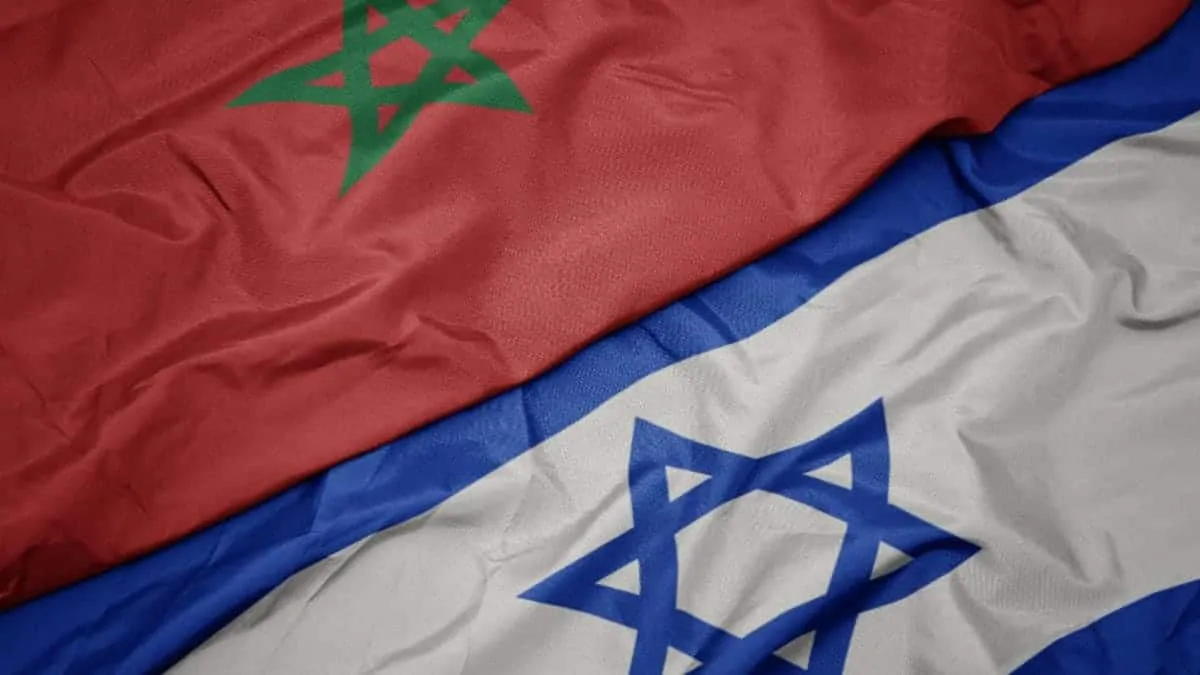
In a significant development, a trilateral meeting took place in New York on Thursday involving Morocco's Foreign Minister Nasser Bourita, his Israeli counterpart Gideon Sa’ar, and U.S. Ambassador to the United Nations Mike Waltz. This meeting culminated in the signing of a historic agreement that elevates the diplomatic relations between Morocco and Israel to new heights. The agreement comes as the two nations seek to enhance their collaboration, especially in light of the ongoing crisis between Spain and Morocco concerning the invasion of Ceuta.
During the meeting, which coincided with the sixth anniversary of the Abraham Accords and a joint declaration made in 2020, the parties agreed to elevate their diplomatic missions—previously limited to liaison offices—to the status of full embassies. This marks a significant milestone as it involves the exchange of ambassadors for the first time. Additionally, the agreement includes the restoration and expansion of direct flights between the two countries, with Moroccan airlines expected to be operational before the end of the year. The commitment to protect mutual investments and schedule high-level visits in the coming months further solidifies this burgeoning relationship.
The joint declaration reaffirmed the spirit of the Abraham Accords while notably reiterating U.S. and Israeli recognition of Morocco's sovereignty over Western Sahara and their support for Rabat's autonomy proposal, following a recent letter from Morocco that indicated Spain's withdrawal from the issue. This diplomatic move carries profound significance, especially amidst the escalating migration crisis in Ceuta, which began in late July when approximately 80,000 individuals crossed from Moroccan territory into the Spanish autonomous city. This crisis has resulted in heightened political and diplomatic tensions between Madrid and Rabat, with Moroccan officials asserting claims of sovereignty over Ceuta and Melilla, and the Spanish government facing criticism for its handling of the situation.
In this tense atmosphere, the New York agreement not only strengthens Morocco's alliance with the United States and Israel but also illustrates that Rabat possesses substantial international support beyond the European Union and Spain. The reaffirmation of U.S. and Israeli recognition of Moroccan sovereignty over Western Sahara serves as a stark reminder to the Spanish government, reinforcing Morocco's territorial position while tensions with Spain remain unresolved.
The timing and content of this meeting reflect a broader strategy of alliances that has been cultivated over the years. In diplomacy, timing is often critical, and the implications of this agreement could have far-reaching effects on the geopolitical landscape in the region.
As reported by okdiario.com.