
Morocco Witnesses a Milestone in Governance with Female Leadership
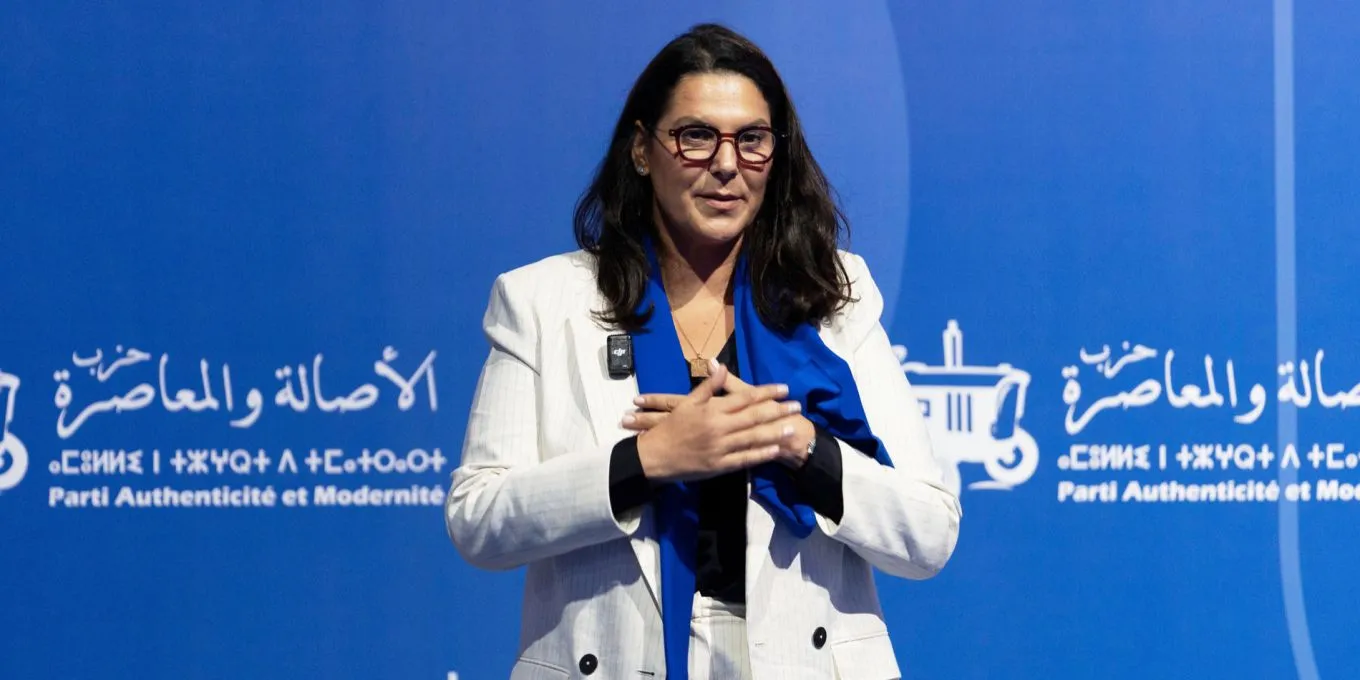
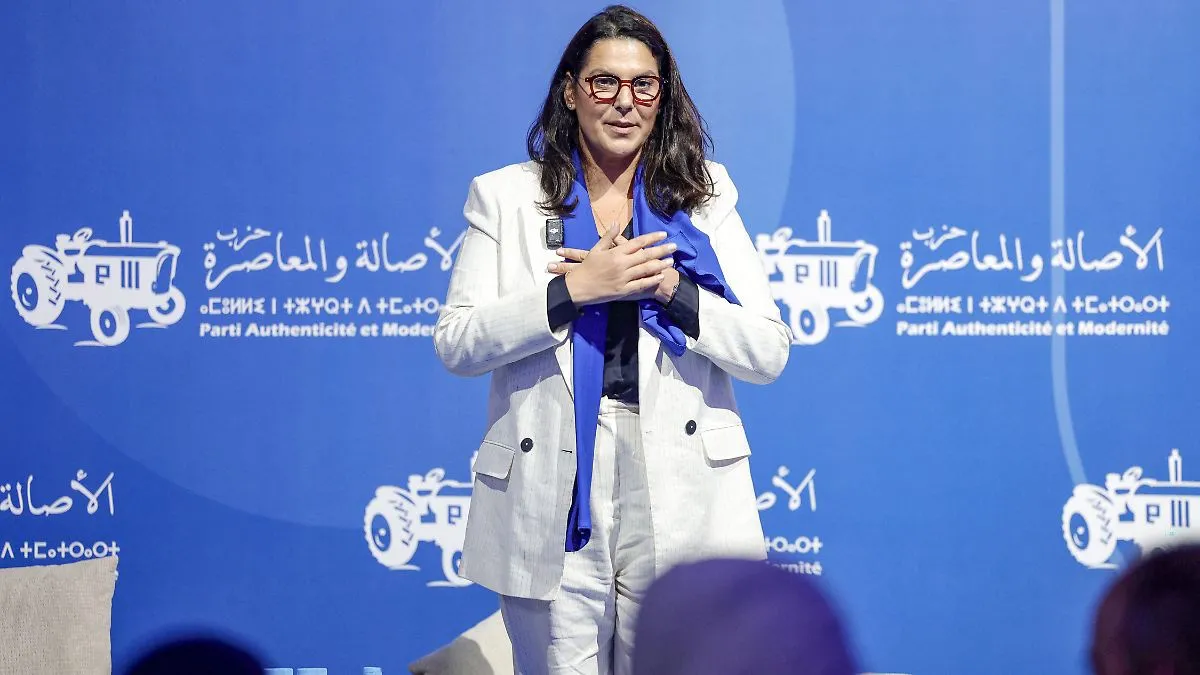
In a groundbreaking development for Morocco, Fatima Ezzahra El Mansouri, the mayor of Marrakech, has been appointed as the country’s first female Prime Minister by King Mohammed VI. This historic decision not only marks a significant step forward for gender equality in Moroccan politics but also places a seasoned legal professional and former Minister of Housing at the helm of the North African nation. The announcement was made public following a formal audience between the King and El Mansouri at the royal palace, where she received the mandate to form a new government.
The recent parliamentary elections saw El Mansouri’s party, the Authenticity and Modernity Party (PAM), achieve a resounding victory, securing 97 out of 395 seats in the new parliament. This victory positions PAM as the leading party, thereby traditionally granting them the right to nominate the Prime Minister. The previous ruling party, the National Rally of Independents (RNI), led by former Prime Minister Aziz Akhannouch, was relegated to second place with only 66 seats, closely followed by the Istiqlal Party, which won 65 seats. Despite having initially ruled out further collaboration with RNI during the campaign, El Mansouri has recently expressed a willingness to negotiate, stating that there are no 'red lines' in coalition discussions.
Challenges Ahead for the New Administration
While the PAM's electoral success is noteworthy, El Mansouri faces the formidable task of forming a coalition government, especially given that her party does not command a majority in parliament. The new administration must contend with pressing issues such as soaring living costs and high youth unemployment, which have contributed to widespread dissatisfaction among the populace, particularly among younger demographics. This unrest was highlighted by a significant surge of migrants attempting to cross into Spain’s Ceuta enclave and tragic protests earlier this year. Additionally, El Mansouri will need to oversee the final phases of preparations for the 2030 FIFA World Cup, which Morocco will co-host with Spain and Portugal, a project estimated to cost around $20 billion.
The recent voter turnout, recorded at a low 38%, reflects a troubling trend in political engagement, with this being the lowest participation rate in two decades. During her campaign, El Mansouri promised to restore hope to the youth of Morocco, a demographic that has increasingly felt disillusioned with the political process. The PAM, established in 2008 by a royal advisor, positions itself as a secular alternative to the Islamist Justice and Development Party (PJD), which secured only 54 seats and has announced its intention to remain in opposition.
As reported by n-tv.de.