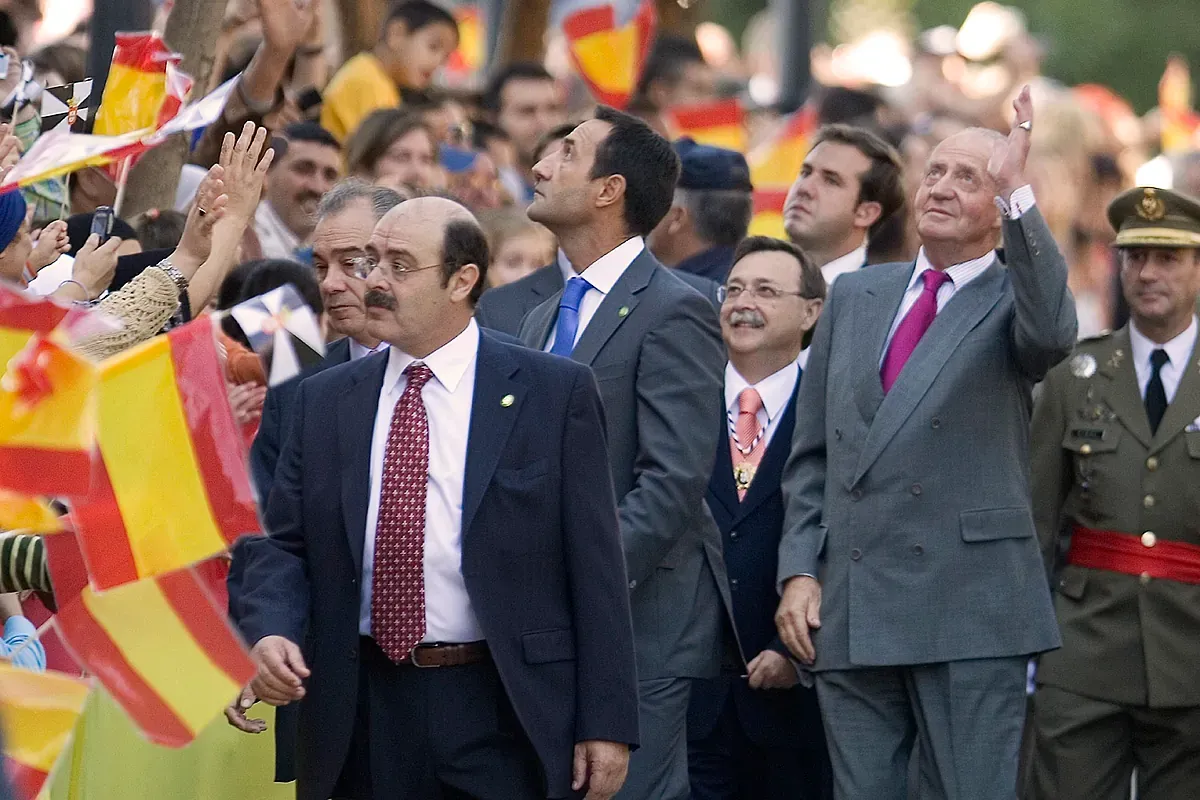

On November 6, 2007, the streets of the Spanish autonomous cities of Ceuta and Melilla were awash with the colors of the national flag as citizens gathered to welcome King Juan Carlos I and Queen Sofia. The excitement surrounding their visit led to the suspension of classes and reduced working hours for government employees and merchants, allowing nearly a third of the local population to participate in the festivities. Miguel Marín, then and now a councilor for the Melilla government, recalled the unprecedented turnout, stating, "I believe we have never seen such a reception for their Majesties in a city with so many citizens present." This visit is particularly noteworthy as it sets a historical precedent for the upcoming visit of King Felipe VI, marking a significant moment in the democratic history of Spain.
The visit by King Felipe VI to these strategically important cities comes with a complex backdrop. With Morocco questioning the sovereignty of Ceuta and Melilla, the royal visit is laden with political implications. Marín emphasized the lack of fear regarding potential repercussions during the visit's preparations, highlighting that it was the Spanish Foreign Ministry that was responsible for assessing Morocco's possible reactions. Bernardino León, the former Secretary of State for Foreign Affairs, recounted the careful diplomatic considerations made in anticipation of the visit, noting that communication with Moroccan officials was essential to prevent conflicts and manage complex situations effectively.
Despite the meticulous planning, a diplomatic crisis erupted shortly after the announcement of the royal visit, with Rabat expressing strong disapproval and labeling the initiative as a "lamentable provocation." The Moroccan government escalated tensions by recalling its ambassador from Spain just hours before the royal couple's arrival. Fast forward 19 years, and while Morocco's response to Felipe VI's visit has been more subdued, King Mohammed VI recently emphasized that the relationship with Spain should not be subject to pressures or threats, indicating a cautious approach to diplomatic relations.
Beyond diplomatic tensions, the visit of Juan Carlos I in 2007 also stirred some local dissent, with reports of protests organized by residents of nearby Moroccan towns. However, these reactions were relatively minor and did not escalate into significant conflict. León noted that both countries aimed to keep any protests within a diplomatic context, ensuring they did not disrupt the broader relationship. In the aftermath of the visit, Morocco adopted a more conciliatory tone, reflecting the complexities of their diplomatic ties.
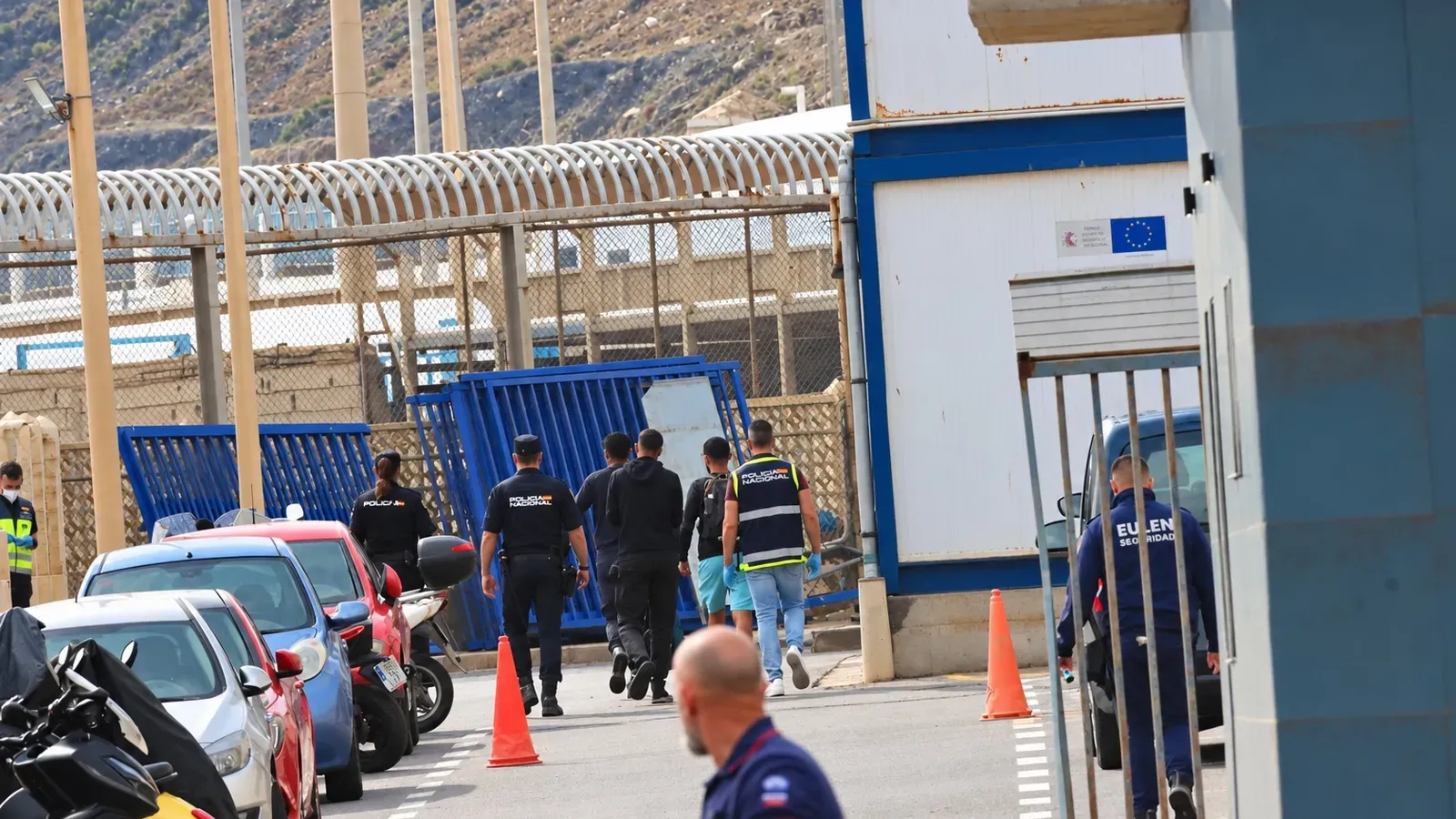
For Miguel Marín, the visit of Juan Carlos I marked a turning point, reinforcing the undeniable Spanish identity of the region. He expressed hope that Felipe VI's visit would serve as another source of encouragement for the citizens of Ceuta and Melilla, especially in light of recent challenges following a surge of migration that Prime Minister Pedro Sánchez described as an "attack" on Spain's territorial integrity. The timing of Felipe VI's visit coincides with the 32nd anniversary of the Green March in Western Sahara, further emphasizing the significance of this royal journey as Spain navigates shifting geopolitical dynamics in the region.
As reported by elmundo.es.