Summer 2026: A New Era of Air Traffic at Moroccan Airports
The summer season of 2026 has marked a significant milestone for Morocco's aviation sector, highlighting an unprecedented surge in air traffic across several key airports in the Kingdom. Driven by the increasing appeal of the country as a travel destination and enhanced international connectivity, Moroccan airports have experienced record-breaking passenger numbers, underscoring a structural growth trajectory in the aviation sector.
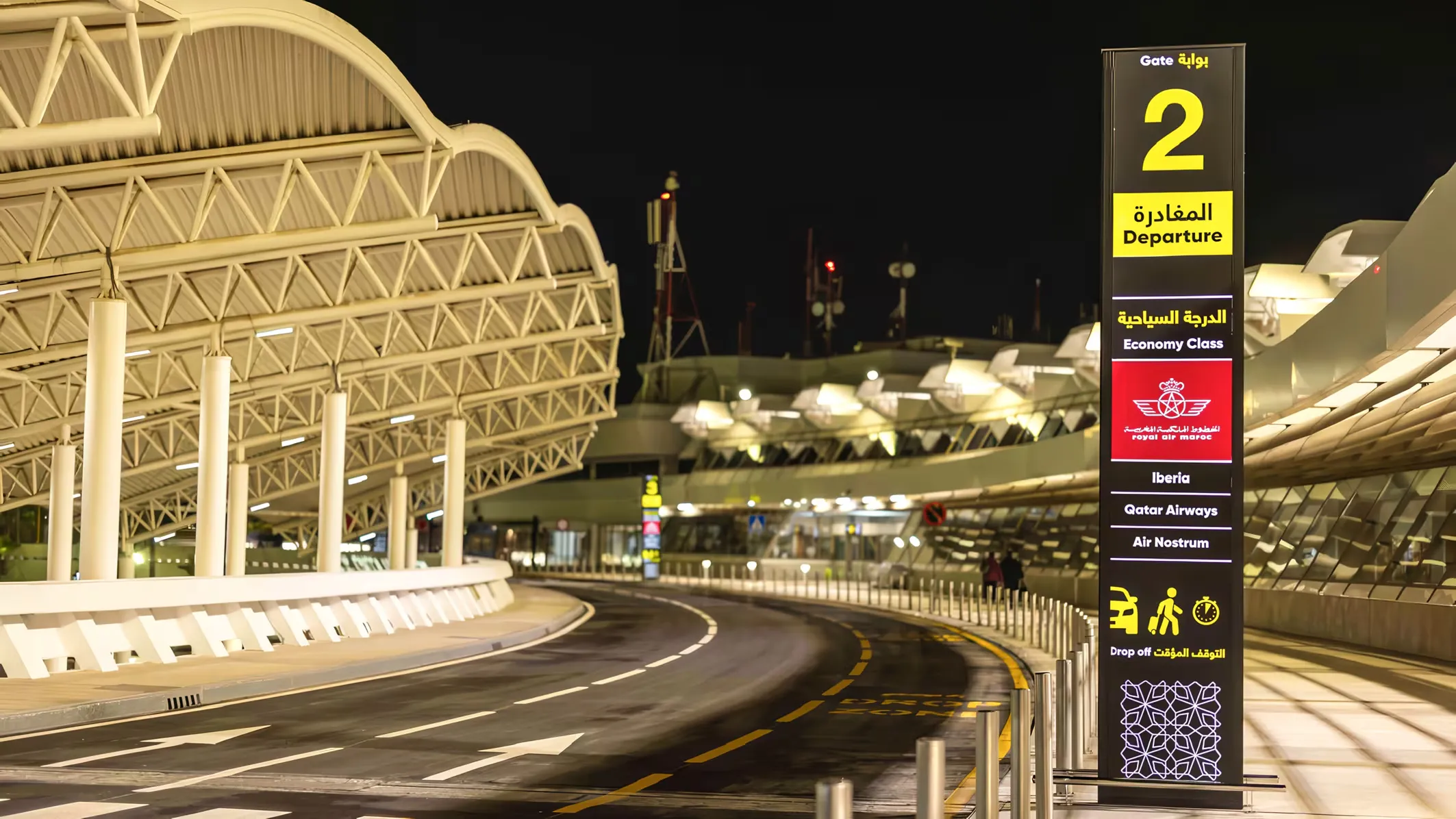
One of the standout moments was witnessed at Casablanca Mohammed V Airport, which recorded a staggering 46,439 passengers in a single day during the first weekend of August. This impressive figure is part of a broader trend observed throughout the airport network. Marrakech Menara Airport surpassed the 30,000 passenger mark in one day, while Rabat-Salé welcomed 9,226 passengers on a peak day. Additionally, Agadir Al Massira received 11,973 passengers during its busiest moments, and Tanger Ibn Battouta recorded 13,309 passengers. Notably, the most significant growth was seen in Dakhla and Tétouan, with increases of 45.2% and 36.14% respectively during their peak days.
This surge in summer traffic is not merely a seasonal spike; it reflects a long-term growth pattern. After surpassing a historic threshold of 36.3 million passengers in 2025, the national air traffic is accelerating further, affirming the vital role of airports in Morocco's economic opening and attractiveness as a global destination.
To effectively manage this growing volume of travelers while maintaining operational quality, significant transformations are underway as part of the Airports 2030 strategy. This includes expanding capacity, modernizing infrastructure, digitizing services, and optimizing passenger flows to align with evolving consumer habits and prepare the network for future growth stages.
This remarkable performance is also attributed to the collaborative efforts of the entire airport ecosystem. Alongside Airports of Morocco, entities such as the Mohammed V Foundation for Solidarity, the National Security Directorate, the Customs and Indirect Tax Administration, the Royal Gendarmerie, and Royal Air Maroc are pooling their expertise and resources to support these peaks in passenger numbers.
Ultimately, Airports of Morocco is committed to transforming its operations to meet the demands of this new traffic scale. The ambition is to sustainably enhance network capabilities, accelerate air connectivity, and establish airport performance as a key factor in Morocco's international attractiveness.
As reported by fr.le360.ma.