Call for Investigation into the Demolition of a Historical Landmark
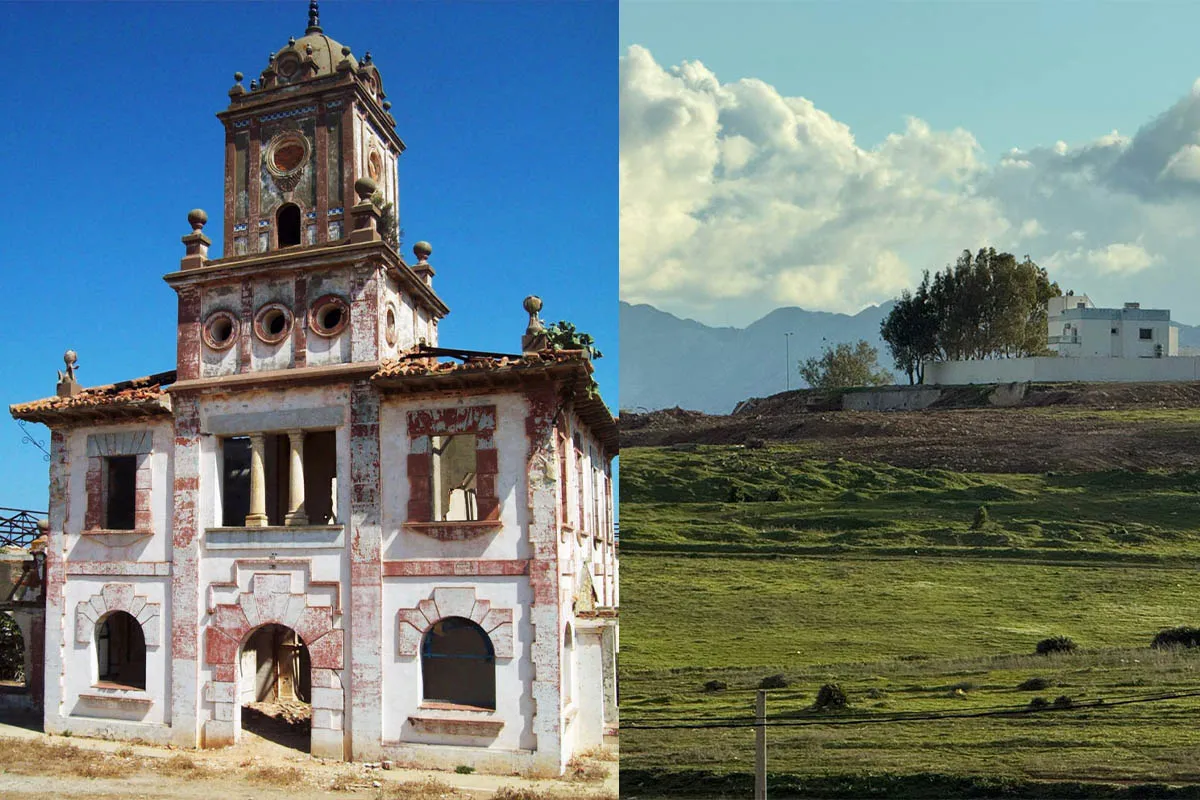
A prominent human rights organization has urged authorities to investigate the recent demolition of the Dar Riffien barracks, a significant historical emblem that once represented the Legion, prior to the relocation of the legionnaires to Ceuta. This historic site, located in Castillejos within the province of M’diq-Fnideq, has become a focal point of outrage and concern among human rights advocates and cultural circles, following its reduction to rubble, a fate that many believe disregards its profound symbolic value and the historical memory it embodied for the region.
In an official statement, the Moroccan Organization for Human Rights and the Fight Against Corruption expressed their "deep concern and great indignation" over the fate of this monument, which had stood for many years as a witness to a significant historical period. The organization emphasized that this was not merely an old building but an integral part of the shared historical memory between Morocco and Spain, given its ties to important historical events. They noted, "It was also considered a witness to the profound political and military transformations that the region has experienced."
Significance of the Dar Riffien Barracks and Demands for Action
The organization contended that the incident should not be reduced to a simple demolition of an old structure, but rather recognized as an attack on collective memory and a failure to protect and valorize national historical heritage. They described the situation as indicative of a broader neglect of the cultural and civilizational legacy that constitutes a significant part of national identity. Furthermore, they stressed that the preservation of historical monuments is not an optional endeavor but a legal and moral obligation that serves the public interest, considering the cultural and civilizational importance such heritage holds for both present and future generations.
The organization highlighted that the Dar Riffien barracks could have been rehabilitated through a responsible cultural development approach, potentially transforming it into a cultural space or historical museum that would help preserve the memory of the site and educate the public about the region's history. In their statement, they outlined several demands, including condemnation of the neglect this historical monument has faced, accountability from the relevant authorities for their failure to protect and maintain the site, and the initiation of a thorough and transparent investigation to clarify the circumstances surrounding the demolition and determine the appropriate legal and administrative responsibilities.
Moreover, the organization called for the establishment of a clear public policy regarding the protection of historical heritage in the region, focusing on inventory, classification, conservation, and enhancement of historical monuments to ensure the preservation of this cultural legacy for future generations.
As reported by elfarodeceuta.es.