
Engaging Discussions on International Law and the Sahrawi Cause
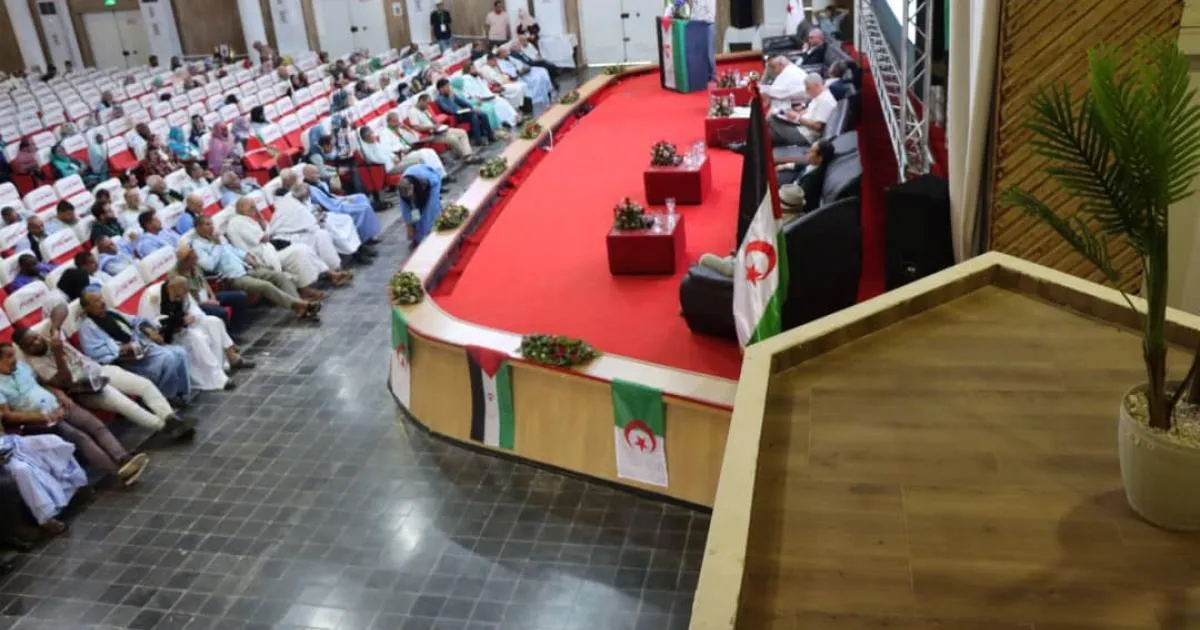
On August 15, 2026, the Summer University for Executives of the Polisario Front and the Sahrawi Republic in Boumerdes showcased a series of profound lectures and presentations led by eminent Sahrawi and Algerian speakers. These discussions revolved around pivotal themes such as international law, the evolving dynamics of the international system, and their consequential effects on global issues, with a particular focus on the Sahrawi cause.
The speakers delved into the current status of the Sahrawi cause, emphasizing the human rights situation within the occupied territories, the intricacies of crisis management, and the looming threats posed by transnational crime, thus painting a comprehensive picture of the challenges faced by the Sahrawi people.
Critical Perspectives on Global Dynamics and Human Rights Violations
The inaugural lecture was delivered by Dr. Sidi Mohamed Omar, a key member of the National Secretariat and the Polisario Front's permanent representative to the United Nations. Dr. Omar focused on significant developments concerning the Sahrawi national cause at the UN, underscoring the unwavering determination of the Sahrawi people to achieve their inalienable right to self-determination.
Professor Omar Ben Mohamed followed with an insightful presentation titled “Transformations in the Current International Situation and Their Impact on Decolonization in Western Sahara.” He articulated the prevailing uncertainties in the global landscape, characterized by a notable gap between international law and the realities of international practice. His discourse highlighted the troubling trend of pursuing peace through force, often at the expense of ethical considerations and adherence to international law, alongside a growing skepticism towards international institutions. Professor Ben Mohamed asserted that while the current international climate may prolong the quest for a solution, it cannot ultimately dictate the fate of the Sahrawi people, who remain steadfast in their pursuit of rights and self-determination.
Mr. Abdessalam Omar, President of the Association of Families of Sahrawi Prisoners and Missing Persons, delivered the third lecture, focusing on the dire human rights situation in Western Sahara, which he poignantly described as tragic. He connected numerous human rights violations to the overarching quest for self-determination, shedding light on the Moroccan authorities' settlement policies that have led to a significant increase in Moroccan settlers relative to the smaller Sahrawi population in occupied areas. Mr. Omar brought attention to serious issues, including enforced disappearances, extrajudicial killings, and the ongoing blockade preventing human rights organizations and international observers from accessing the territories. Furthermore, he discussed the plight of Sahrawi political prisoners within Moroccan prisons, emphasizing the documented efforts to expose and seek justice for crimes against the Sahrawi people.
The final lecture was presented by Dr. Bakri Nour Eddine, who addressed the critical issue of transnational organized crime, particularly within the Sahel region and its repercussions on neighboring countries. He called for enhanced cooperation and the formulation of effective strategies among these nations to combat the escalating phenomenon. Dr. Bakri also highlighted Morocco's tactics aimed at perpetuating the conflict, reinforcing the message that the Sahrawi people's enduring resistance and commitment to their rights will ultimately overcome attempts to undermine their established right to self-determination.
As reported by spsrasd.info.