
Moroccan Claims on Ceuta and Melilla Lack Historical Foundation
The importance of privacy and data consent is paramount in today’s digital landscape. With your consent, we and our partners utilize cookies and similar technologies to store, access, and process personal data, including your visits to our website, IP addresses, and cookie identifiers. Some partners do not seek your consent for data processing and rely on legitimate commercial interests. You can withdraw your consent or object to data processing based on legitimate interests at any time by clicking on 'Learn more' or referring to our website's privacy policy.
In a recent program titled **'La Tarde'**, hosted by **Israel Remuiñán**, the discussion revolved around the contentious statements made by Morocco's Justice Minister regarding Spain's autonomous cities of **Ceuta** and **Melilla**. Joined by international analyst **Amín Lejarza**, who specializes in Spanish-Moroccan relations, the conversation addressed the implications of these declarations and the need for a firmer diplomatic stance from Spain in light of Rabat's pressures.
Lejarza, broadcasting from **Melilla**, emphasized the necessity of being cautious about the narrative being constructed around these claims. He stated, "What we need to be particularly careful about is the post-truth aspect of this situation." The analyst pointed out that Morocco's historical claims lack substantiation, asserting that there is no factual basis for their assertions: "Historically, they know there is no history, no facts to really rely on." This statement calls into question the legitimacy of Morocco's claims over Ceuta and Melilla.
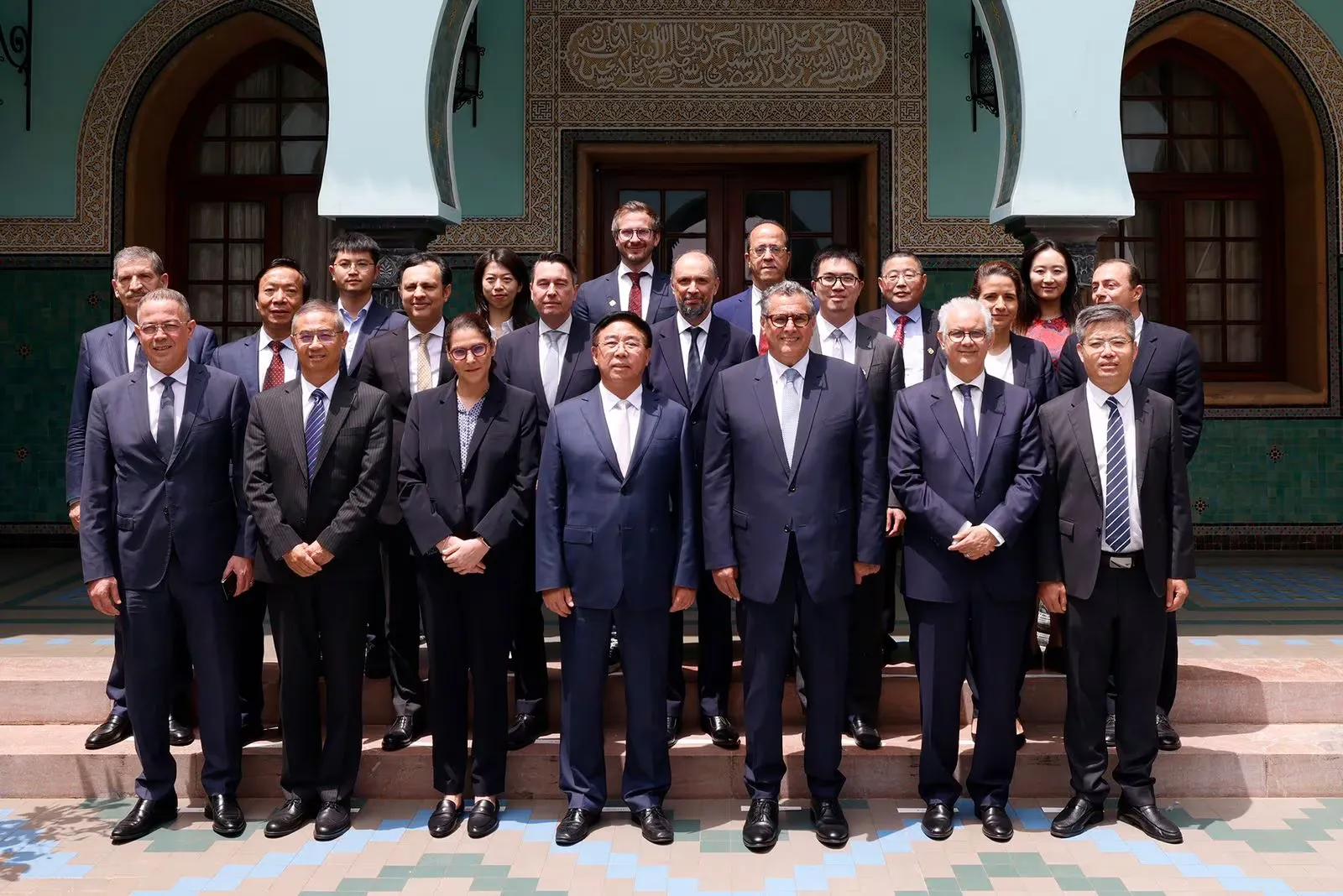
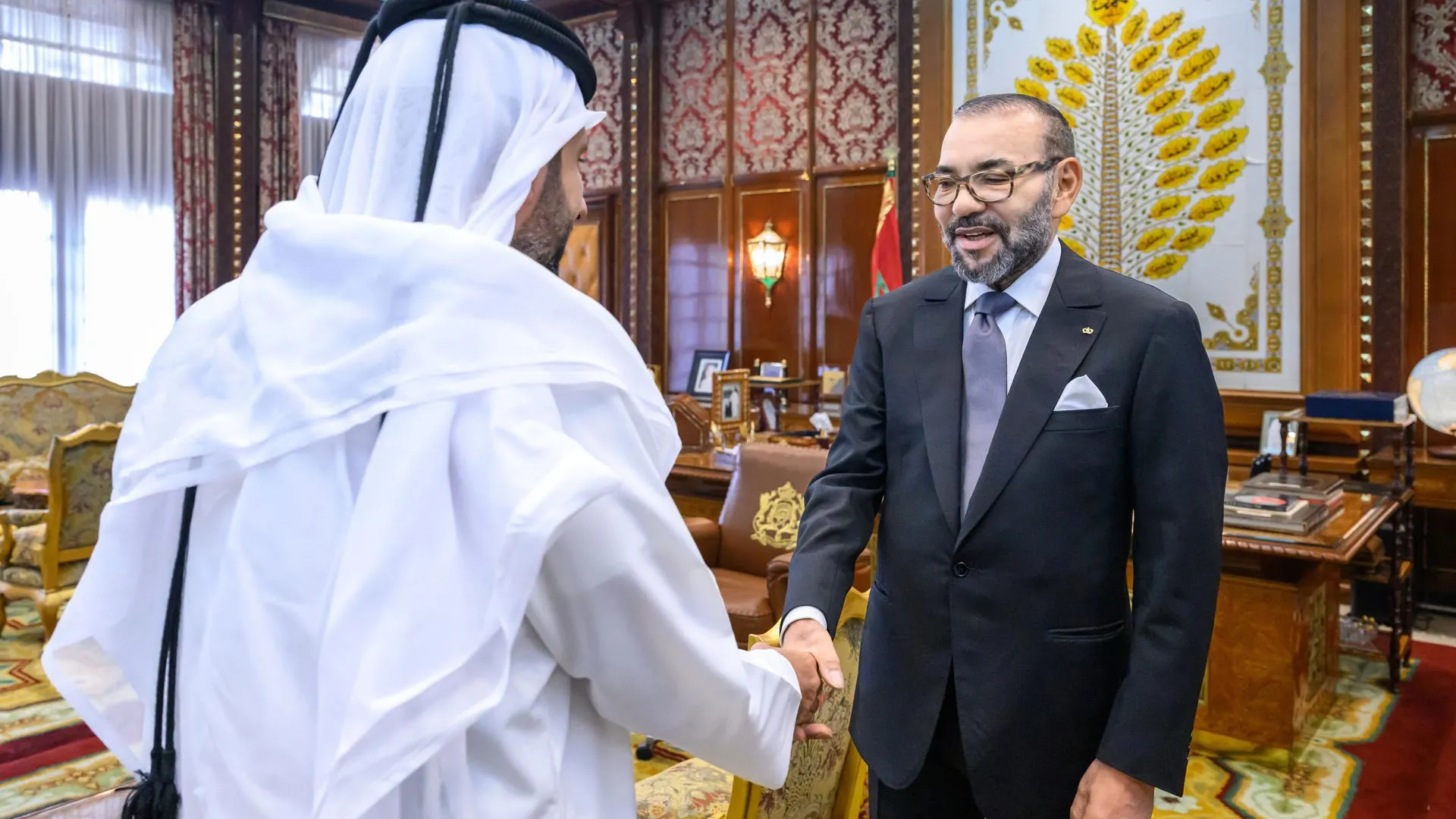
Furthermore, the internal discord within the Moroccan government was highlighted, with Lejarza noting that the presence of Justice Minister **Abdellatif Ouahbi** on various media platforms suggests internal fractures within the Moroccan cabinet. He contrasted Ouahbi's more assertive public demeanor with that of Foreign Minister **Nasser Bourita**, who adopts a more measured and strategic approach. This disparity indicates a lack of consensus within the Moroccan leadership on how to address the sensitive issue of Ceuta and Melilla.
In discussing the humanitarian crises at the borders, the analyst lamented the deteriorating humanity in responses to urgent issues, notably the challenges surrounding the repatriation of deceased individuals. He stressed that the response required from the Spanish government to Morocco's claims must be one of mutual firmness, stating, "We must have cooperation, not a relationship where there is blackmail involved." This perspective underscores the need for a relationship based on mutual respect and clear boundaries, rather than one marred by coercion or pressure.
As reported by cope.es.