
Israel and Morocco Upgrade Diplomatic Relations
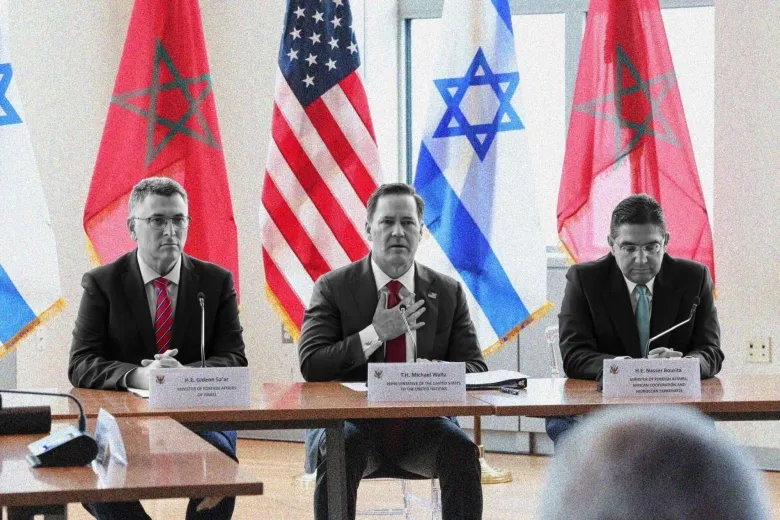
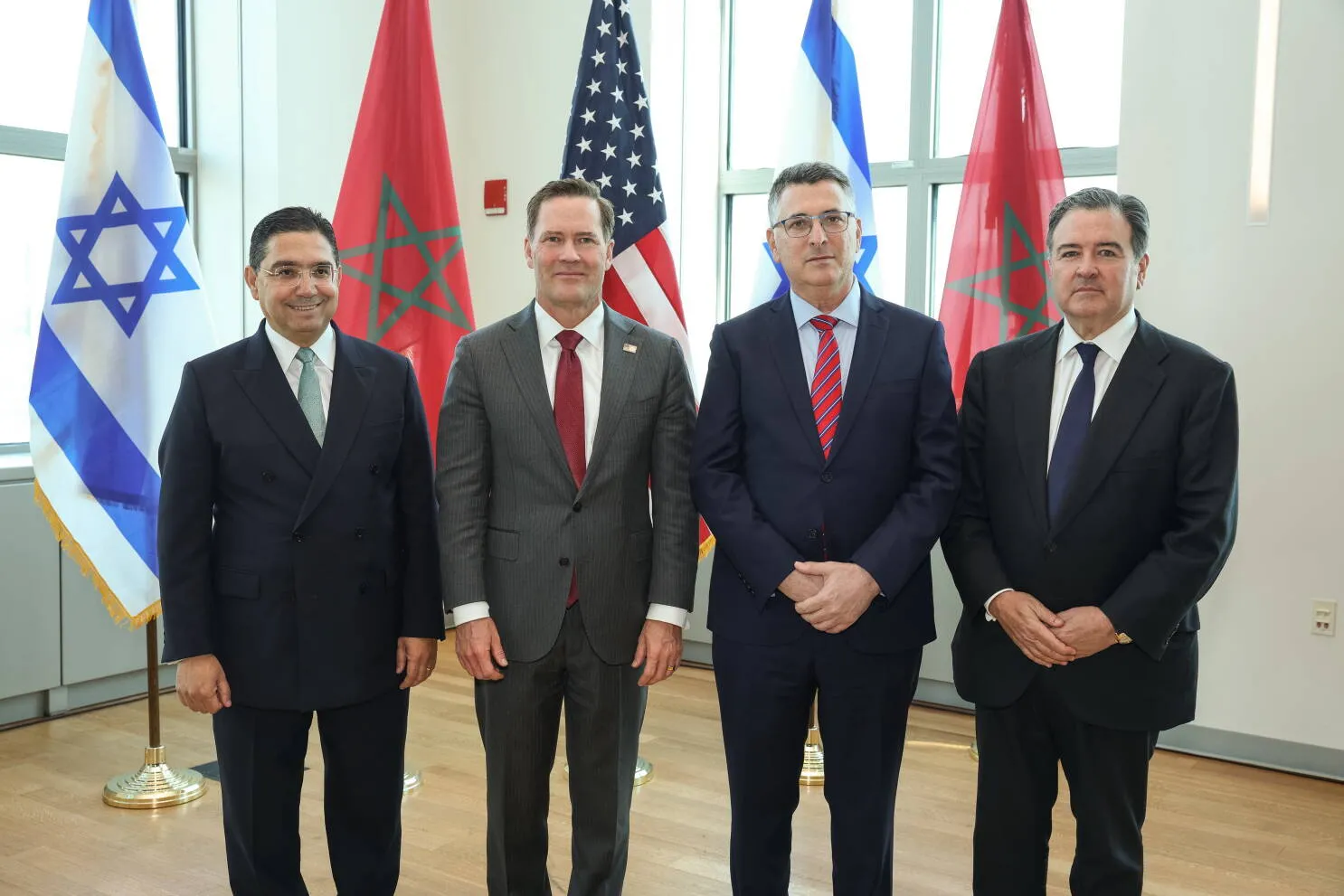
On September 16, 2026, a significant diplomatic summit was held in New York, where Israel and Morocco announced a remarkable upgrade in their diplomatic relations. Both nations have elevated their diplomatic missions to full-fledged embassies and appointed ambassadors, marking a pivotal moment in their bilateral ties. This summit, attended by U.S. Ambassador to the United Nations Mike Waltz, was conducted on the sidelines of the annual General Debate of the UN General Assembly. Israeli Foreign Minister Gideon Sa’ar and Moroccan Foreign Minister Nasser Bourita reiterated their commitment to enhancing bilateral relations through various initiatives aimed at fostering cooperation.
The meeting underscored the commitment of both countries to the principles outlined in the Abraham Accords, which have facilitated improved ties between Israel and several Arab states. David Aaronson, a visiting researcher at the Heritage Foundation and a former senior advisor during the signing of the Abraham Accords, commented on the significance of this high-level meeting, especially in such a delicate geopolitical environment. He highlighted that the collaboration among Morocco, the U.S., and Israel is a testament to the resilience of the Abraham Accords, honoring the legacies of influential leaders such as King Mohammed VI, former President Donald Trump, and Prime Minister Benjamin Netanyahu.
Key Agreements and Future Prospects
During the summit, Israel and Morocco agreed to formalize several critical agreements before the end of the year. These include measures for investment protection, prevention of double taxation, and the expansion of direct flights between the two nations, now featuring Moroccan airlines. Minister Sa’ar emphasized the practical steps outlined in the agreements, aimed at strengthening the ties between the two nations for the benefit of their respective peoples. He acknowledged the deep-rooted friendship between the Moroccan and Jewish communities, noting its rich historical context.
Trade between Israel and Morocco has seen a significant surge, with a 70% increase recorded in the first half of 2026. This growth has coincided with the restoration of direct flights, a development that has positively impacted tourism and economic relations. Aaronson elaborated on the historical context of Jewish life in Morocco, which spans nearly two millennia. He pointed out that Morocco’s constitution recognizes the country’s Hebrew roots, and the presence of nearly a million individuals of Moroccan descent in Israel highlights the enduring connection between the two nations.
One of the pivotal factors contributing to this strengthened relationship was Prime Minister Netanyahu's decision in July 2023 to recognize Morocco's sovereignty over Western Sahara. This bold move is seen as a strategic investment in the bilateral relationship that is yielding significant benefits. Morocco asserts that Western Sahara is historically part of its territory; however, this claim is contested by the Polisario Front, which advocates for the region's independence.
Morocco was the fourth Muslim country to join the Abraham Accords, following the signing of a joint declaration with the U.S. and Israel in December 2020. The recent summit also marked the first gathering of the Abraham Accords countries in over three and a half years, featuring discussions that included representatives from Israel, the United Arab Emirates, Bahrain, Morocco, and Kazakhstan, which participated for the first time in such discussions.
In a broader context, experts believe that the agreements between Israel and Morocco are built on a more solid foundation compared to agreements with Egypt and Jordan, where normalization has not been fully realized. Senior researcher Mordechai Kedar noted that Morocco's legitimate monarchy plays a crucial role in facilitating these agreements, despite some internal opposition from Islamic circles. He expressed optimism for the future of the Abraham Accords, emphasizing their potential to thrive as long as they serve the interests of both parties.
Looking ahead, Kedar expressed hope that Saudi Arabia might eventually join the Abraham Accords, particularly as pressures from the U.S. and regional security concerns continue to mount. He emphasized that Israel should not have to concede anything for such an alliance to materialize.
As reported by jns.org.