
Italy's Foreign Minister Addresses Migration Challenges
In a significant statement, Italian Foreign Minister Antonio Tajani has placed the onus of the ongoing issues related to illegal immigration and security threats facing Spain and the broader European Union squarely on Morocco. Tajani has urged Madrid to shift its focus toward addressing Morocco as the origin of these crises, rather than concentrating solely on the measures that Italy is implementing at its own borders. In an interview with the Italian newspaper 'Corriere della Sera,' the Minister emphasized Italy's stance regarding the suspension of certain Schengen arrangements with Spain, asserting that Italy is not engaged in any 'battles' against Madrid. Instead, it is conducting necessary checks on travelers and entrants to ensure safety.
Tajani articulated that the border measures Italy has put in place are intended to safeguard all nations and prevent not just illegal immigrants but also potential terrorists from gaining access to Europe. He reiterated that Italy has previously rejected or detained individuals who failed to meet entry requirements to its territory. With regard to the possibility of continuing the suspension of freedom of movement arrangements with Spain, Tajani has left the door open for a potential reversal, stating that Rome will evaluate whether the alerts are based on legitimate concerns before making any decisions. This statement comes in light of fears of renewed mass entry attempts into the Spanish city of Ceuta over the weekend.
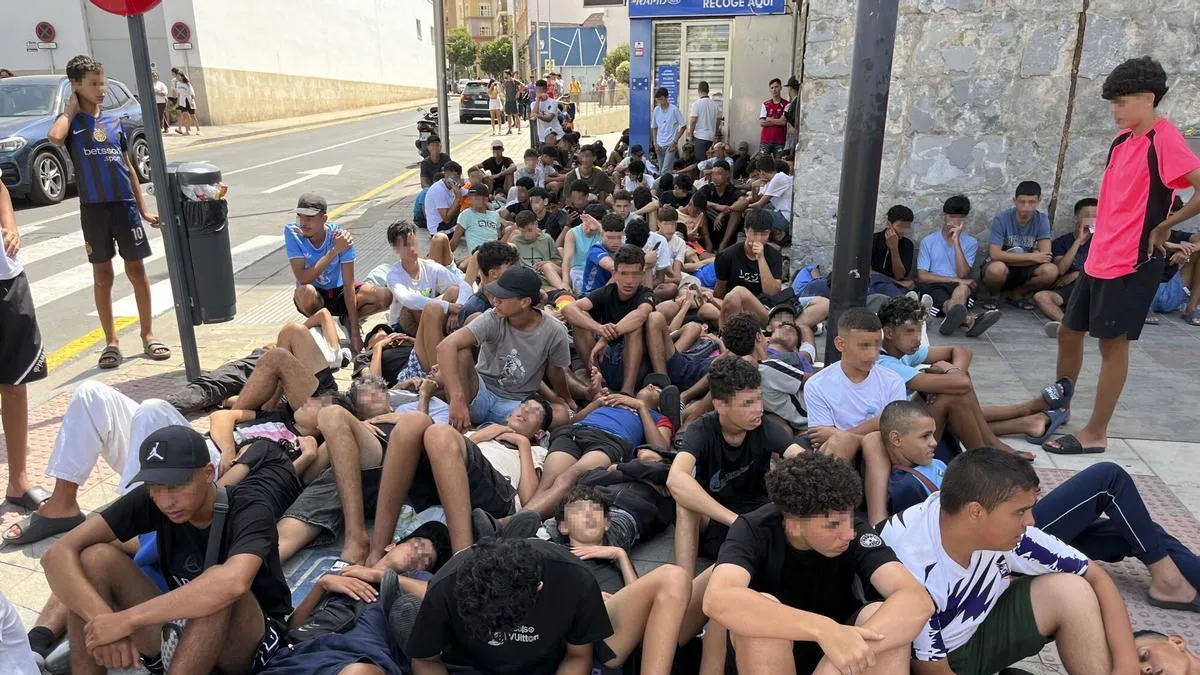
The remarks from the Italian minister come amid rising European concerns regarding the implications of a mass migration wave originating from Moroccan shores towards the Spanish city of Ceuta. Since the end of July, more than 72,000 individuals, including over 2,000 minors, have reportedly arrived, placing unprecedented pressure on the city's capacity and Spanish authorities. This situation has sparked intense criticism of Morocco’s role in exacerbating the crisis, with accusations that Rabat is using the migration issue as a political leverage tool against Spain in the context of their bilateral relations and ongoing disputes.
Importantly, Tajani's comments hold considerable weight as they emerge from a member state of the European Union, highlighting not just the direct Spanish-Moroccan dispute but also the broader security and migration repercussions for other European nations, particularly in Southern Europe, which serve as key transit points to the European space.
As reported by spsrasd.info.